









































































How Technology is Changing the Healthcare Industry
Life in the digital age moves incredibly swiftly, and the advances of technology have vastly improved every industry today. In the healthcare industry, technology is doing more than revolutionizing the provider experience or streamline hospital practices. It is being applied to every aspect of the medical field to improve patient outcomes both in and out of the office, resulting in better patient prognosis, accurate diagnoses, more effective treatments and better at-home wellness solutions than ever before.
From innovative software to lifesaving screening technology, let’s take a look at some of the significant ways technology is changing the healthcare landscape.
Natural Solutions
When thinking of technology and medicine, nature-based medicine isn’t the first thing to crop up, but innovations in research and discovery have uncovered that more wellness options can be found in the natural world than was known previously. Technological advancements have given patients access to several paths to wellness, including better physical therapy, better formulated wellness products like CBD oil and greater understanding on how to boost immune functions naturally.
Plant-Based Medicine
Long before today’s healthcare modernizations, plant-based medicine was the beginning and end of healthcare. For centuries, especially in Eastern cultures, even primordial medical professionals carefully studied the healing power of nature, creating life-saving medications by harnessing the power of mother nature. Plants have long been used to prevent food spoilage, relieve pain, soothe digestive issues, boost energy and improve sleep.
Aspirin, codeine, morphine, camphor, menthol and ephedrine are all modern, medicinal substances that have been discovered by studying the medicinal power of plants. As scientific research and methodology has improved, researchers are more capable than ever at studying plant matter at a cellular level and isolating medicinal compounds, creating new and effective drugs and medicines.
The surge of natural alternatives like CBD products, formulated using one of hundreds of chemicals found in cannabis plants, is the direct result of modern medical research efforts to better isolate medicinal compounds and subsequently study the way the body both absorbs and reacts to them. Because of the increase in accurate research, the demand for natural solutions is higher than ever as humankind moves toward better understanding the side effects and long-term impact of synthetic, man-made medicines.
Physiology
Modern technology has made it easier to uncover the hidden processes that have worked for centuries to sustain life for humankind. Progress in the field of imaging helps providers to better diagnose and treat conditions earlier and more effectively. Brain imaging technology, for example, has seen improvements that have made fMRIs more accessible and detailed in mapping neural processes like decision-making, emotional regulation and functional abnormalities.
Advances in imaging technology have done more than just help to better discover and diagnose illness. Technological improvements have enhanced the way doctors approach wellness by exploring and identifying the ways the body functions and functions well. Research has revealed better ways to lose weight, to fall and stay asleep or to exercise more efficiently. Now, more than ever, humankind has a surer knowledge of what airborne chemicals are the cause of cell mutations, and what antioxidant chemicals can help to reverse free-radical damage.
Better body imaging has provided improved ways to rehabilitate injuries and illness, too. Recovery times have improved globally with better, more efficient therapy techniques. Healing procedures like surgery, rehabilitation and outpatient practices have also improved as research continues to narrow down the body’s delicate operations, abandoning widespread treatments in favor of finely tuning treatment to the body’s most relevant components involved in any condition.
Biological Therapy
The body’s incredible ability to fight off viruses, heal wounds and regenerate on a cellular level has never been more clear. Research has long sought to uncover the various processes that aid the body in healing itself, and with today’s technology, doctors have been turning to treatments that boost those processes. Rather than focus on introducing medications and treatments designed to fight off invading pathogens, immunotherapy introduces medications and treatments aimed at boosting the body’s immune system, making it easier for your body to do the work itself.
Immunotherapy has been growing in popularity when treating difficult illnesses like cancer and autoimmune disorders. This treatment uses white blood cells and lymph tissue to build up the illness-fighting armies in the body’s systems. With more good cells in the body, it’s able to both better identify abnormal cells and viruses as well as use the added forces to contain and destroy them, fighting for the body’s health.
Biological therapy is made possible by innovations in laboratory technology. In the lab, medical scientists work to isolate antibodies and place them in solutions that can be injected, taken orally or administered intravenously. Emerging technology revealed ways to make these substances as bioavailable as possible, so patient benefit is at the forefront of the therapy.
Telehealth
Getting in touch with a loved one near or far is only a few taps away, and so is a medical provider. Medical care accessibility issues like lengthy wait times, distant specialist’s offices, caregiver availability and unavailability of childcare for appointments have all found a solution in digitized medicine, allowing patients and providers more access to one another through virtual medicine.
Virtual Visits
For many medical conditions or medication check-ups for which an in-office visit is unnecessary, doctors have been opting for telemedicine options like virtual office visits. Patients can speak with a medical professional from the comfort of their own home and receive diagnoses for several medical conditions, medication adjustments, specialist referrals and remain at home when exhibiting contagious symptoms.
Virtual visits are not appropriate for all conditions, however. Many conditions require a physical exam or lab testing. Fortunately, virtual visits can function as a preliminary discussion for conditions requiring further testing. Doctors can request various forms of testing from a local laboratory, and a patient can drop by to submit samples at their convenience. Doctors can also more frequently check in with patients who have chronic conditions, especially those who have trouble making it into the office due to physical limitations.
Moving everyday medical care to the digital realm has benefits that transcend accessibility. Virtual visits are often billed at a lower rate than in-office visits. Busy patients are far more likely to schedule appointments for conditions they otherwise would have put off. Because of the ease of use and reduction of financial burden, even relatively healthy people are experiencing peak health and wellness.
Patient Apps
Social media apps are everywhere, but the same technology that keeps the world informed about what’s happening in their social circles and beyond has wider, medical uses, too. Computer code is taking the medical field by storm. Various software programs have been designed to connect patients and providers, and many of those can be downloaded onto your phone or portable electronic device.
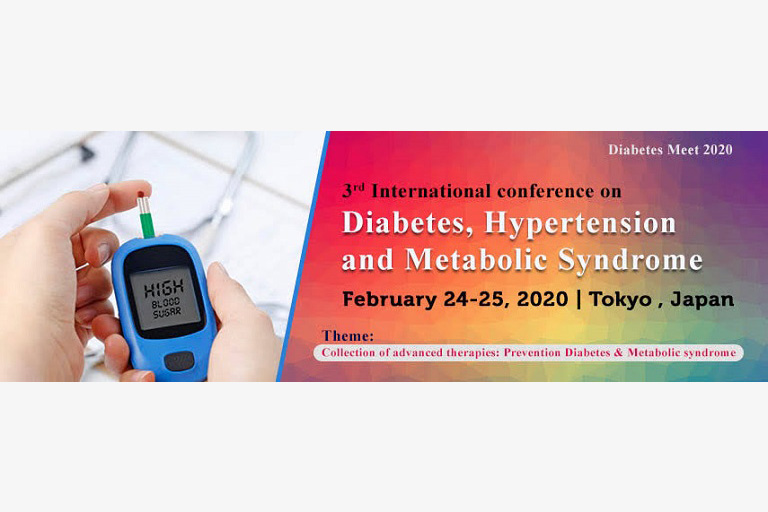
Medical conditions that require frequent data tracking can help patients track their symptoms and store vital statistical readings. A diabetic patient who must frequently check their blood glucose levels can store this information in an app to share with their provider at their next visit. Detailed data assists doctors in designing more effective treatment plans and helping patients get a clearer picture of their condition.
Medical apps can also prevent emergency situations by providing notifications to patients, caregivers and providers of any serious or clinically relevant changes in patient vitals. A patient with a dangerously low cardiac reading no longer needs to pay meticulous attention to other, less obvious symptoms that signal something is wrong. Quicker trips to the emergency room with accurate, trackable information goes a long way in saving lives.
Wearable Technology
Though medical alert bracelets were once the standard, they couldn’t tell medical professionals about the severity, current symptoms or history of a patient’s condition. With realtime tracking, patients and providers have access to active monitoring and a to-the-minute log of symptoms and vital data. Wearable medical technology has revolutionized the medical field so thoroughly that wearable tech like pedometers and heart rate monitors have become mainstream.
Wearable medical tracking technology has taken the form of smart watches and blood pressure monitors. Even those without chronic medical conditions can track their heart rate during a workout or monitor their pulse during stressful situations. Most of these devices are able to sync up to larger tracking apps, providing detailed histories of various readouts.
Biosensors designed to scan the body for changes can detect body temperature, movement and chemical changes. When a patient notes a significant change that requires medical intervention, they have accurate data that help providers move into treatment and skip some of the preliminary tests that have historically delayed care while waiting for results.
Artificial Intelligence
Robots have certainly entered the medical field, but other artificial intelligence applications are much more covert. Human cognition has accomplished amazing feats such uncovering the cause of many diseases, building machines to accurately diagnose conditions and analyzing complex medical data. Now, machines are stepping in to do it more quickly and accurately.
Learning Algorithms
In a field designed and executed by humans, there is bound to be error. To combat this, digital algorithms designed to minimize mistakes and streamline medical processes have entered the medical industry. Medical algorithms are designed to minimize provider guesswork and transfer information that can access databases made up of millions of pieces of relevant medical information. Algorithms can’t replace doctor diagnoses, but they’re providing invaluable help.
Computerized data enables providers to input patient symptoms or results into software programs and expedite their care. Many algorithms are capable of quickly assessing and identifying abnormal cells or classify readings by potential conditions. They can not only do this with speed, but with impressive accuracy. Algorithms have been created to anticipate or predict future symptoms, too. When every moment counts, advancements in technological accuracy can save lives.
Research Trials
Through simulations, medical researchers are turning to computers to run some tests. Accurate and detailed simulations of the heart, for example, can be used to predict the effects of certain drugs, chemicals or environmental conditions without using a human subject. Computerized simulations of the body have, in many cases, taken the place of live subjects.
Researchers are using simulations to explore global health issues by visualizing the spread of illness and predicting situations that would help or hinder transmission. Computers are far more capable of producing accurate transmission data, and have the ability to paint a clearer picture for medical professionals of the method of transmission or level of contagiousness that a specific virus or pathogen has. Measuring this potential enables doctors to anticipate an influx of patients at peak transmission times, allowing facilities to be better prepared for large-scale, quality care.
Electronic Records
Clipboards and filing boxes have gone and made way for digital record keeping. Digitized records are crucial in maintaining clear, accurate and detailed patient records that can be quickly accessed in critical situations. Both patients and providers can log in to a database and view all past conditions, frequency of symptoms and list of current and past medications. These records can even be transferred between providers, so patients who may forget a piece of their medical history when filling out a form can receive comprehensive care.
Emerging technology in electronic medical record keeping has utilized artificial intelligence to interpret a patient’s medical information and provide suggestions for optimal care. Doctors can manually enter information about a patient’s current medications or allergies and view potential interactions and risk factors for various forms of treatment, something formerly left vulnerable to human error.
Drug Creation
Computer programs can be used to synthesize compounds and test potential combinations without ever stepping foot in a lab. With accurate chemical information, researchers can experiment with different chemical combinations and develop new formulas based on accurate, detailed information about substances on a molecular level.
Drugs created by computers shave years off trial times. What once took five or more years to develop can be completed in under one month, enabling manufacturers to begin testing and release the drug to the marketplace much sooner. Many drug candidates may not have been otherwise discovered without the use of computer simulations, and with the accuracy of molecular information, the possibilities for healing compounds to be developed in the future are endless.
Conclusion
Technology has reshaped the medical field in incredible, valuable ways. With its innovations, patients are seeing less recurrence of symptoms, getting faster and better care and living healthier, longer lives. Technology has enabled patients to have a greater role in their own care, and with the provider experience becoming more patient-centric, people are receiving better, more personal medical care than ever before.
As technology advances, so will healthcare. Technological innovation, of course, can never fully take the place of personalized, human medical care. From bedside manner to patient counseling, heartfelt medical care isn’t possible by way of machines. It’s by utilizing technology to better care for people that the medical industry will truly thrive.


