


























For a long time, other industries have significantly incorporated technology in their operations which have brought positive fruits in their areas. The field of medicine seems to have stagnated for long, but all signs indicate a complete change in perspective. Things are expected to change with all manner of technology being put on the table to improve the healthcare landscape. 2018 is supposed to be characterized by various health discoveries some of which have been discussed below.
- Augmented Reality
This is an exciting medical technology that is expected to change the perception of various diseases. It is expected to assist individuals in understanding the diseases they are experiencing while at the same time informing of the alternative treatment procedures available in the industry. Surgeons will be able to use this advancement to understand the position of a tumor in the body before performing any surgery. Besides highlighting the symptoms of a particular ailment, augmented reality will assist physicians in visualizing, detecting, and treating multiple diseases.
- Telemedicine
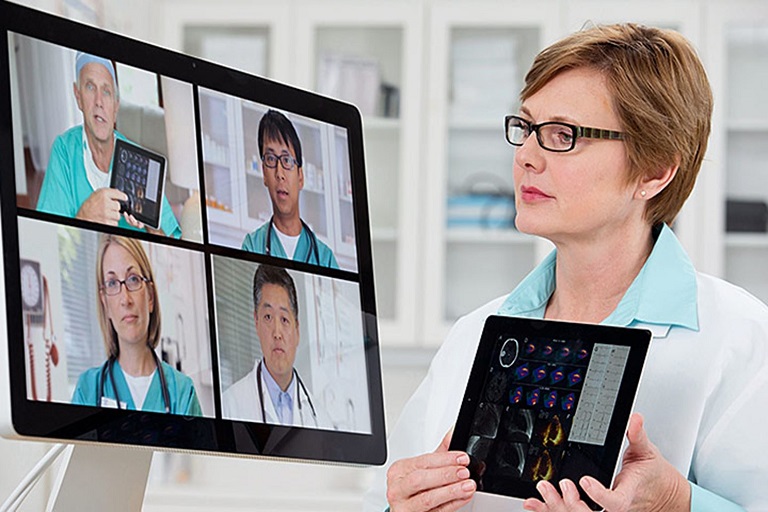
Sick people in the remote areas have not been accessing healthcare services because it is hard for them to reach to the nearest doctor or medical facility. Some of them stay with their symptoms leading to death, or the disease condition grows to unmanageable levels. Telemedicine is a medical technology that is expected to change the industry. For example, a patient can reach a doctor in the urban region and inform them of their conditions after which the physician will recommend the best treatment. For example, a doctor might advise doing natural treatments for hidradenitis suppurativa if he has been satisfied that the patient is experiencing the symptoms of this skin condition.
- Big Data in Healthcare
The field of medicine is known to hold large data than most of the industries in the world. From symptoms, diagnostic, treatment options, and follow-ups, there are significant data to be collected. The collection of data has been manual, which has been time-consuming and costly as it has required a substantial number of employees to do it. However, machine learning is expected to collect and analyze data in healthcare in 2018. This technology will collect and analyze extensive data within a short period thus helping the healthcare industry to tackle most of the problems immediately. It will also help in analysis and disease prediction which will enable physicians to develop alternative treatment options.
- Use of Drones
Although this has generated much controversy, use of drones in the healthcare industry is expected to take roots in 2018 and change the whole landscape, especially anything to do with emergencies. Medical emergencies such as accidents in remote areas, drones will be used in transporting medical equipment such as drugs and medicine and drop them in inaccessible areas where patients can get first aid before paramedics can arrive for specialized treatment. The only problem surrounding this innovation is that not many countries have around the operations of drones in their airspace.
- Hospital Robots
There is sufficient indication that robots will soon be incorporated in the healthcare industry to undertake various jobs that have for a long time been executed by humans. For example, rehabilitation procedures, data collection, storage, and retrieval, and accounting plus any other repetitive procedure within the premises of a hospital is expected to be undertaken by robots. Robots are being incorporated into the system with the argument that they are more efficient, reliable, accurate, and they can handle jobs for twenty-four hours in a day without resting while human beings can only work for eight hours. Developed countries are also experiencing an acute shortage of labor which makes them have no real option but to use robots in the healthcare.
All these advances are expected to make health care industry to be more accurate, efficient, and reduce cost while at the same time offering quality and quantity treatment to the increasing number of patients. Some diseases have evolved and are more complicated to handle unless they are monitored with advanced tools.


