


















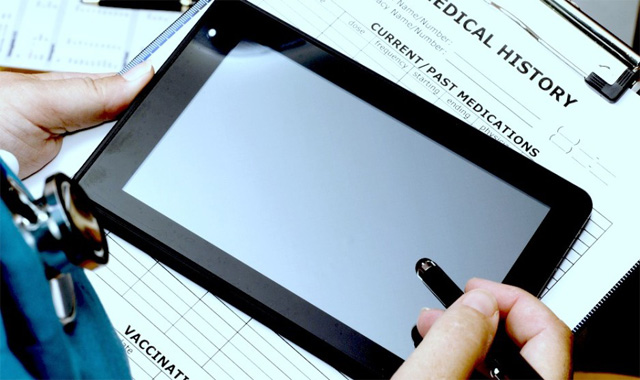

















In the past, a lot of paperwork was required for individuals working in the field of healthcare information management. Once electronic health records were implemented, the health information management field was completely reshaped. This created numerous exciting opportunities for the sector. As the individuals known as the baby boomers age, the need for health care services in the United States is projected to increase significantly. In turn, more professionals in the healthcare field will be needed. The prediction from the U.S Department of Labor is a growth for health information technicians of at least fifteen percent by 2024. This growth rate exceeds the majority of other occupations.
The health information managers and medical coders of today are working in a field consistently requiring more digital skills. Their specialized experience, expertise and knowledge must be integrated with the new technology. Medical coders of the future must be able to do more than understand the new coding technology and applications. They must understand how to ensure increased efficiency and accuracy by using these new tools like data aggregation technology.
The Responsibilities of a Medical Coder
The information regarding the symptoms and visits of a patient is transcribed by the medical coder including the medication and diagnosis. An electronic code is used to make it easy to store the information in the patient database for the hospital. Health insurance companies later use this information to reimburse healthcare related services. Coding professionals previously used a codebook manual for the translation and documentation of this material. The modern medical coder uses digital coding software. This has made the process easier because it has become streamlined.
The Importance of Encoders
Encoders are used to decrease the risks for human errors by improving the accuracy of the process and to ensure the job of the medical coding professional is easier. Medical codes are updated yearly and all codebooks are kept current. This ensures the patient’s visit is documented correctly. During the past, new codebooks were purchased each year. Encoders are now used and constantly updated with the most recent codes.
There are numerous different kinds of codebooks created to meet the exact needs of medical facilities and hospitals. Certain practices use the 3M Encoder, an inpatient encoder is often used by the larger hospitals while radiology departments and laboratories use assorted versions of the encoder. These encoders are used to encode patient visits, blood work, prescriptions, etc.,
The Changing World of Coders and Medical Billers
Despite the fact technology is important regarding the improvements made in the medical coding field, coders trained to understand and use the coding materials are also important. The encoders make identifying and researching the appropriate codes for certain procedures easier. The reasoning skills and knowledge of the coders are necessary for ensuring every medical transaction is reported accurately. If the encoder was not backed up by the codebook, the result could be expensive errors capable of harming the hospital or practice. The importance of the coder is in their extensive knowledge of terminology and procedures. This enables them to correctly document the healthcare service.
Becoming a Medical Coder
Numerous professional medical coders are obtaining either their CCA certification or degree. Certain medical coders pursue a bachelor’s degree in a related field. This enables them to qualify for more advanced career opportunities within their field. Many of the programs for coding specialists and insurance billing are placing their focus on making certain the graduates have the specific capabilities and skills they will need to perform their duties in health care facilities, physician’s offices and hospitals. These graduates will need a good understanding of physiology, anatomy and the different procedures and programs required for coding. This often includes full training regarding numerous encoders including the 3M encoder.


