





















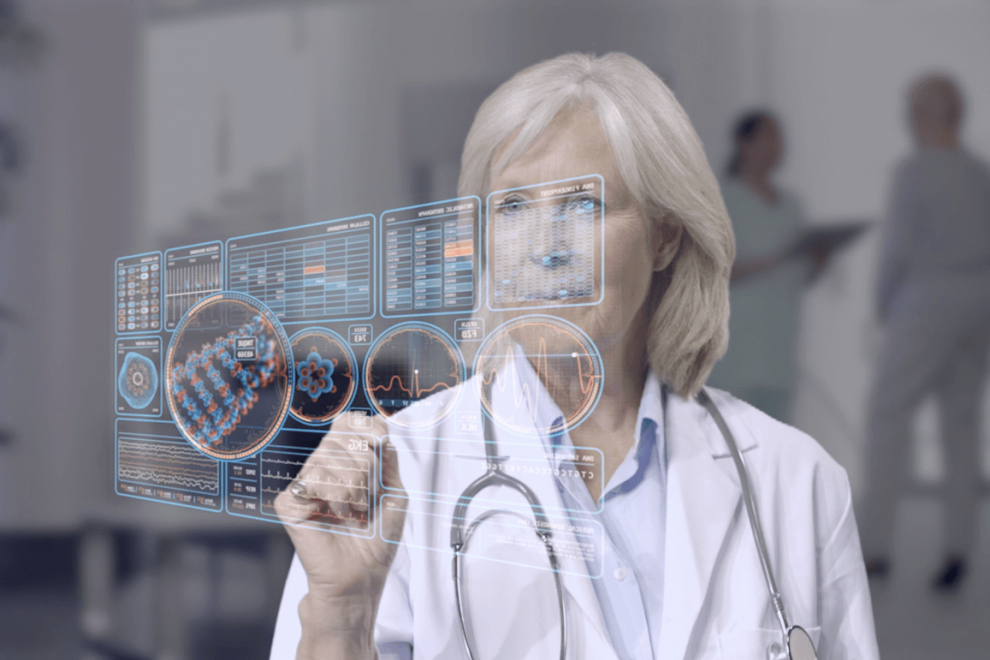
As is customary, a nurse at Hallym University Chuncheon Sacred Heart Hospital was studying the electronic medical record (EMR) screen at her nursing station. Abruptly, she became aware that a diabetic patient’s condition was not normal. The patient’s status was shown in red on one side of the screen, suggesting a significant likelihood of hypoglycemia. The nurse hurried to the hospital ward right away, gave the patient a snack, and informed his guardian that he might experience a hypoglycemic episode. The patient was able to prevent hypoglycemia shock after his blood sugar levels stabilized.
That’s what occurred at the hospital recently. It is an instance of a hospitalized patient’s risk being anticipated beforehand without the need for a visit from medical staff or for the patient or guardian to ask for assistance from medical staff.
An “AI prediction model” created by Hallym University Medical Center in 2019 and implemented in five of its hospitals made this possible. The AI prediction model is a system that determines the likelihood of 42 symptoms in real time, including delirium, diabetic complications, dysphagia, falls, and bedsores.
Although there have been a number of AI solutions recently launched into the medical area, the AI prediction model developed by Hallym University Medical Center has garnered attention due to its data and experience in the field. The reaction from patients and healthcare professionals following the implementation of the AI prediction model has surpassed expectations, according to Hallym University Medical Center.
In a recent interview with Korea Biomedical Review, Son Eun-jin, the director of the nursing department at Hallym University Chuncheon Sacred Heart Hospital, who is actively utilizing AI prediction models, made a similar evaluation and provided more details.
Son stated, “The need for an AI system (to predict patient conditions) was initially recognized by the nurses.”
The nurses at the connected hospitals were involved in the development of the Order Communication System (OCS) and EMR and provided feedback. AI prediction models were created as a result of their requests for additional capabilities as users utilized the systems.
“We thought, ‘what if we could predict the patient’s condition in advance and prepare for it,’ based on various patient indicators entered into the EMR,” Son remarked. “We began working on the AI prediction model in 2019 and released it to the field in 2020 when the objectives of the medical center and the demands of the field coincided.”
Ten years’ worth of patient data—including medical specialization, age, gender, day of visit, diagnosis code, and others—are used by the AI prediction model to learn using machine learning technology.
Following ongoing refinement in response to industry demands, the AI prediction model now forecasts 42 conditions, such as falls and pressure ulcers, dialysis patients’ arteriovenous fistula narrowing, phlebitis, complications from hypertension, diabetes, CRE-CPE, ER pressure ulcers, and delirium.
Koo Hyun-joo, the head nurse, gave a screen demonstration of the AI prediction model’s operation. Using the EMR system, she chooses a patient and displays the potential ailments along with their estimated rates. Additionally, nurses could view average prediction rates, learning variables, and the status of institutions that have implemented AI models for medical prediction.
So, do these projections contain any errors? Errors can be deadly in the healthcare industry, just like in any other, therefore prudence is crucial. The nurses on the ground, of course, knew this much better.
Director Son stated, “It wasn’t done perfectly the first time.” Although the nurses included as many learning factors as they could, there were occasionally restrictions (in the prediction rate).
Through consultation with the Information Management Bureau and reference to previously published overseas cases and documents, the medical center created them. The prediction algorithm now has an average prediction rate of 87 percent for 42 symptoms, she said, as a result of their efforts.
“Proactive measures effectively manage patients, allowing for preemptive responses.”
According to Son, the hospital has been able to anticipate and address patient condition irregularities since putting the AI prediction model into practice, preventing them from worsening and spreading into wider outbreaks.
Ninety-seven percent of nurses working in 108 wards reported being satisfied with the AI prediction model in an August study administered by Hallym University Gangnam Sacred Heart Hospital. “Being able to grasp the patient’s condition in real-time,” “customized patient management 24 hours a day, 365 days a year,” and “lower incidence of severe illness” were among the reasons given for their pleasure.
“Although it might appear like more work at first, we can see the patient’s condition in real-time and take proactive action based on the predicted rate,” Director Son stated. However, the medical staff must intervene if the patient’s condition deteriorates. Proactive action lessens the workload that might have otherwise been much greater.
During the recent medical crises, AI predictive models have also assisted in bridging some of the gaps.
“The nurses in the field are using AI prediction models (to partially replace it) to solve the patient’s problem according to the prediction rate or to notify the professors so they can act quickly,” Son stated. “A part of the trainee doctors’ job is screening.” “AI prediction models are really beneficial to us.”
“In terms of anticipating the patient’s condition in advance and managing it so that it doesn’t get worse, I think it can compensate for the gap of medical staff to some extent,” she added. “I believe it will also contribute to creating an atmosphere where physicians can concentrate on their education.”
When educated about predictive technologies like AI prediction models, patients and caregivers felt more at ease.
Son stated, “We alert their caregivers ahead of time to remind them to take a snack or inject glucose in consultation with their doctors for diabetic patients whose AI predicts that they are likely to experience hypoglycemia.” “If the prediction is high, we manage them more carefully, including suctioning more frequently,” the statement reads. “We also have an aspiration pneumonia prediction model.”
“Both patients and their guardians are relieved when we inform them that we are using AI prediction models in a proactive manner at the time of admission,” she said. In addition, patients ask me, “Why did you come here if you’re okay?” when I visit them to check on them after viewing the outcomes of AI prediction models. They are pleased to hear that I came because of AI prediction models.
Son underlined that she hopes other hospitals will adopt the AI prediction model developed by Hallym University Medical Center as an example of how nursing record data may improve patient safety.
Seventy to eighty percent of nurses’ time is spent in front of a computer. I want them to understand that the nursing records they complete each shift can be turned into high-quality information that can be utilized to improve patient safety. “Son said.” One example is the AI prediction model at Hallim University Medical Center. We’re hoping these cases will proliferate.


