





































How To Deal with An Amputated Leg
An amputation is a life-changing experience. Oftentimes, it is highly traumatic. For the amputee and their loved ones, it could be described as sleeping and waking up a different person. The process requires adjustment in both the physical, functional, and even emotional dimensions.
A leg amputation occurs when the leg is removed. The procedure may be done in cases of serious illness of the limb, accident, or surgery. It may be partial or whole. When whole, the process entails the removal of an entire leg limb.
On the other hand, when partial, only part of the leg is removed. An example of partial leg amputations is partial foot amputation, also known as transmetatarsal. Others are ankle disarticulation, below-knee (transtibial), knee-bearing, and above-knee (transfemoral).
It is important to note that cases of the procedure entail someone who initially had a limb losing it. Congenital limb deficiency (a condition where one is born without a limb) is not classified as amputation. Useful information can be read from this link https://www.mobilityprosthetics.com/prosthetic-leg/ .
Causes of amputation
A surgical medical procedure, accidental trauma, or extreme illness can result in the loss of a limb. That said, some specific circumstances that may result in cutting off of the leg include the following:
• Diseases: Peripheral Vascular Disease (a disease of the blood vessels), blood clots in the legs, bone infection (osteomyelitis), and diabetes (as in diabetic foot syndrome).
• Accidental injuries are too extreme for the body to heal. For example from auto accidents, a work injury, unexpected falls, severe burns, and severe frostbite.
• Medical surgeries to remove bone and muscle tumors.
Dealing with an accidental amputation
Only 1% of amputations result from accidental trauma. However, nearly 15% of them result in death. If you happen to be in a scene where a limb is lost, great responsibility lies on you. The victims are mostly too shocked to do anything. You should generally take steps to reduce bleeding and treat for shock while waiting for secondary medical help.
First, don’t panic. The amputee is too shocked; therefore, it would help you stay calm while handling the situation. Try doing quick breathing exercises to calm down. You could do this by slowly taking a deep breath through the nose and out through the mouth. However, time is of the essence, and you need not dwell on this part.
The next step is to stop the bleeding. Clean your hands with soap and water or use a sanitizer to avoid the possibility of infection. Next, wear gloves or any other available protective barrier. The next step is helping the person to lie down. You may skip the action if you suspect the possibility of a head, neck, or back injury. In that case, you should avoid repositioning them as it may lead to further damage. After that, elevate the injured part of the leg to reduce the rate of bleeding. Use a piece of clothing to apply pressure directly on the cut-off portion. Once a piece of cloth gets soaked up, add another on top of it and not remove the initial one. Once you do this and the bleeding reduces, cover the open area with a sterile dressing. You may use a clean piece of clothing if the dressing is unavailable.
The amputee will most probably be in shock. Treat the shock. To do that, cover the person with a warm piece of clothing, a jacket, or a blanket. Keep them talking if you can. Ensure you reassure them of their safety. If they are highly alert and conscious, help them through breathing exercises. You must ensure they do not look at the injured part, which may lead to more shock.
Once you stop bleeding and the injured person is safe. Take the amputated leg (or part of the leg) and keep it secure. It would be best if you surrendered it to doctors on arrival. The probability of reattaching the leg after trauma amputation is low. However, doctors may need it for various reasons, one of which is giving the victim closure.
Dealing with a hospital leg amputation
As an amputee
Losing your leg is very traumatic. You may experience intense feelings of loss and confusion. You need to talk about the experience if you can. Reach out to friends, family, and professionals for support and to help you cope.
As a caregiver
As a person close to an amputee, show extreme empathy to their feelings. Always offer a shoulder and listen to them. Apart from emotional support, they need physical support.
Amputation disrupts the way a person functions. Help them move around, and bring things that they need to them. They initially need help doing their everyday activities like bathing. However, be careful not to be too much. When the victim wants to do things on their own, allow them to.
Post Amputation next steps
You may be wondering, “What’s next after losing a leg?”It is normal to experience a feeling of loss. However, it is not a loss, but rather the continuation of life, only differently.
1. Exercise
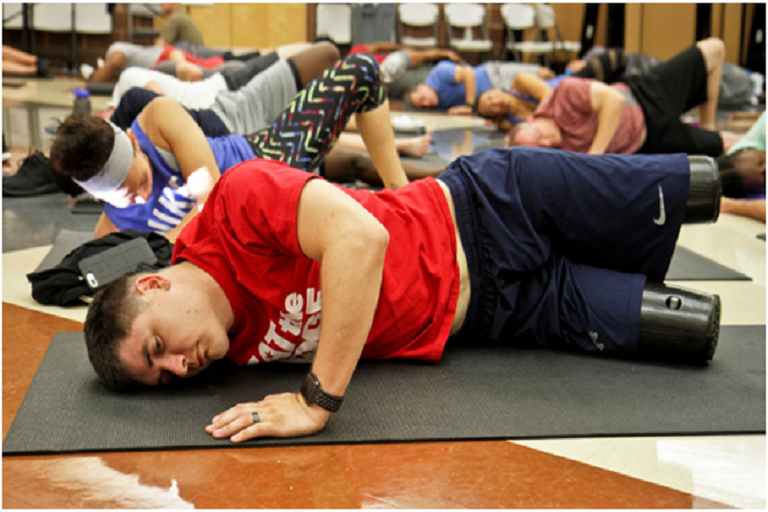
Physical activity is a critical part of the recovery process. The remaining leg should be exercised to make it stronger. Parts of the remaining leg (in cases of partial amputation) also require mild exercises. You may need to consult a physiotherapist to know precisely how to go about it. The activities depend on the level and type of amputation, the patient’s resulting disability, and general health.
2. Diet
Even though there is a change in the body, a patient may still eat a regular diet. However, it should be healthy to boost recovery. Constipation is common after surgeries. Thus, taking high fiber and enough water is essential.
3. Medication
Losing a leg may cause phantom limb pain and some pain in the stump. Pain relief medications are effective and relieve these symptoms. Some of the drugs include NSAIDs, anticonvulsants, and opioids. It would help if you only used the pills under prescription. Antidepressants may be used to treat depression.
4. Prosthetic leg
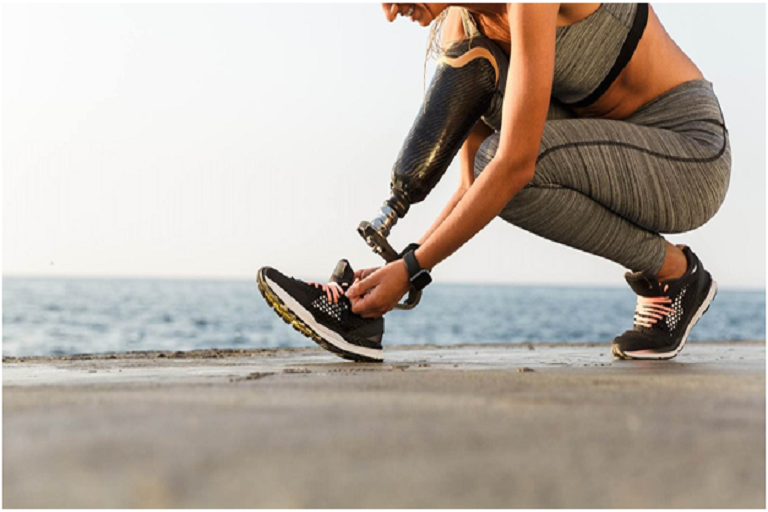
An artificial limb may be used to replace the lost one. It should be appropriately fitted to prevent pain or discomfort. The process may seem difficult at first but gets easier with continued use.
5. Post Amputation Emotions
Counseling may be necessary to enable easy transition after surgery. Antidepressants are also essential in case depression occurs. Other stress relief options include meditation, journaling, and breathing exercises. Click here to read more about dealing with an amputated leg.


