









































How to Improve Doctor and Patient Relationships
Discovering fast and easy solutions is vital to increasing physicians’ relationships with their patients because they are overburdened with medical and administrative responsibilities. The following are some actionable tactics that may be used to accomplish this goal and, as a result, prevent clinician burnout. Let’s dive right in!
-
Spend One Minute Fostering a Good Friendship
Physicians and other medical personnel would spend 15 to 20 minutes getting to know patients and forming relationships with them. They do not have time to spend an additional 15-20 minutes with each patient. Everyone has 60 seconds to spare. If you utilize this time correctly, you’ll be able to create a strong connection with your patient!
Be sure to ask patients non-medical questions at the start of each session. This will help establish a personal connection. Ask open-ended inquiries like ‘How are you doing?’ and ‘How was your day?’ There is a lot you can do in 60 seconds.
-
Develop a Pleasant Demeanor
Many doctors are unaware of the enormous impact they may have on their patients’ experiences just by using more welcoming and caring body language. Physical gestures made by doctors during their daily practice might harm the doctor-patient relationship. The following are some instances of body language that are effective:
- Maintain eye contact with the patient while speaking with him or her.
- Sit close to the patient; this has been shown to improve patient satisfaction in studies. To show that you’re paying attention, nod your head while the patient talks.
- To keep your attention focused, avoid chatting to other people or looking away from the conversation.
- Keep your shoulders back and your arms from becoming crossed when you lean forward.
- When appropriate, a smile may go a long way.
-
Show Compassion Towards Patients
Using Patient Relationship management software can help you provide patient-focused care to your population while helping to grow your organization. You need to exhibit compassion actively to make the patient believe you care about their well-being and are not merely performing your job unwillingly.
Active listening is a critical component of empathetic communication. Distractions should be kept to a minimum when the practitioner converses with the patient, and it should be apparent to the patient that they are being heard.
Asking the following short questions might also help express empathy. Remember that you may ask these questions throughout your first 60 seconds of rapport-building!
- What’s up
- What mood are you in right now?
- What impact does your illness have on your daily activities
- What is the most upsetting thing about you
- How are you dealing with this/that
- Empathetic words such as “That must be tough for you” should be used in the aftermath.
-
Use EHRs to Build Patient Trust
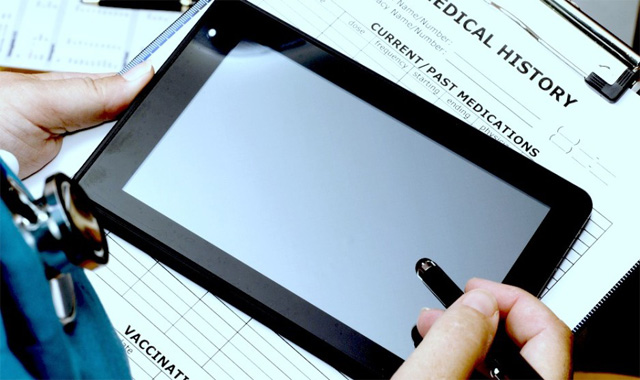
When physicians utilize a screen in front of them while the patients are ignorant of what is being shown on the screen, patients report feeling more anxious and less happy with the experience. Sharing a doctor’s screen with a patient is now made easier thanks to electronic health record software.
Patients can keep informed about their medical treatment and feel they are actively participating in the process using features such as Patient Portal. Building trust with patients, helping them feel less worried, and providing an overall better experience for patients are all things that may be accomplished with this fantastic method.
-
Provide Culturally Responsive Patient Care
Sometimes the connection fails when the physician engages in behavior that may be considered typical for them but is considered culturally insensitive by the patient. Clinicians must remember that their cultural values and beliefs may be irreconcilable with those of their patients; thus, they must exercise utmost care while communicating with patients from other cultural backgrounds.
Even if it’s something as little as sitting next to a patient in the waiting room, you should make it a point to make it a practice of inquiring about any behavior that causes you to be perplexed. In addition, medical professionals must eliminate obstacles caused by language problems and ensure that communication is crystal clear at all times.
Bottom Line
You may improve the patient-practitioner connection by paying attention to these seemingly little details, which can result in a more content patient and a happier and more responsible provider.


