






























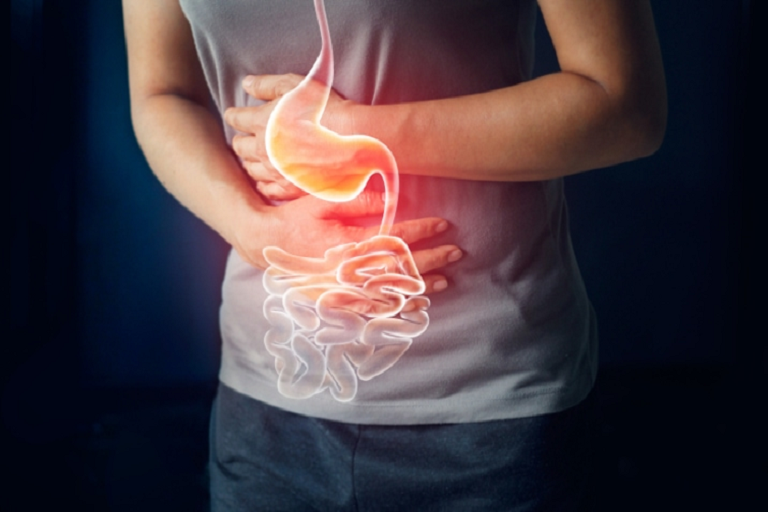
How to Modify Your Diet to Improve Gut Health
Do you experience frequent discomfort or inconvenient symptoms after eating a meal? Indigestion, bloating, diarrhea, nausea, and pain are commonly mentioned by those who suffer from an unhealthy gut. These unpleasant symptoms can plague you after you eat or even be a constant burden. Instead of accepting how you feel as normal and learning to live with it, do something about it!
It’s absolutely possible to identify what is causing you to feel so terrible if you just commit to figuring it out. You may even be surprised by how many other feelings, like fatigue and headaches, are made worse by your diet. If you are ready to start making some changes and feeling better, then follow these tips.
Track Your Food Intake
Knowing that you don’t feel well after you eat shows that there is a problem, but it doesn’t give you any information to work with. Start to keep a food journal and write down everything that you eat. Include the symptoms that you experience as well. Over time you will start to notice a pattern. You can begin to identify which foods trigger your symptoms and how severe they are.
Cook Your Own Meals
If you are going to do an overhaul of your diet, then your best bet is to cook the majority of your meals yourself. It’s very difficult to identify each ingredient that goes into a meal when you order out.
You may even find that cooking is something that you greatly enjoy. It can be relaxing and a fantastic opportunity to spend some quality time with the people you love. Stock your kitchen with high-quality restaurant equipment. You’ll save money over time by purchasing durable items that allow you to prepare your food safely. This is especially important if you discover a sensitivity that requires extra care.
Talk to Your Doctor
Tracking what you eat is a great step, but you should also speak with your doctor to rule out any potential health issues that are contributing to your discomfort. Your physician can do tests and run some labs to better identify issues and make sure you don’t suffer from anything more serious.
Get Tested
Sometimes traditional tests don’t catch all of the sensitivities that you have. Food allergies are more severe and usually show up on labs and bloodwork, but an intolerance or sensitivity may not. There are some more comprehensive tests these days that are made to identify less noticeable problem areas. You can request additional testing from your doctor or even order an at-home testing kit from a reputable source. This may give you a more accurate picture of the foods that you need to avoid.
Try an Elimination Diet
After you identify some trigger foods or get test results that verify an allergy or intolerance, it’s time to change how you eat. Completely eliminate the identified food from your diet for at least several weeks. Your doctor can work with you to create a plan specified to you.
Once you avoid a certain food for a while, you may notice that your symptoms improve. This can give you the chance to heal your gut and rectify any underlying problems. In some cases, once your gut is in good shape again, you can reintroduce the food in small amounts and still tolerate it. This varies by person. Some do best to continue to avoid the problem food.
Take a Supplement
Changing your diet is the best way to improve your gut health. However, you can also benefit from taking a probiotic or another supplement. They can give you an added boost to help you feel better even sooner.
With some time and trial and error, you can discover the source of your gut issues. Once you realize that the foods that you are eating are directly impacting how you feel, you will be more attentive and mindful in what you consume. Just a few changes can be all it takes to finally experience relief and great health.


