
























How to Prepare Your Business for Disasters
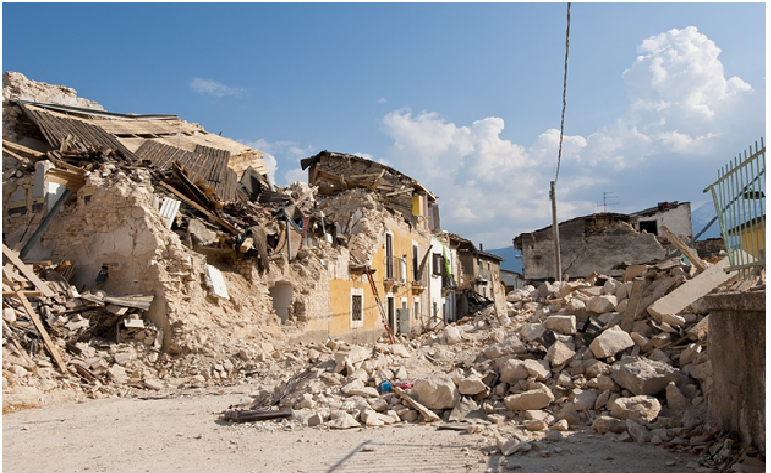
Being forced to halt operations is one of the worst scenarios that can happen to a business because it stops the company from generating income. Natural disasters are the bane of most businesses because their impact can be severe, too severe for some businesses to recover.
However, planning and implementing certain safeguards and contingency plans can help a company prepare for the worst, minimizing the losses and damages that can stop them from reopening. While you can’t always control or prevent disaster, there are a few things that you can do to protect your business interests. Read on to learn more about the steps that business owners should take to prepare for any type of disaster.
Stay Informed and Set Priorities:
Business owners should have multiple plans for different situations, which is only possible if they’re well informed and have got their priorities straight. Disasters have different levels of severity, whether it’s an earthquake, flood, or hurricane. You can check this article to understand the various categories of hurricanes and how each one will need a specific plan. If the threat isn’t expected to cause extensive damages, then you don’t have to evacuate or turn off the building’s electricity.
Stay informed by monitoring emergency alerts from the radio, TV, social media, or online news reports. The safety and wellbeing of your workforce should take priority over your inventory and assets if the level of severity is high. Devices and office supplies can be replaced, but the lives of your employees are irreplaceable.
Test Your Plan:
Anyone can write down a robust contingency plan for a disaster, but how will you know for sure that it will work? Practicing and conducting drills is a smart move to have everyone on the payroll, ready to exercise a hypothetical disaster situation. Not only is it suitable for testing out your plans, but it also trains your employees on what to do when something real happens.
The key is to check everyone’s response time and work on the weak points that may hinder the plan’s effectiveness. The simulations give you a chance to strengthen the response time, minimize damages, and protect employees. The drill must be realistic, sudden, and interactive to help employees get used to the stressful situation. They will all understand their roles and responsibilities better to be more confident and calm when a real disaster happens.
Backup Your Data:
Archiving your data and having digital backups is smart because it can all be stored on private cloud-based servers that will always be safe and secure. Other useful strategies and methods can keep your important data safe on external hard drives and recovery disks, but online and digital backups are the best way.
Consider investing in a service provider or web hosting company to store all your data on a remote server that can only be accessed by you. Taking this route will ensure that your client’s information, financial data, and business details will stay safe, even if all your devices are damaged in a disaster.
Get Insurance:
It will be wise to get insurance policies that give you coverage for catastrophic events, giving you the funding you need to rebuild and reopen. Most companies fail to reopen again because the damages were too much to take care of alone. Consider meeting with an insurance advisor that can explain and discuss with you the different policies and coverage options for damages and halting operations. Obviously, inform yourself before the meeting to know the most common threats that could affect your business’s location.
Communicate with Employees:
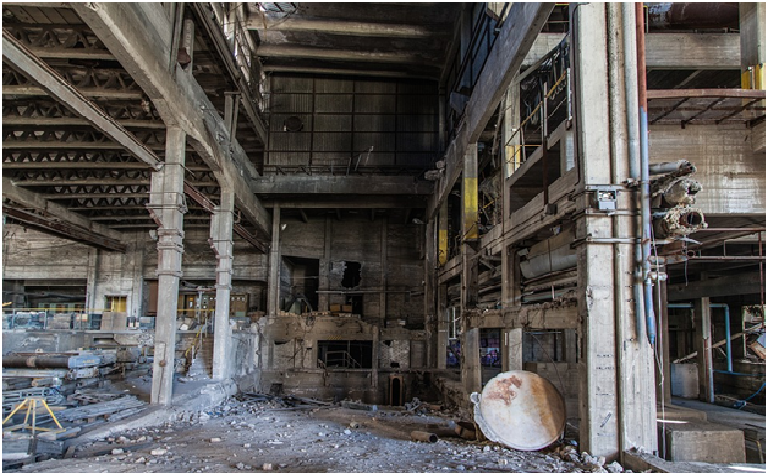
Having a line of communication open with employees is important to update them on the future of the business. Try to keep your employees calm and hopeful that business will resume soon. Keep your employees in the loop and let them know your plans for moving forward. Speak to everyone individually and support them. Provide them with any help they need, especially if their homes are also destroyed or damaged after the disaster.
Preparing for disasters is vital for ensuring the safety of your employees, assets, and inventory. The time it takes to resume operations again depends on your plan’s efficiency, your workforce well-being as well as the severity of the disaster, whether a hurricane, earthquake, typhoon, or even an epidemic.
The recent Covid-19 outbreak has proved how detrimental it can be for businesses to put their operations on hold. Only companies that had contingency plans and measures to protect themselves from infections were able to reopen smoothly. The preparation plans that a business owner implements can mean a lot for their company’s future.


