























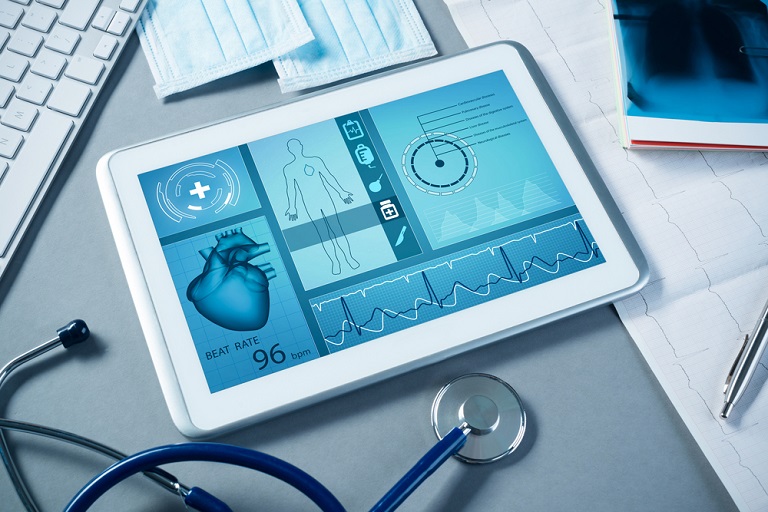
One glance at the news and it’s easy to see why today’s healthcare industry needs to be more productive and efficient than ever before. As emergency departments, urgent care centers, and private practices gear up to take on a slew of new patients, they are also seeking ways to make their job easier and their patients’ experiences as comfortable as possible. Using technology to streamline everyday tasks is becoming more commonplace. Here’s what you can do to improve technology in your own healthcare facility.
Install Interactive Displays
Old-school whiteboards have lost their appeal in a time when healthcare needs to move as fast as possible. Today, hospitals and doctors’ offices are opting to use interactive displays. The digital software allows doctors, nurses, and anyone else on a patient’s case to communicate in real time from wherever they are, which means faster treatment for patients with critical cases. Digital boards also allow for video conferencing and collaborative meetings. Some hospitals even use them to update loved ones on a patient’s surgical progress and allow the visitors to tap around the screen for more information.
Use an App to Fill Staffing Needs
You’ve heard the saying “there’s an app for that,” and there truly is. Medical staffing apps allow healthcare facilities to choose who they think is right for the job without relying on insufficient, too-expensive staffing agencies. These apps connect facilities to nurses, doctors, and other medical professionals who are already fully vetted and ready to work. Medical staffing apps fill positions faster and allow facilities to hire someone for a single shift, a week, or longer, depending on needs.
Provide Digital Pay Stubs
Paper pay stubs are outdated, inconvenient, and a hazard to the environment. Healthcare facilities are skipping them in favor of software that allows them to create and email an online pay stub for each employee every pay period. Pay stub software is also a preferable alternative for facilities hiring employees for only one or a few shifts. The software allows users to enter information, preview, print, and send a single pay stub in just a few minutes.
Implement Cloud Computing
Paper charts are bulky and easy to lose. Even the older computer systems hospitals used are inconvenient in today’s fast-paced healthcare industry. Cloud computing is the solution. Cloud storage for healthcare securities is secure enough to protect sensitive information but still convenient. Hospitals that use cloud-connected mobile devices make it faster and easier to access patient information, send it to other team members, and print discharge papers or other information remotely.
Turn To Centralized Monitoring
Research shows that alarm fatigue is a top hazard in the healthcare industry, especially among nurses who are often at a single station serving multiple patients. The phenomenon occurs because the brain becomes so used to the sounds that it desensitizes them, causing healthcare workers to respond too slowly. Most hospital alarms aren’t even actionable, but the constant beeping and resulting fatigue means nearly 44% of cardiac arrest cases aren’t attended in a timely manner.
To combat fatigue and ensure patients get the care they deserve, an increasing number of healthcare facilities are implementing centralized monitoring systems. These off-site monitoring systems provide a camera that oversees patients’ rooms and allows staff to speak to them or any other caregivers in the room to determine what help is needed, if any. The systems also allow monitoring of respiratory rates, blood pressure, heart rate, and more from afar. Initial studies show that cardiopulmonary arrest patients who had access to the system had a 93% survival rate.
The Bottom Line
The healthcare industry is ever-changing, always working to find new treatments and cures and to help patients have good quality of life. Technology is always changing as well, constantly improving the way people do business and socialize. It’s easy to see why the two go hand in hand. Implement more technology into your healthcare practice to keep ahead of the curve and always be ready to take action.


