




























According to the Centers for Disease Control, 53 percent of individuals with diabetes in the District of Columbia are obese and 82.5 percent are either overweight or obese. In addition, hypertension and diabetes are co-morbid in 62 percent of adults in the District of Columbia, indicating that patients with the highest rates of weight issues are also at the highest risk for chronic diseases such as diabetes and hypertension.
Wards 4 through Ward 8, the poorest in Washington, have the highest concentration of African Americans and the highest rates of obesity among those with diabetes. In response, Howard University Hospital’s Diabetes Treatment Center today announced a program to deploy a mobile personal health record from NoMoreClipboard to help overweight, pre-diabetic young adults make lifestyle changes aimed at preventing diabetes.
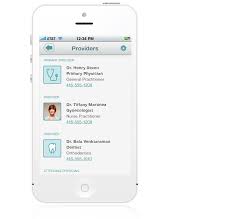
African-American patients between the ages of 18 and 24 diagnosed with pre-diabetes will be provided a free NoMoreClipboard personal health record (PHR) they can access on their smartphones, as well as a FitBit Zip wireless activity tracker that monitors steps, distance and calories burned.
Tracked data will synchronize wirelessly with the PHR, and this data will be available to clinical personnel at the Howard Diabetes Treatment Center, who will provide coaching to participants. Data captured in the electronic health record used by the Diabetes Treatment Center will populate the PHR, and patients can share their information with any other healthcare provider they visit.
Text message alerts will be sent to remind patients to interact with the PHR, and 75 health and behavioral tips will be sent via text at periodic intervals to participants over the course of a year.
“Several studies have demonstrated that obesity related morbidity and mortality can be significantly reduced through lifestyle modification and education,” said Dr. Gail Nunlee-Bland, director of the Diabetes Treatment Center. “Plus, cell phones are portable and widely accepted by young adults and can serve as an effective communication vehicle in providing consistent health care information from provider to patient, which is often lacking in our health care system.”
This program will study changes in Patient Activation Measure (PAM) scores at three months and one year. The PAM is a validated 13-item measure to assess patients’ ability to self-manage their chronic disease. Secondary measures will include changes in BMI and hemoglobin A1c levels at the same intervals. The study will also include a lifestyle group cohort that will not participate in technology intervention, but will attend group meetings.
“This initiative builds on previous success at Howard University Hospital where a mobile PHR was used to help patients with diabetes successfully manage their condition and reduce hemoglobin A1c levels,” said Jeff Donnell, president of NoMoreClipboard. “We are eager to see how this advanced mobile technology will help at-risk young adults adopt healthier lifestyles and avoid diabetes.”
Nunlee-Bland said her physicians and staff feel very strongly that the wireless communication approach will help young adults at high-risk for diabetes reduce obesity and become more engaged in managing their health.
“While the main goal is to prevent chronic — and often serious — healthcare conditions, it will also help overcome disparities in care and reduce unnecessary healthcare costs down the road,” she said.


