


























Hydration and Health: How Much Water Should You Really Be Drinking?
You’ve probably heard that drinking eight glasses of water every day is the key to staying hydrated and healthy. But is that really true? As it turns out, the answer is a bit more complicated than you might imagine. There is no one-size-fits-all answer to the question of how much water you should drink for optimal health. Luckily, there are guidelines to help determine how much H2O you and each of your family members should aim for each day.
Setting the Stage
You know the old adage: “You can lead a horse to water but you can’t make him drink.” What if you or a loved one refuses to drink water? Sodas, energy and sports drinks, you could consume them all day. But plain water? Not so much. While the liquid in all beverages does count towards daily hydration, there are many drawbacks to the sweetened ones. Not only are they more expensive than water, but they can also be detrimental to your health. The sugar found in many beverages can cause weight gain and tooth decay, as well as inflammation that may lead to premature aging. Research indicates that replacing sugar with artificial sweeteners is not the best option, since many of them have suspected links to cancer. In addition, highly caffeinated drinks carry the risk of increasing your heart rate and decreasing your quality of sleep.
So, what to do? If your main objection to drinking tap water is that you just don’t like the taste, look into installing a water softener in your home. Softener systems remove various elements from the water, which may eliminate that off-putting taste.
If the issue is that you’ve simply become accustomed to the oomph of sweet or caffeinated beverages, you may find a guide to quitting sugary drinks helpful.
Drinking water brings a wide variety of health benefits. The blood in our bodies is more than 90% water, so keeping hydrated ensures that oxygen is carried efficiently to all the vital organs. In addition, water is critical to the digestive system; without enough of it, you’re at risk for heartburn and stomach ulcers. Water also cushions the brain, helping ensure your cognitive and reasoning abilities are intact. And, on a more superficial level, water keeps your skin looking and feeling its best.
Calculating the Quantity
So, now that you’re on board with the concept that drinking water is healthy for both you and your budget, you’re probably wondering exactly how much should you be drinking.
Scientists have determined that an average 150-pound person living in a moderate climate should ingest 100 ounces of fluids per day, which works out to be a little more than twelve 8-ounce glasses. Add or subtract about 6 ounces for every 10 pounds above or below the 150-pound mark. Add 12 ounces for every 30 minutes of exercise or strenuous activity. Be sure to also adjust your water intake based on other variables such as pregnancy, illness, or extreme weather conditions.
Making It Manageable
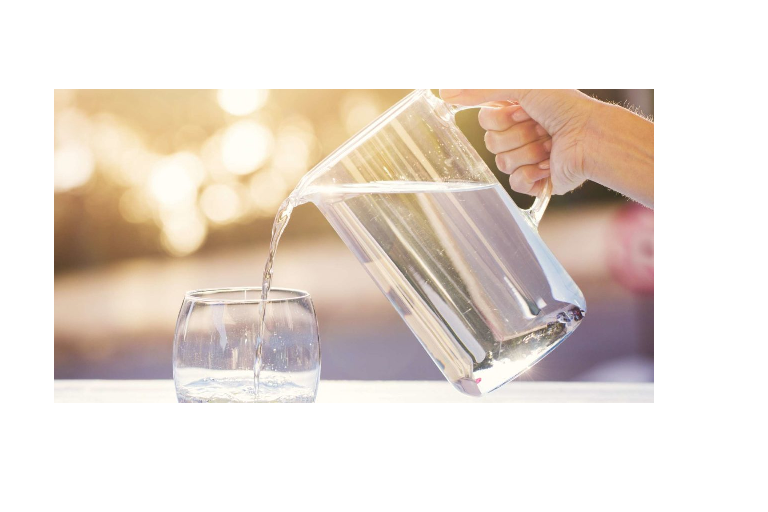
Once you’ve calculated your ideal daily water intake, you may feel a bit overwhelmed. Try not to picture a gigantic pitcher of water that needs to be poured into your body each day. Small steps and creative tweaks will make reaching your daily hydration goal not only possible but enjoyable. Make a habit of drinking a glass of water first thing in the morning, before each meal, and after each bathroom break. Invest in an attractive new water bottle and take it with you everywhere. And finally, make it fun! Get creative by making your own fruit- and herb-infused waters that will tempt your taste buds and keep that water flowing.
Good health is a blessing, and one key to maintaining it is staying hydrated. About 60% of your body is made up of water, so replenishing what’s lost each day through breathing, perspiring, and other bodily functions is critical. Calculating and then consuming the optimal amount of water for your unique circumstances is a daily investment in your own well-being.


