
































Bridging the Gap: How Electronic Health Records Improve Healthcare Access in Underserved Communities
Access to quality healthcare remains a significant challenge for underserved populations, including those in rural areas, inner cities, and low-income regions. These communities often struggle with provider shortages, disjointed care, limited resources, and outdated medical infrastructure.
One of the most impactful innovations addressing these challenges is the adoption of Electronic Health Records (EHRs). By digitizing patient information and streamlining clinical workflows, EHRs are proving to be essential in improving care delivery, enhancing patient safety, and strengthening population health in the areas that need it most.
Barriers to Care in Underserved Areas
Underserved communities face numerous obstacles to receiving adequate healthcare, including:
Limited access to primary care providers and specialists
Fragmented communication between healthcare facilities
Transportation difficulties and mobility issues
Low levels of health literacy
High rates of chronic illnesses
These issues often lead to delayed diagnoses, inconsistent care, avoidable complications, and rising healthcare costs. Historically, reliance on paper records or disconnected systems has only amplified these problems. EHRs offer a modern solution by connecting providers and facilitating timely interventions.
How EHRs Elevate Quality of Care
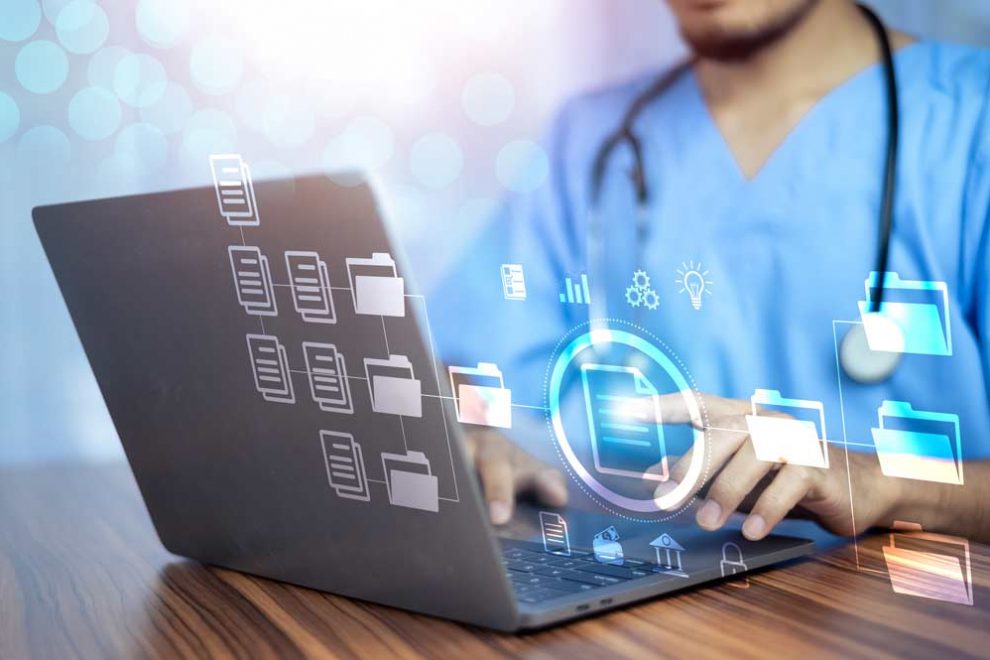
EHRs centralize patient information, making it easily accessible to authorized healthcare providers across various settings. In underserved communities, this leads to improved care coordination, fewer medical errors, and more efficient healthcare services. Key benefits include:
Real-Time Access to Patient Information: Clinicians can instantly review a patient’s history, medications, allergies, and lab results—enabling quicker, more informed decision-making.
Enhanced Preventive Care: EHR systems generate reminders for routine check-ups, screenings, and immunizations—helping manage chronic conditions and prevent serious health events.
Standardized Medical Records: Clear, consistent documentation reduces the risk of miscommunication and supports evidence-based treatment.
Crucially, EHRs are designed to meet strict privacy and security requirements. In the United States, all systems must comply with HIPAA regulations to safeguard patient data—especially vital in vulnerable settings with limited infrastructure.
CureMD: Advancing Health Equity Through Innovation
CureMD is a leading provider of EHR technology dedicated to making healthcare more accessible, intuitive, and efficient. Built with a mission to simplify healthcare for everyone, CureMD offers a powerful, cloud-based EHR platform tailored to meet the needs of small practices, community clinics, and large healthcare networks alike. By empowering providers in underserved areas, CureMD is playing a pivotal role in promoting health equity through cutting-edge digital solutions.
CureMD: Empowering Underserved Communities with Smarter EHR Solutions
CureMD’s platform is especially effective for underserved communities thanks to a thoughtful design that prioritizes ease of use, adaptability, and accessibility. Key features include:
User-Friendly Interface: Designed for simplicity, the platform supports staff with limited technical expertise, improving adoption and reducing administrative overhead.
Customizable Workflows: Providers can tailor templates to match their specific practice needs, enhancing accuracy and efficiency.
Interoperability: CureMD integrates seamlessly with labs, imaging centers, pharmacies, and public health systems—ensuring coordinated, holistic care.
Mobile and Web Access: Providers can access charts, sign notes, and communicate with patients anytime, anywhere—critical in areas with inconsistent healthcare access.
Beyond its technology, CureMD offers comprehensive support through training, regular updates, and implementation services that keep providers aligned with evolving standards and regulations. Its all-in-one platform also includes practice management, e-prescribing, patient engagement, and population health tools.
By simplifying complex tasks and reducing paperwork, CureMD helps providers focus more on patients—fostering a more compassionate, human-centered model of care in high-need areas.
Supporting Integrated, Team-Based Care
Team-based care is common in underserved settings, where physicians, nurses, social workers, and community health workers collaborate to manage complex patient needs. CureMD’s EHR streamlines this collaboration:
A community health worker can record home visit notes directly into the system, alerting physicians to urgent concerns.
Care coordinators can track referrals and lab results in one place, ensuring follow-through and reducing care gaps.
Additionally, integration with outsourced services like laboratory billing boosts revenue cycle efficiency. With EHR integration, lab results, charges, and reimbursements are automatically synced, avoiding duplication and delays.
Promoting Patient Engagement
In communities where mistrust or limited health literacy may prevent patients from seeking care, CureMD’s EHR offers accessible, secure tools to increase engagement:
Patients can view lab results, visit summaries, and appointment details.
They can message their provider, request refills, and manage their care with greater confidence.
The platform also supports multilingual interfaces, culturally sensitive care prompts, and health education tools—essential for building trust and improving health equity.
Enabling a Proactive Primary Care Model
Primary care is the cornerstone of health in underserved regions. CureMD empowers providers to:
Monitor chronic conditions like hypertension and diabetes with trends over time
Identify high-risk patients and intervene early
Track screenings and manage mental health assessments
With tools like clinical decision support, chronic care management, and population health dashboards, CureMD enables practices to meet quality measures and succeed in value-based care programs—improving both patient outcomes and financial viability.
Bridging the Digital Divide
Despite the benefits of EHRs, many underserved communities still face adoption barriers: limited internet access, budget constraints, and staffing shortages. CureMD helps bridge this divide:
Cloud-based delivery eliminates the need for expensive on-site infrastructure
Affordable pricing makes it accessible to smaller practices and safety-net providers
Support from federal initiatives like HITECH and CMS incentive programs further reduces the cost of adoption
Additionally, health centers can partner with Regional Extension Centers and technical assistance programs to ensure a smooth transition to digital systems.
With better data collection and reporting, clinics can demonstrate needs, apply for grants, and tackle broader social determinants of health more effectively.
The Future of Equitable Healthcare
As healthcare continues to embrace digital innovation, EHRs will remain at the heart of this transformation. Emerging technologies like AI, predictive analytics, and wearable device integration are already being incorporated into CureMD’s roadmap—bringing advanced capabilities directly to point-of-care settings.
For underserved communities, EHRs do more than digitize records—they help reimagine care delivery: making it more connected, proactive, and inclusive. CureMD stands at the forefront of this movement, delivering smart solutions that promote health equity, one patient at a time.


