





























Image by Rosie Andre
The cost of healthcare is rising for everything from basic checkups to advanced medicine. This is of particular concern to employers who must provide health insurance coverage for their employees. One innovation that has been getting attention is the use of telemedicine, or video visits from doctors. These have the potential to save a significant amount of money, but not everyone is convinced that they can really substitute for an in-person visit to a doctor.
Broadening the Scope
Telemedicine is not limited to video. It can also take the form of other modes of communication, including text-based methods such as email and SMS messaging. That significantly broadens the scope of the traditional relationship between patients and doctors. The potential for cost savings is very large, because right now even routine office visits can have large price tags. A quick check-in via a video call or an email can be just about as informative as a checkup when there are no obvious symptoms that the patient wants to discuss, and it is much less expensive. Anything that can lower the cost of medical care will attract interest. This is especially true because basic checkups and low-grade medicine are common forms of medical care that many employees utilize. Being able to replace them with a much cheaper alternative means a considerable savings over an entire company.
Disadvantages of Convenience
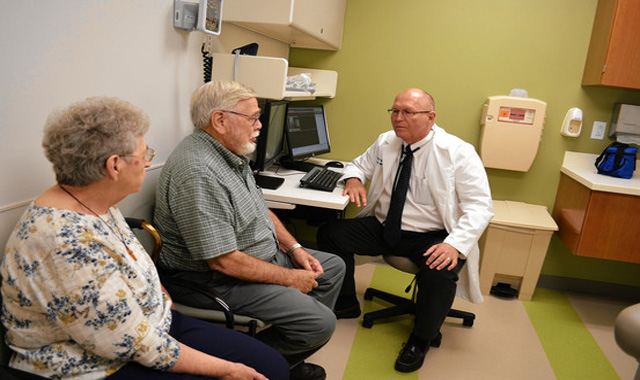
On the other hand, there’s reason to doubt whether telemedicine can offer care that is as good as a traditional appointment. Doctors have many tests that they conduct in person, collecting vital information and visually evaluating the health and fitness of their patients. Sometimes, a doctor’s experience and intuition leads them to dig deeper on a potential medical issue that might have gone unnoticed if the patient wasn’t physically present. For example, a video chat offers a limited view of the patient, will not be as clear as human vision, and doesn’t offer any form of physical touch. That eliminates many of the senses and techniques doctors use for evaluation.
The debate is still more complex. Medical care is often not as simple as whether or not you choose to make an appointment. There are many jobs and careers that entail living in remote areas where access to medical care is limited. As a few examples, offshore drilling platforms, mines located in rural areas, and military deployments can separate employees from the physical presence of doctors. When the Internet in remote locations is reliable but a doctor’s visits are not, telemedicine might be the best way to ensure that people can regularly interact with a care provider.
Associated Costs
Understanding health insurance benefits means seeing that the cost of providing good medical care is split between workers, employees, and the insurance company. The savings of telemedicine can alleviate that burden on all three parties, potentially making healthcare more affordable and accessible for everyone. But if the quality of that care declines significantly, then the savings might only be temporary, because significant health problems might go undiagnosed, leading to worse problems later on. Not only will this increase the risk of serious complications, but it would likely also wind up driving up costs in the long run. In the end, it might not come down to a simple binary decision. It’s true that telemedicine will become a larger part of medical care in the future, but it’s not clear exactly how commonplace it will be. A likely scenario is that telemedicine takes a supporting role in medical care without completely replacing basic care. That would reduce costs for routine care without completely ending the role of nurses and doctors in making checkups.



