






























Events Calendar

Mon
Tue
Wed
Thu
Fri
Sat
Sun
M
T
W
T
F
S
S
29
1
3
4
5
7
8
10
11
12
15
16
17
18
19
21
24
25
26
27
30
31
1
2
A Behavioral Health Collision At The EHR Intersection
2014-09-30    
2:00 pm - 3:30 pm
Date/Time Date(s) - 09/30/2014 2:00 pm Hear Why Many Organizations Are Changing EHRs In Order To Remain Competitive In The New Value-Based Health Care Environment [...]
Meaningful Use and The Rise of the Portals
2014-10-02    
12:00 pm - 12:45 pm
Meaningful Use and The Rise of the Portals: Best Practices in Patient Engagement Thu, Oct 2, 2014 10:30 PM - 11:15 PM IST Join Meaningful [...]
Adva Med 2014 The MedTech Conference
2014-10-06    
All Day
Adva Med 2014 The MedTech Conference October 6-8, 2014 McCormick Place Chicago, IL For more information, visit, advamed2014.com For Registration details, click here  
Public Health Measures Meaningful Use
2014-10-09    
12:00 pm - 12:45 pm
Public Health Measures Meaningful Use: Reporting on Public Health Measures Join Meaningful Use expert Jim Tate for a three part series of webinars addressing MU [...]
2014 Hospital & Healthcare I.T. Conference
2014-10-13    
All Day
Join us at our 2014 Hospital & Healthcare I.T. Conference and experience the following: Up to 125 Hospital & Healthcare I.T. executives from America’s most prestigious [...]
Connected Health Care 2014
Key Trends That will be Discussed at the Conference! Connected Healthcare 2014 is set to explore the crucial topics that are revolutionizing the connected health industry: [...]
HealthTech Conference
2014-10-14    
All Day
HealthTech Capital is a group of private investors dedicated to funding and mentoring new "HealthTech" start ups at the intersection of healthcare with the computer [...]
Health Informatics & Technology Conference (HITC-2014)
2014-10-20    
All Day
Information technology has ability to improve the quality, productivity and safety of health care mangement. However, relatively very few health care providers have adopted IT. [...]
HIMSS Amsterdam 2014
2014-10-20    
12:00 am
About HIMSS Amsterdam 2014 This year, the second annual HIMSS Amsterdam event will be taking place on 6-7 November 2014 at the Hotel Okura. The [...]
Patient Portal Functionality and EMR Integration Demonstration
2014-10-22    
2:00 pm - 3:30 pm
This purpose of this webcast is to present a demonstration to show how the Patient Portal integrates with EMR, as well as discuss how this [...]
Connected Health Symposium 2014
Symposium 2014 - Connected Health in Practice: Engaging Patients and Providers Outside of Traditional Care Settings Collaborating with industry visionaries, clinical experts, patient advocates and [...]
CHIME College of Healthcare Information Management Executives
2014-10-28 - 2014-10-31    
All Day
The Premier Event for Healthcare CIOs Hotel Accomodations JW Marriott San Antonio Hill Country 23808 Resort Parkway San Antonio, Texas 78761 Telephone: 210-276-2500 Guest Fax: [...]
The Myth of the Paperless EMR
2014-10-29    
2:00 pm - 3:00 pm
Is Paper Eluding Your Current Technologies; The Myth of the Paperless EMR Please join Intellect Resources as we present Is Paper Eluding Your Current Technologies; The Myth [...]
Events on 2014-09-30
Events on 2014-10-02
Events on 2014-10-06
Events on 2014-10-09
Events on 2014-10-13
Events on 2014-10-14
Connected Health Care 2014
14 Oct 14
San Diego
HealthTech Conference
14 Oct 14
San Mateo
Events on 2014-10-20
HIMSS Amsterdam 2014
20 Oct 14
Amsterdam
Events on 2014-10-23
Events on 2014-10-28
Events on 2014-10-29
Latest News

Kidney disease risk score can be built into patients’ electronic health records

chronic kidney disease

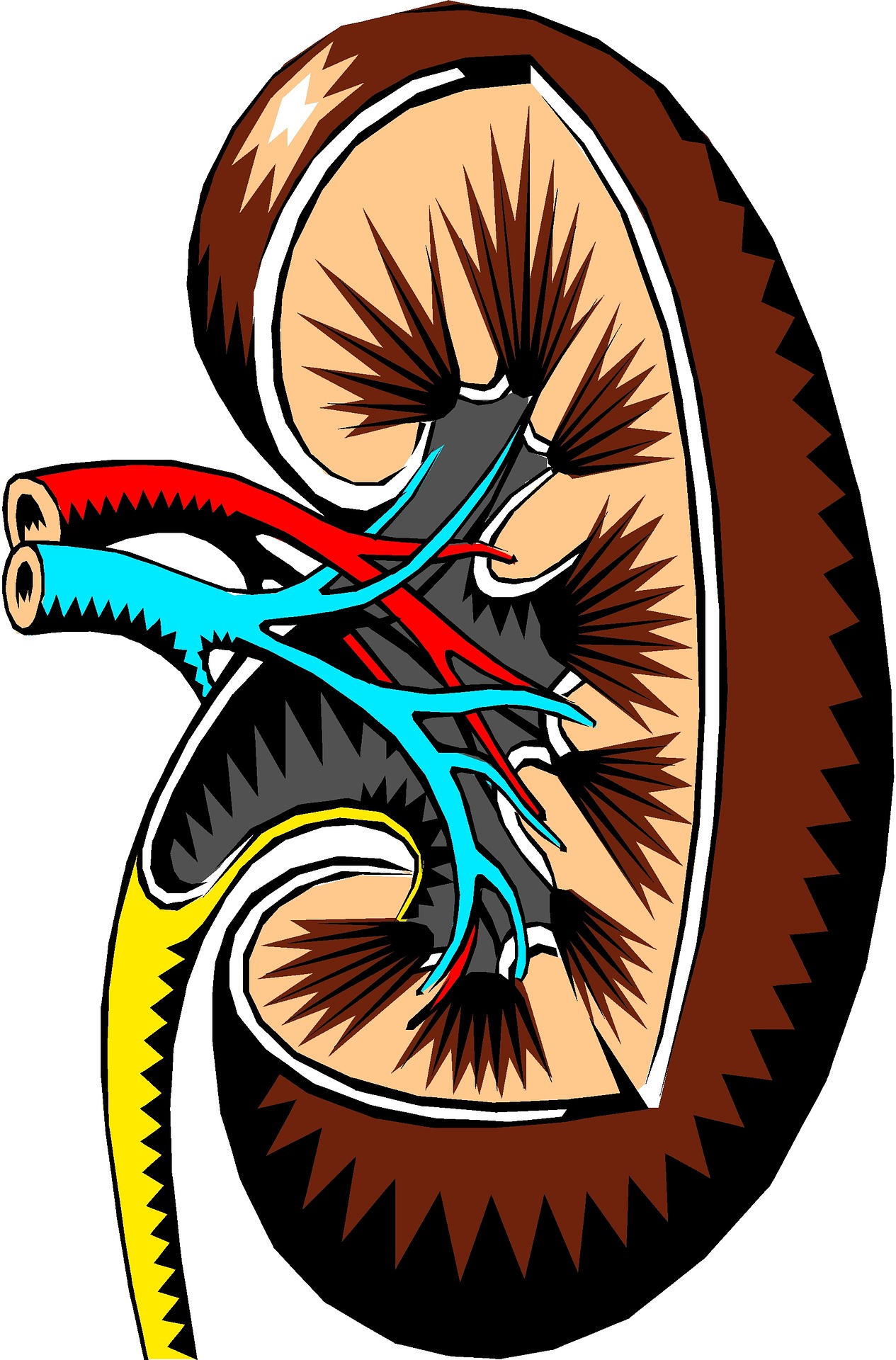
More than 26 million Americans have chronic kidney disease (CKD). Primary care physicians who take care of these patients can help reduce the risk of complications and death if they recognize the progression of kidney failure early, but this is often difficult to do – deterioration can be rapid and more than one laboratory test may be needed to accurately predict a patient’s risk. A new electronic health record (EHR) tool could help physicians quickly and accurately flag patients that should be referred to a nephrologist. Designed by Brigham and Women’s Hospital investigators, this tool draws upon recent research that has identified several tests that can be used to calculate an individual’s risk score.

Now, an automatic calculator can be built into EHRs and displayed prominently for a physician to see when they open a patient’s record. The was piloted at ten North Shore Physicians Group clinics this year, and a paper detailing the design and implementation of the application appear online this week in The Journal of the American Medical Informatics Association.

“Retrospective studies of patients who have had to go on dialysis show that being referred to a nephrologist just a few months earlier can have major benefits,” said corresponding author Lipika Samal, MD, MPH, a clinician investigator in the Division of General Internal Medicine. “We want to make it as easy as possible for a physician to quickly access and track a patient’s risk. This tool automatically calculates and displays a risk score within the health record, making it easier for a to spot disease progression and take action.”

The new clinical decision support tool calculates and displays risk based on criteria identified from a large cohort study conducted by Canadian researchers (Tangri et al., 2011). Predictive risk factors that go into the calculation include serum and urine tests that collected during routine care. If test results for any of these predictive measures have not been collected and are not in a patient’s record at the time of a visit, the tool will display a recommendation to order the tests. Otherwise, the tool will display a five-year kidney disease , and if the risk is high, a recommendation for a referral to a nephrologist.

The tool was deployed outside of the EHR in a way that would allow it to be used with different EHRs by utilizing interoperability standards called continuity of care documents (CCDs). The tool extracted the necessary tests from this interoperable document.

The research team validated the tool in 255 patients and subsequently deployed it to 10 primary care clinics. The team made improvements and updates to the tool based on feedback from physicians. In the course of the pilot, they processed more than half a million CCDs to diagnose CKD and to generate risk scores for patients with CKD.

Because of the interoperable nature of the tool, the team sees an opportunity to deploy this single application across multiple EHRs. They plan to implement it in eCare at BWH later this year. Samal also envisions applications for support tools beyond CKD.

“One of the positive things about EHRs is that there is now a wealth of data that can be used to help us better predict an individual’s risk, especially for chronic and progressive diseases, like CKD,” said Samal. “We have the opportunity to use EHRs to improve patient care- tools like this one can help us seize that opportunity.”


Source
