






























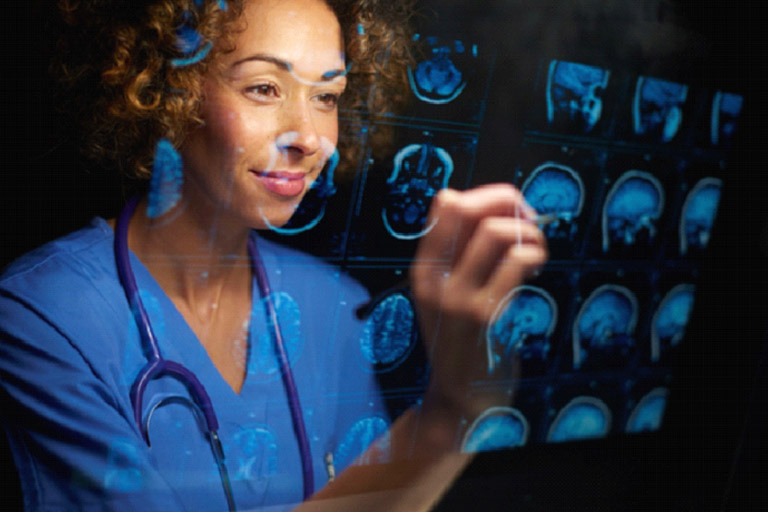
Neurosurgery is the most undiscovered field of medicine. Our knowledge of the human brain and nervous system, as well as their connections with other organs, is quite narrow. Medical science is working daily to find new insights into vital parts of the human body.
Medical experts have to improve their knowledge with every further medical disclosure, which makes their job rather stressful and challenging. Conditions, that neurosurgery treats, cover the entire spectrum of known disorders of the central and peripheral nervous systems, but also rare, still unexplained diseases.
Long Island neurosurgeons have a lot of exciting stories and experiences to share. The nervous system health issues that they’ve encountered throughout their careers are vast. Some of them are common disorders, while others are far more dangerous.
What Are the Usual Health Problems that Neurosurgeons Treat?
One of the most common ones is spinal cord trauma. This condition can arise due to many reasons. For example, during the wintertime, people tend to slip and fall. Some of these falls may be fatal, while others can cause chronic back pain and other conditions that disturb normal daily functioning.
Neuroscience doctors will examine your back, perform various scans, and determine how severe the injury is. Without detailed examination, no one knows how serious the injury is, whether and in what way it endangers the patient.
The subject of neurosurgical treatments are also all kinds of brain and spine malformation, so as the degenerative disorders of the spinal cord. With the use of modern treatment methods and state-of-the-art technology, neurosurgeons often perform very successful procedures even in babies.
Brain infarction, also known as stroke, is one of the most common and most risky conditions neurosurgeons treat. It occurs as a result of clogging of the blood vessels of the nervous system and is a potential danger to life if not responded urgently. What are the consequences of this disease, find out at this link.
Other Conditions Neurosurgeons Treat
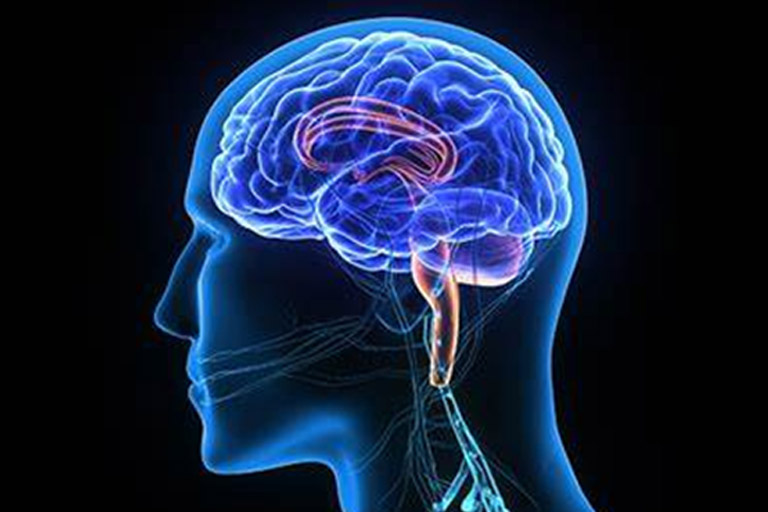
The brain, as the most crucial organ in thehuman body, is still not entirely understood by science. The estimation is that only about one-third of the brain’s functions have been discovered so far. The percentage is even lesser when it comes to treatments of cerebral disorders.
Brain aneurysms, brain lymphoma, spinal disc herniation, all kinds of cerebral tumors and infections are the additions to the list of the conditions neurosurgery treat with high success rate. Neurosurgeons are the ones that know how to deal with these diseases, whether by using surgeries or some less invasive treatments.
Neurosurgicalprocedures are done only when there’s no other way to deal with acute trauma or any other health disorder. Doctors will always try to treat the condition with prescription drugs first, and they’ll implement any other form of treatment before they decide it’s time for surgery. However, some cases, like skull fractures or the occurrence of pathogenic cells, require an immediate surgical reaction.
Nervous System Conditions
Meningitis isone of the common conditions caused by infections.The timely response of a physician often leads to complete healing. Neurosurgeons play a significant role in treating this disease, which can occur after surgical procedures that are not performed under sterile conditions.
Another common cerebral infection is known as brain abscess. It occurs due to several different reasons within the organism. A weak immune system and specific kinds of parasitic organisms in the body can be some of the things causing an abscess.
Head traumas caused by a fall, a car accident or sports injury can cause a lot of damage if a patient neglects them. Brain hemorrhages and skull fractures are only some of the things that neurosurgeons treat almost every day. Drug-resistant epilepsy is yet another issue that neurosurgeons know how to handle.
Movement disorders like Parkinson’s disease also belong to the area of neurosurgery. Experts treat this cognitive disorder by using minimally invasive stereotactic methods (stereotactic neurosurgical intervention) and deep brain stimulation.
A human nervous system is a sophisticated and complicated string of nerves that connect different parts of the body to the brain. Experts doing surgery on these body parts can’t afford a single mistake.As the science evolves, the number of procedures neurosurgeons successfully use is growing. That increases the chance ofa complete cure.


