

























By Michael Iorfino, The Times-Tribune, Scranton, Pa.
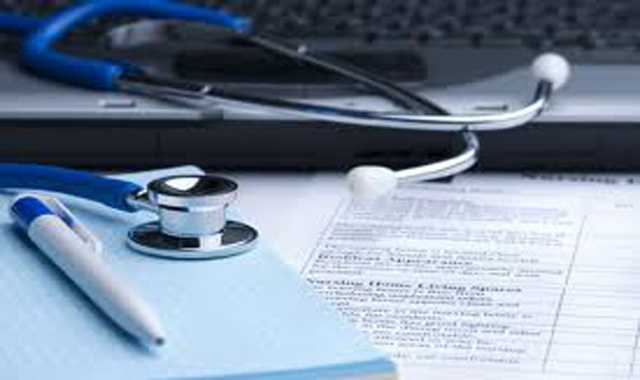
March 16–For decades, health care providers relied on paper charts filled with handwritten notes and abbreviations for an accurate look at a patient’s medical history.
Often stored in manila folders, the files contain decades worth of information and detail anything from observations or a patient’s X-ray results to medications he or she is prescribed to take.
But sparked by financial incentive programs and a nationwide push toward health information technology, many office-based physicians and hospitals over the last several years have converted the paper files to electronic records.
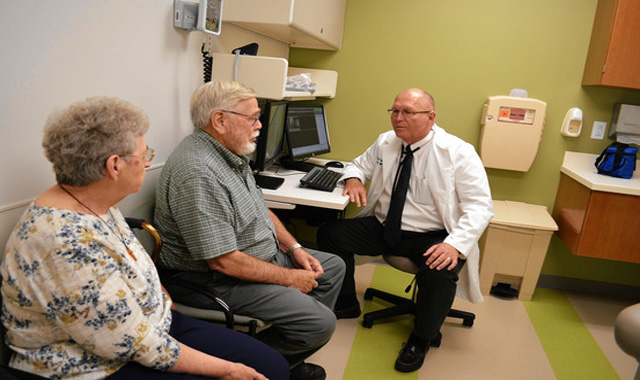
“The entire cycle in the hospital is now computerized,” said Patrick Conaboy, M.D., chief medical information officer at Regional Hospital of Scranton. “When (a patient) leaves the hospital, all the information is available to (their) doctor.”
Touted as a way to enhance the quality of care, electronic health records log patients’ medical histories and clinical information and store it on a database accessible to caregivers.
Nationwide, the percentage of office-based physicians who implemented at least a basic electronic health record system jumped from 11.8 in 2007 to 39.6 percent in 2012, according to the National Center for Health Statistics. Meanwhile, about 85 percent of acute care hospitals possessed certified electronic health record technology in 2012, meaning the technology met some or all federal “meaningful use” objectives — necessary to earn financial incentives.
The Medicare and Medicaid electronic health record incentive programs require providers to meet thresholds for a number of the objectives.
“The increase was largely accelerated by the high-tech provisions of the American Recovery and Reinvestment Act (of 2009),” said Martin Ciccocioppo, vice president of research at the Hospital & Healthsystem Association of Pennsylvania.
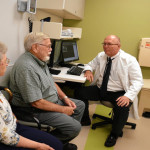
At a hospital that is fully converted to the system, a nurse can document a patient’s complaint via computer, while also checking to see what medications they take. When changes are made to a patient’s chart, physicians on the hospital staff or part of the network can view the additions from their office.
“In the old days, the only information about a patient is sitting in a paper chart on –the floor the patient happens to be on,” Geisinger Community Medical Center Chief Medical Officer Anthony Aquilina, D.O. “If you’re a doctor and you are somewhere else, you don’t know what’s going on with the patient.”
Geisinger Health System has used the software system called Epic since the 1990s, but GCMC didn’t implement the system throughout the entire hospital until February 2013, he said.
Not only does it eliminate an inefficient paper filing system, but it also helps cut down on errors made when providers incorrectly interpret the handwritten notes scrawled on files, he said. Safeguards also alert doctors of any unhealthy combination of medications.
“It’s a system of care that really reduces the risk of error,” he said.
Dr. Conaboy said the emergency rooms at both of Scranton’sCommonwealth Health hospitals — Regional Hospital of Scranton and Moses Taylor Hospital — are “paperless.”
Reflecting on an American College of Physicians report that highlighted the harm done by medical errors, Dr. Conaboy said experts found the best outcomes stem from an accurate diagnosis and proper treatment.
“That’s why the computer systems are designed to do,” he said. “The shortest distance between what your doctor thinks you should get, and what you get, is if he or she puts it into the computer.
“It’s probably the biggest change in medical practice in the last 30 years.”
Contact the writer: miorfino@timesshamrock.com, @miorfinoTT on Twitter
___
(c)2014 The Times-Tribune (Scranton, Pa.)
Visit The Times-Tribune (Scranton, Pa.) at thetimes-tribune.com
Distributed by MCT Information Services
For more stories covering the world of technology, please see HispanicBusiness’ Tech Channel
Source
Source: Times-Tribune (Scranton, PA)


