






























Mass. community health centers conduct more than 1M telehealth visits
The Massachusetts Federally Qualified Health Center Telehealth Consortium also announced that it had raised more than $6 million toward ensuring equitable and sustainable virtual care.
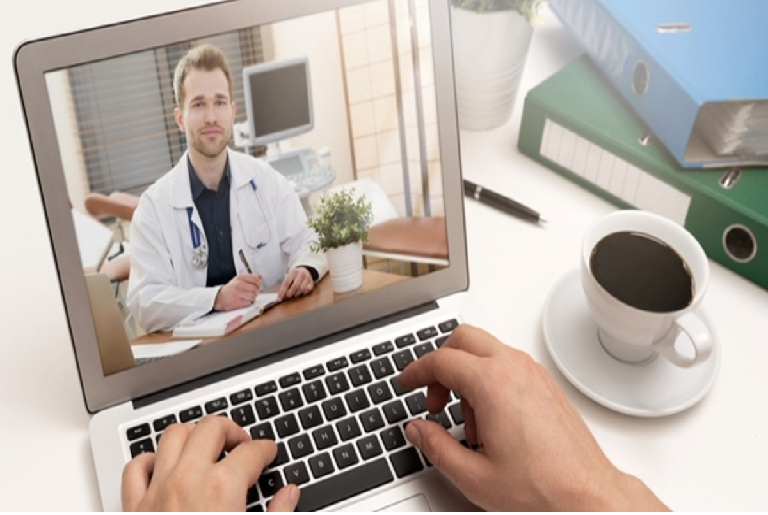
The Massachusetts Federally Qualified Health Center Telehealth Consortium announced this week that its dozens of members have conducted more than one million telehealth visits total since March 2020.
The Consortium, comprising 35 community health centers, has also passed the halfway mark of its $12 million goal aimed at sustaining telehealth capacity and addressing disparities among patients served.
“Reaching one million visits demonstrates the capabilities of health centers to meet their patients’ needs through innovation and resourcefulness,” Christina Severin, president and CEO of Community Care Cooperative, told Healthcare IT News.
“We are incredibly grateful to be supporting Federally Qualified Health Centers as they have and will continue to implement and expand virtual patient care, including telehealth visits, while facing the challenges of delivering safe, equitable health care to their communities during this pandemic,” added Severin, who cofounded the Consortium.
During the pandemic, the role of telehealth in helping to bridge the access gap for those who may face hurdles to seeking care in person became clearer.
Because of COVID-19’s outsized effect on people of color, especially Black, Latinx and Native people, virtual services can be particularly helpful in minimizing risk of in-person transmission.
According to the Consortium, of the 767,234 Massachusetts health center patients who accessed primary care via telemedicine visits between May 2020 and May 2021, more than 52% were white; nearly 21% were Black; more than 6% identified as more than one race; more than 5% were Asian; and 1% were Native. Of those identified by ethnicity, nearly 31% were Latinx.
And when it came to behavioral telehealth services, the Consortium said, nearly 56% of the patients in that time period were white; more than 23% were Black; more than 5% identified as more than one race; 4.65% were Asian; and less than 1% were Native. Again, 31% identified as Latinx.
At the same time, Consortium representatives note that telehealth expansion must not leave patients behind.
“The digital divide disparately impacts poor communities and communities of color,” said Michael Curry, president and CEO of the Massachusetts League of Community Health Centers, in a statement.
“Access to broadband and other technology is a social determinant of health that must be prioritized in order to avoid the deepening of existing racial health inequities,” Curry continued.
Its fundraising campaign is focused on making sure FQHCs have better access to broadband and remote patient monitoring equipment, as well as increased digital literacy training and community outreach resources.
“We will work to focus policymakers on this emerging issue and champion solutions to meet this basic need for everyone who lives in the Commonwealth – and beyond,” he said.
The concept of Internet access as a social determinant of health has also shaped policy-making on a state and federal level. Earlier this year, for example, the Federal Communications Commission opened enrollment for its Emergency Broadband Benefit program, aimed at expanding connectivity to people in need via discounted Internet services.
Still, studies have suggested that telehealth is being used less in disadvantaged areas, and advocates emphasize that more needs to be done.
“Sustainability of telehealth … will largely depend on continued reimbursement parity for services, as well as ongoing support from funders to champion health centers’ ongoing innovation, patient engagement, and efforts to address digital access as a social determinant of health,” Severin told Healthcare IT News.


