
































Events Calendar

Mon
Tue
Wed
Thu
Fri
Sat
Sun
M
T
W
T
F
S
S
2
3
5
6
7
8
11
12
13
14
15
16
17
18
19
20
21
22
24
25
26
27
28
30
1
2
3
4
5
The 10th Annual Traumatic Brain Injury Conference
2020-06-01 - 2020-06-02    
All Day
Arrowhead Publishers is pleased to announce its 10th Annual Traumatic Brain Injury Conference will be coming back to Washington, DC on June 1-2, 2020. This conference brings [...]
5th World Congress On Public Health, Epidemiology & Nutrition
2020-06-01 - 2020-06-02    
All Day
We invite all the participants across the world to attend the “5th World Congress on Public Health, Epidemiology & Nutrition” during June 01-02, 2020; Sydney, [...]
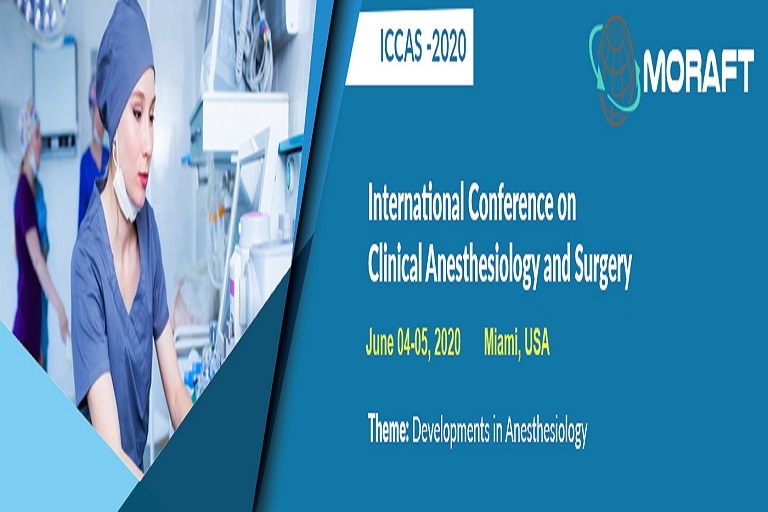
Global Conference On Clinical Anesthesiology And Surgery
2020-06-04 - 2020-06-05    
All Day
Miami is an International city at Florida's southeastern tip. Its Cuban influence is reflected in the cafes and cigar shops that line Calle Ocho in [...]
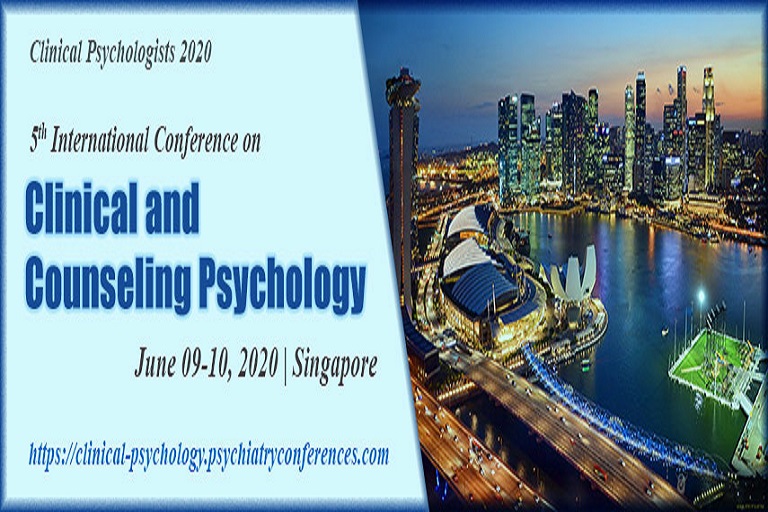
5th International Conferences On Clinical And Counseling Psychology
2020-06-09 - 2020-06-10    
All Day
Conferenceseries LLC Ltd and its subsidiaries including iMedPub Ltd and Conference Series Organise 3000+ Conferences across USA, Europe & Asia with support from 1000 more scientific societies and Publishes 700+ Open [...]
50th International Conference On Nursing And Healthcare
2020-06-10 - 2020-06-11    
All Day
Conference short name: Nursing Conferences 2020 Full name : 50th International conference on Nursing and Healthcare Date : June 10-11, 2020 Place : Frankfurt, Germany [...]
Connected Claims USA Virtual
The insurance industry is built to help people when they are in need, and only the claims organization makes that possible. Now, the world faces [...]
Federles Master Tutorial On Abdominal Imaging
2020-06-29 - 2020-07-01    
All Day
The course is designed to provide the tools for participants to enhance abdominal imaging interpretation skills utilizing the latest imaging technologies. Time: 1:00 pm - [...]
IASTEM - 864th International Conference On Medical, Biological And Pharmaceutical Sciences ICMBPS
2020-07-01 - 2020-07-02    
All Day
IASTEM - 864th International Conference on Medical, Biological and Pharmaceutical Sciences ICMBPS will be held on 3rd - 4th July, 2020 at Hamburg, Germany . [...]
International Conference On Medical & Health Science
2020-07-02 - 2020-07-03    
All Day
ICMHS is being organized by Researchfora. The aim of the conference is to provide the platform for Students, Doctors, Researchers and Academicians to share the [...]
Mental Health, Addiction, And Legal Aspects Of End-Of-Life Care CME Cruise
2020-07-03 - 2020-07-10    
All Day
Mental Health, Addiction Medicine, and Legal Aspects of End-of-Life Care CME Cruise Conference. 7-Night Cruise to Alaska from Seattle, Washington on Celebrity Cruises Celebrity Solstice. [...]
ISER- 843rd International Conference On Science, Health And Medicine ICSHM
2020-07-03 - 2020-07-04    
All Day
ISER- 843rd International Conference on Science, Health and Medicine (ICSHM) is a prestigious event organized with a motivation to provide an excellent international platform for the academicians, [...]
04 Jul
2020-07-04    
12:00 am
ICRAMMHS is to bring together innovative academics and industrial experts in the field of Medical, Medicine and Health Sciences to a common forum. All the [...]
Events on 2020-06-04
Events on 2020-06-10
Events on 2020-06-23
Connected Claims USA Virtual
23 Jun 20
London
Events on 2020-06-29
Events on 2020-07-02
Latest News

New anti-clotting drugs linked to lower risk of serious bleeding

New drugs known as direct oral anticoagulants (DOACs) used to treat serious blood clots are associated with reduced risks of major bleeding compared with the older anti-clotting drug, warfarin, finds a study in The BMJtoday.

The findings provide initial reassurance about the safety of DOACs as an alternative to warfarin for all new patients.

For many years, warfarin has been the main treatment for potentially fatal blood clots, known as venous thromboembolism (VTE). But DOACs are increasingly being used as an alternative to warfarin because patients don’t need regular tests to check if they have the right amount of drug in their bloodstream.

Clinical trials have shown a reduced or similar risk of major bleeding for DOACs compared with warfarin. But such trials involve only carefully selected patients, so bleeding rates often do not reflect those seen in everyday (“real world”) clinical practice.

Furthermore, most observational studies have included only patients with irregular heartbeat (atrial fibrillation or AF), creating an information gap for patients without this condition.

So researchers at the University of Nottingham supported by National Institute of Health Research set out to investigate the risks and benefits associated with the three commonest types of DOACs (dabigatran, rivaroxaban, and apixaban) compared with warfarin in patients with and without AF.

Using data from two large UK primary care databases, they identified 196,061 patients who started or restarted anticoagulants (after more than a 12 month gap) between 2011 and 2016.

A total of 132,231 patients were taking warfarin, 7,744 dabigatran, 37,863 rivaroxaban, and 18,223 apixaban. Overall 53% (103,270) were diagnosed with AF and 47% (92,791) were prescribed anticoagulants for other conditions.

Patients were monitored for major bleeds leading to hospital admission or death, ischaemic stroke, VTE, and death from any cause (“all cause mortality”).

After taking account of several known risk factors, the researchers found that apixaban was associated with a lower risk of major bleeding, particularly brain and gastric bleeds, in patients with and without AF, compared with warfarin.

They also found a lower risk of brain bleeds associated with use of dabigatran in patients with AF – and with use of rivaroxaban in patients without AF – compared with warfarin.

Rivaroxaban and low dose apixaban were, however, associated with increased risks of deaths from any cause in all patients when compared with warfarin, which may reflect closer monitoring of patients taking warfarin or may be related to other underlying conditions, suggest the researchers.

Overall, apixaban had the lowest numbers needed to treat over six months to avoid one extra major bleed (182 patients with AF and 138 without), compared with warfarin. In contrast, rivaroxaban had the lowest numbers needed to harm to observe one extra death (202 with AF and 61 without).

The researchers point out that this is an observational study, so no firm conclusions can be drawn about cause and effect, and they outline some limitations, such as possible misclassification due to patients not taking their medication.

Nevertheless, they say their study shows that “the risk of major bleeding is lower in apixaban users regardless of the reason for prescribing, appearing to show apixaban to be the safest drug.”

“Our results give an initial, reassuring, indication of the risk patterns for all patients taking anticoagulants, in particular with respect to those prescribed apixaban,” they conclude.

[Ends]

Research: Risks and benefits of direct anticoagulants versus warfarin in a real world setting: cohort studies using two primary care databases

Journal: The BMJ


