



















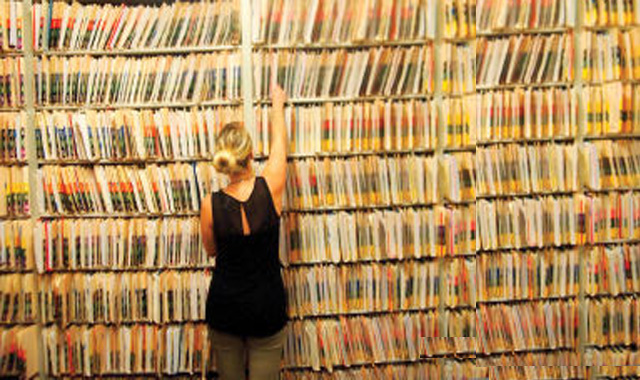






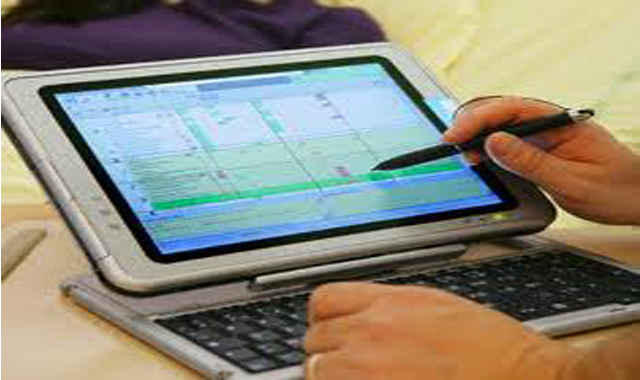
Daniel Martich M.D., Chief Medical Information Officer at the University of Pittsburgh Medical Center (UPMC) and his colleagues could well make the case that they deserve to live in an ivory tower, at least with regard to the advanced use of medical technology. Why? Maybe because UPMC is ranked #1 on Information Week’s IW 500, or because UPMC has already digitized a mind-boggling 90% of patient data, or even because UPMCs Health IT platforms look after about $10 billion in revenues each year.
But, explained Martich in a session at the recent Open Minds Technology Institute in Philadelphia, the achievement of technological nirvana remains elusive. Among the key technology challenges that face medicine today is one that most people would have thought doctors had licked long ago. That challenge is documentation, the notes on a patient chart.
Before the advent of electronic health records (EHRs), the rap on doctors wasn’t that they didn’t write good notes, but that you couldn’t read their handwriting, said Martich. The result was that illegibility led to mistakes as others tried to interpret what the notes really said. Or, the billing department couldn’t figure out, from the notes, exactly what services were rendered.
So, along came the EHR and with it a means to make every letter, number, and note legible. Problem solved? No says Martich. Somewhere along the way, as doctors and their colleagues struggled to do more with less, the capabilities of the EHR began to change the meaning of the medical note. Because the EHR made it so easy to add things on, people and various departments began adding things on, details that made someone’s job easier but not necessarily that of the doctor.
“Everybody wants everything in a medical note and what you end up with is a lot of extra stuff that doesn’t really do all that much – stuff for billing, research, risk management, compliance, finance . . .” The result is that notes become more of “a summative blog where quantity overwhelms quality,” and ponderous and repetitive information replaced the short, crisp updates of significant changes in a patient’s status that once characterized a good physician note.
“You get records that are legible but not often read,” he continued. Of course, that diminishes the primary purpose of notes, which is care-related communication. As the problem became more widely recognized, Martich said UPMC undertook an improvement effort keyed on separating “essential” from “inflated” requirements and focusing on note and communication quality. source


