


















News Summary :
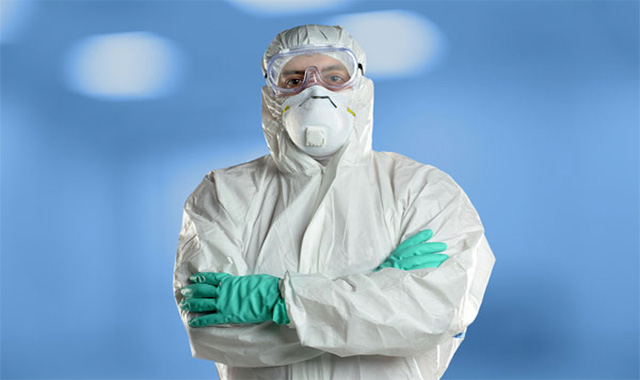
As concerns grow following the first confirmed case of Ebola virus in the United States, state officials and New Jersey hospitals have a simple message: They are ready. But infectious-disease experts have pointed out that there are many public health practices in place in the United States that would prevent a similar outbreak here.
Ebola is spread through direct contact with bodily fluids, like blood and vomit, rather than through airborne particles. While there is no cure for Ebola, medical facilities in the United States can help patients survive by providing intravenous fluids, oxygen and treatments for other infections.
In this article, Andrew Kitchenman explains how Ebola spreads, what are the symptoms and what will the hospital do when it identifies a patient with these symptoms.


