





















Article Summary :
Health care workers complain that they are not being properly trained from getting infected with this deadly Ebola virus. The news that a nurse who helped care for an Ebola patient was infected fed fears of health care workers.
Public health experts say the following are the five things that CDC is getting wrong.
1. The CDC is asking to call a doctor if a possible Ebola patient feel ill. Instead, if they provide a toll free number which would reach a centralized office, which would then dispatch a local ambulance to get the patient to the hospital and meanwhile the hospital can take necessary measures for the patient.
2. The CDC director says any hospital can take care of Ebola patients. But not all hospitals are created equally because handling infectious waste from Ebola patients is also a challenge and only those hospitals which have experience with infectious diseases can handle these.
3. The CDC didn’t encourage the “buddy system” for doctors and nurses where the nurses and doctors have another health care worker who monitors the worker.
4. CDC didn’t encourage doctors to develop Ebola treatment guidelines, because certain procedures might bring doctors and nurses in contact with infectious waste from an Ebola patient.
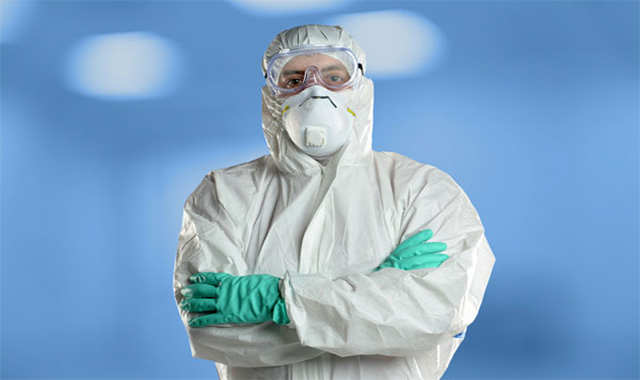
5. The CDC put too much trust in protective gear and the health workers who took care of the Ebola patient were not monitored. CDC should have realised that putting on and taking off protective gear is often done imperfectly.


