



























Primary Prevention of Alzheimer’s Disease Utilizing the Electronic Medical Record (EMR) Novel approach could have important implications in identifying and treating patients at-risk of Alzheimer’s disease Evanston, IL, Jan.31, 2017 – A paper published online in the Journal of Prevention of Alzheimer’s Disease reports on a health system-wide primary prevention initiative that harnesses the power of the Electronic Medical Record (EMR). Authors report utilizing the EMR to identify and guide treatment for patients at high risk for Alzheimer’s disease, Parkinson’s disease and Chronic Traumatic Encephalopathy (CTE).
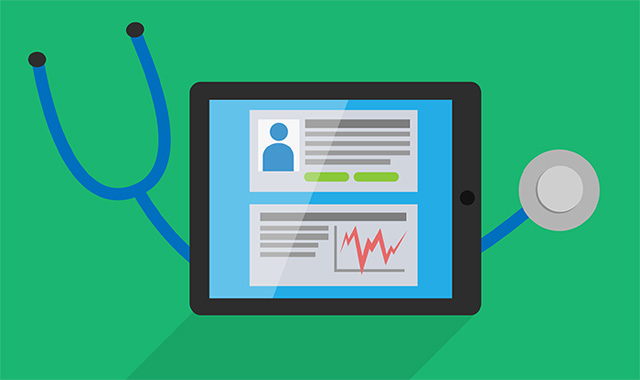
An electronic medical record-based (EMR) clinical documentation support toolkit aided in identifying high-risk individuals while evaluating risk factors and history. The toolkit includes evidence-based interventions to modify risk and features built-in capacity for pragmatic clinical trials and genomic research.
“Our purpose is to primarily prevent Alzheimer’s disease and related disorders through EMR-based screening, risk assessments, interventions and surveillance,” said Demetrius Maraganore, MD, corresponding author, Chairman of the Department of Neurology and Director of the Center for Brain Health at NorthShore University HealthSystem (NorthShore). “We are translating research into primary prevention of Alzheimer’s disease and aim to shift the paradigm in neurology from brain disease to brain health.”
Alzheimer’s disease and aging brain disorders are progressive, often fatal neurodegenerative diseases. Successful aging, modern lifestyles and behaviors have combined to result in an expected epidemic. Risks for these diseases include genetic, medical and lifestyle factors; over 20 modifiable risks have been reported.
The paper describes the Center for Brain Health at NorthShore, the EMR tools, the first year of patients and characterizes the opportunities for risk mitigation. “We have made progress in identifying high-risk individuals within a population and engaging them in care. We demonstrate that this is possible in a large health system and that leveraging the EMR and analytics can automate efforts and create learning opportunities,” said Anne Marie Fosnacht, MPH, first author and Sr. Clinical Research Associate at the Center for Brain Health.
“Additionally, through our Neurology Practice Based Research Network, we aim to share our EMR tools and data which will vastly increase our ability to improve the quality of the care we provide, to make new discoveries relating to brain health, to achieve better outcomes and ultimately reduce the burden of brain disorders in the communities we serve.”


