

























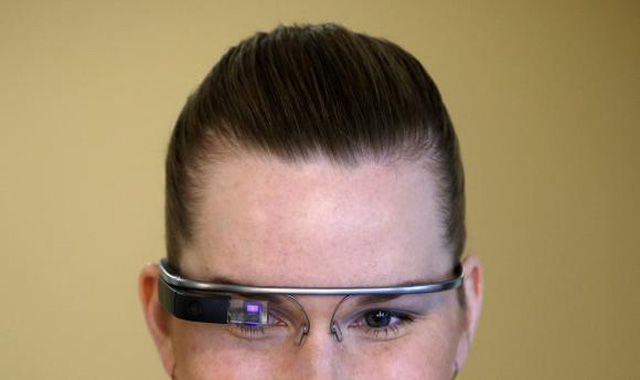
The Internet of Things and electronic health records (EHRs) are two hot topics of conversation among medical practitioners.
While heart monitors, respiration sensors and sleep trackers deliver information to doctors, EHRs allow physicians to pull patient data more easily. Why are these two developments so significant? They provide more fuel for data analysis software. Still skeptical? I came across two articles showing how the technology is being used to advance health care.
Getting to the specifics
Every one of us has a unique body composition, so who’s to say every person should receive the same kind of treatment for one condition? Wearable devices and EHRs providing historical patient data can be combined to help physicians identify what makes my biological chemistry different than yours, or vice versa. I know what you’re thinking: “That’ll take forever.”
Not with modern data visualization tools. FierceMobileHealthCare noted computer scientist Benjamin Marlin of the University of Massachusetts Amherst maintained EHRs inherently possess health patterns that are difficult to unravel manually, which involves going through each record one-by-one.
That’s where analytics and machine learning come into play. The software parses through EHR data and aggregates information applicable to whatever questions analysts possess.
Working toward a cure
For diseases such as Parkinson’s, Internet-connected devices are essential. Sensors capable of picking up muscles spasms, tremors and other minute actions can supply physicians with more thorough information that typically isn’t found in EHRs.
I came across another article on MedCityNews, which noted a collaborative effort between the Michael J. Fox Foundation For Parkinson’s Research and chip manufacturer Intel, which intends to collect data from wearable devices. For what purpose? To assess a person’s risk for developing Parkinson’s and finding new ways to treat the condition.
One particular instrument the initiative is aggregating information from is the smartwatch. The source noted these devices can process walking, tremors and other bodily activities. Intel and the foundation are working to develop an algorithm capable of identifying anomalies.
A diverse environment
The data produced by smartwatches is certainly considered unstructured. There’s not really a solid way to categorize the information being created, so a conventional legacy analysis tool probably wouldn’t do the trick. EHRs can be considered semi-structured: They provide you with names, dates, conditions and the medicine people were prescribed – all of this information is connected.
Imagine being able to compare historical data found in an emphysema patient’s EHR with real-time information produced by a respiration monitor attached to the person’s body. Such a process would enable doctors to truly personalize care, improving the state of the medical industry as a result.


