






























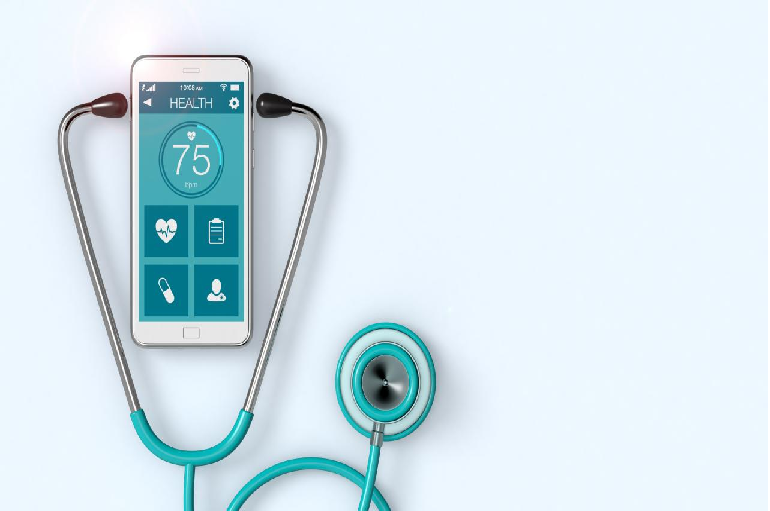
Technological Advances in Health Care
Medical research is continuously ongoing to discover new cures and treatments for diseases. However, technology is also advancing to improve patient experience and help health care providers work more efficiently. The last decade alone has seen significant technological leaps in health care, and new developments promise to advance it even further. Here are some advancements of the present and the recent past that continue to change the healthcare industry for the better.
Medical Mobile Apps
Since the first sim cards were inserted into the first smartphones, researchers and developers have been exploring the potential of mobile apps in health care. Today, patients can access mobile apps from their smartphones to review and update medical history, request and schedule appointments, get test results, etc. This helps to streamline the administrative process on both ends. There is also potential for health care facilities to reach more patients by partnering with other popular mobile apps.
Telemedicine
Telemedicine allows a doctor to see and treat a patient remotely via a secure type of video streaming. It offers enormous advantages to patients in rural health care centers that may be lacking the resources of their urban counterparts. It is also extremely helpful in situations when it would be risky to move a patient. For example, telemedicine is often used for prison inmates so that they can receive the health care they need while posing no safety threat to the doctor, staff, or public. Telemedicine has also been helpful during the COVID-19 pandemic for patients with unrelated health complaints to receive treatment without risking exposure unnecessarily. Many health care facilities have integrated telemedicine with mobile apps so that it is easy and convenient for patients to contact their doctors remotely.
Virtual Reality
Researchers in health care technology are only beginning to scratch the surface of virtual reality’s potential applications in medicine. It may be able to produce interactive three-dimensional imaging studies, which could aid hugely in diagnosing diseases. VR could also help improve the patient experience through virtual tours of the facility.
Remote Monitoring Tools and Wearable Technology
Remote monitoring tools and wearable technology help patients to avoid lengthy hospital stays while allowing doctors to keep tabs on them. Remote monitoring allows doctors to keep track of indicators such as heart function without having to keep patients in the hospital for observation. The wearable technology that most people are familiar with, at least by reputation, is a sensor that sends an alert when a person falls down. There are some legitimate ethical questions to ask about whether technological advances such as these are invasive or makes the patient unreasonably vulnerable, but many patients find that the technology affords them much greater freedom than they would have otherwise so the trade-off may be acceptable.
More types of wearable technology may be on the horizon. For example, someday soon there may be smart bandages that can alert a doctor when an infection is developing in the wound.
Voice Search
The first smart speakers that could hear and respond to voice commands were available in 2014. Since then, one in six Americans own one and nearly half of all adults use a voice search on a daily basis, many on smartphones. Benefits of voice search by health care providers are still being explored, but already patients are using it to find local medical care.
Personalized Medicine
Until recently, health care was largely a one-size-fits-all matter. Nowadays, it is possible to personalize one’s medical treatment according to one’s unique genetic profile. This is possible due to genome sequencing that identifies unique features and vulnerabilities in a person’s genetic make-up and tailors a personalized treatment that takes those matters into consideration. Also called pharmacogenomics, personalized medicine could save millions of dollars in unnecessary health care costs, such as misdiagnoses, readmissions, and adverse drug events. Eliminating these setbacks would also result in a much better outcome for patients, which should always be a primary goal.
What is exciting about many of these medical advancements, both those that are here now and those still on the horizon, is the potential for them to integrate with one another and improve each other’s functionality.


