



















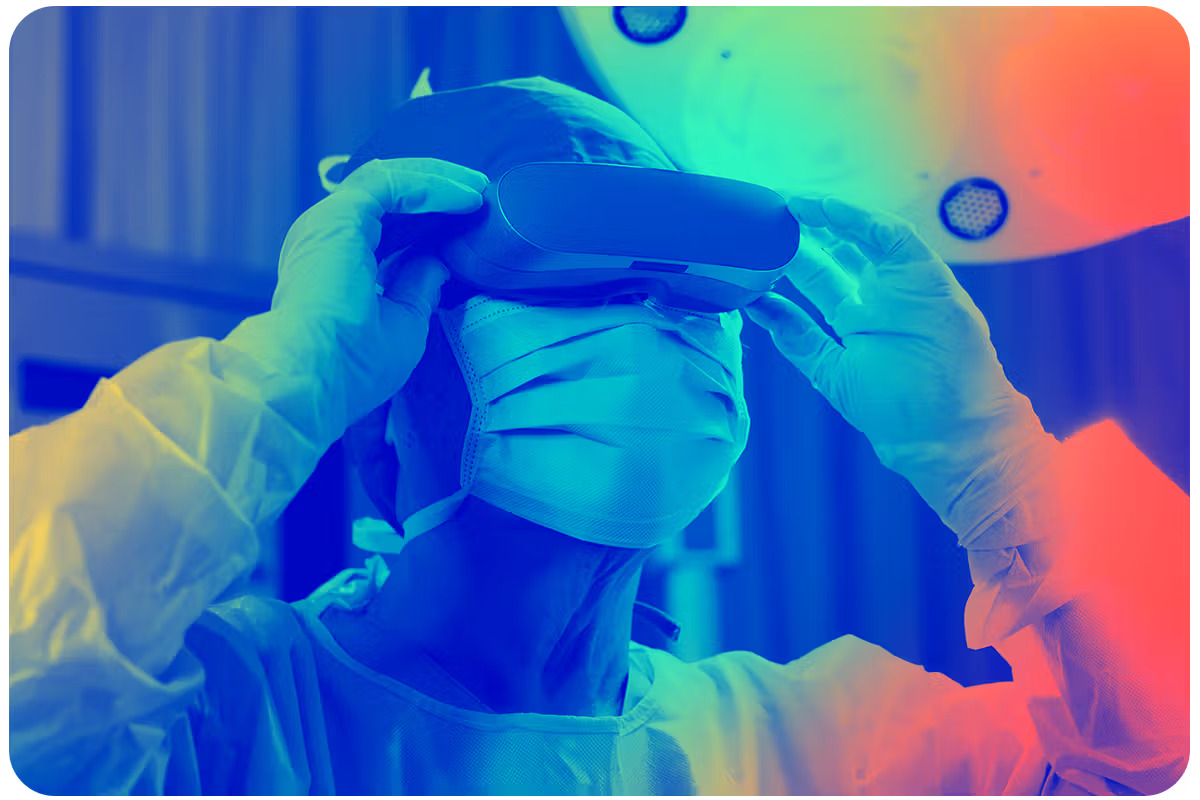















Technological Ways to Save Energy in Medical Facilities
Technology continually improves, becoming not only cheaper and more widely available, but also more energy-efficient. By implementing newer devices as much as possible, medical facilities can save significant amounts of money by reducing electrical bills. As an added bonus, such devices help decrease the carbon footprint as well, making the facility more environmentally friendly. Here are some technologies that can be installed and used to lower energy costs in healthcare buildings.
Solar Panels
The sun constantly inundated the earth with enormous amounts of energy. Harnessing only a fraction of this energy could power many facilities simultaneously. Fortunately, there is a technology that is specifically designed to convert solar energy into electricity: solar panels. Depending on geographical location, sunny weather may be extremely frequent. By installing the best solar panels available on the roof of the building, the solar rays can be used to produce electricity without burning fossil fuels, which produces harmful greenhouse gases.
Additionally, excess energy produced from solar panels can be stored in batteries for later use during the night or whenever the weather is cloudy. This feature is particularly important for hospitals that must be powered at all times of the day. Depending on the area of the facility, excess electricity produced from the solar panels can be sold back to the public grid for credits that can reduce the next electric bill.
Solar panels are a great option to save energy while also saving the environment by mitigating the amount of greenhouse gases produced by the healthcare building.
Upgraded Lights
Large hospitals have many rooms, hallways, and offices, all of which need lighting for personnel and patients. Given the sheer number of lights in a medical building, even a slight inefficiency in bulbs can become quite costly. Incandescent bulbs and fluorescent lights can be inefficient, constantly draining significant amounts of electricity in great numbers.
An improved light technology, known as light-emitting diode (LED) technology, on the other hand, gives a much more energy-efficient source of lighting. Significant energy savings can be quickly obtained by replacing old incandescent and fluorescent lights with LED bulbs.
In addition to more energy-efficient bulbs, motion sensors combined with the lights can also dramatically improve electricity savings. Not all of the rooms and hallways in a large hospital are constantly in use, so lights are not needed for the entirety of the day. In fact, empty rooms and hallways need no lighting at all. The motion sensor detects the movement of patients and employees, activating the lights only as they are needed. After people have left the area and no more motion is detected, the lights automatically turn off, saving energy.
Efficient Heating and Cooling
Hospitals are often large facilities. These large buildings need to have conditioned air for comfort of patients and employees. Climate control is also critical to provide the best conditions for each patient to make a speedy recovery. Processing the large volumes of air in the building can cost an exorbitant amount of money. For this reason, efficiency is key for heating and cooling systems.
Similar to the situation with lights, not all areas of a hospital require perfect climate control for all hours of a day. A programmable heating and cooling unit allows different set points to be determined for different parts of the day, ensuring that energy is spent only around the working hours of the day in an administrative office, for example. That way, the air is comfortable for personnel during the hours that they are there working. Once the workers leave at night, however, the heating and cooling unit throttles back to a less ideal set point to conserve energy.
With more energy-efficient technology, less electricity is required to operate common devices. Using less electricity not only dramatically reduces energy bills, but also reduces the amount of greenhouse gases produced by burning fossil fuels. In this way, using energy-efficient devices in a healthcare building saves both money and the environment.


