

























With the Coronavirus pandemic, people are understandably concerned when they begin to exhibit flu-like symptoms. To make matters worse, the idea of sitting in your doctor’s crowded waiting room with other sick people may be even scarier. Besides potentially getting the virus from someone else, you might be spreading it to others. And, if it turns out you have an ordinary head cold, you’ll be taking a doctor’s time away from patients who may be in dire need of medical help. What is the alternative? The answer is telemedicine.
Telemedicine’s Purpose
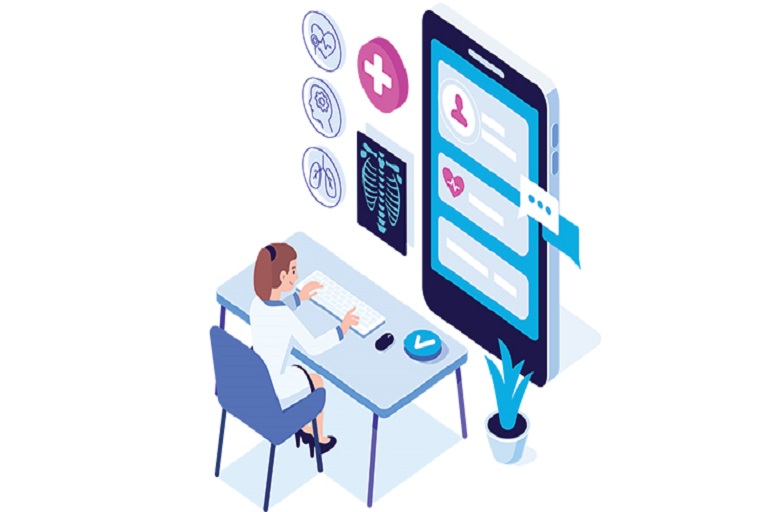
Telemedicine is a method of providing a remote health assessment, diagnosis and medical advice by a licensed professional using telecommunication technology. This can be done via phone or videoconference, depending on the provider’s technical infrastructure. A doctor, physician’s assistant or nurse can determine whether you need to visit the office.
In many cases, they can provide a diagnosis, give medical advice and prescribe medication that can be delivered to your home. Besides being extremely convenient, telemedicine can be particularly beneficial to people who live in rural areas far away from their doctor’s office. It can also be a great option for the elderly who either don’t have transportation or have difficulty traveling.
Business Opportunities
After a modest beginning, telemedicine is now seeing a major increase in demand. This has led to an urgent need for additional telemedicine providers, providing the perfect opportunity for telemedicine startups. There are challenges in starting a new company during the worst healthcare crisis in more than a century, but the Coronavirus pandemic has greatly increased awareness about the value of telemedicine. People are seeing the benefit of avoiding the doctor’s office and perhaps now are looking at virtual healthcare services in a whole new light, and the demand for these services may remain high even after the crisis is over.
Coronavirus Impact
While people were slow to adopt telemedicine as a viable alternative to a trip to the doctor’s office, it has experienced an unprecedented surge in use in recent days as a result of the Coronavirus outbreak. Of course, this has resulted in longer wait times, but it has also reduced the number of people in doctor’s offices and emergency rooms. Because of that, telemedicine has been instrumental in preventing the spread of the disease and has helped flatten the curve. Telemedicine provides screening tools for people to determine whether their symptoms are consistent with Coronavirus. Then a medical professional will advise as to next steps and can monitor patients who are recovering at home. The administration has recently relaxed some of the Medicare guidelines to make telemedicine more readily available, and some insurance companies are even offering telemedicine services free of charge or waiving copays during this crisis.
Wave of the Future
Some doctors have started reaching out to patients who already have appointments scheduled to determine whether they can avoid a trip to the office, and by doing so, help prevent the spread of contagious diseases. In the past, telemedicine has had only modest participation by both patients and providers.
Patients were skeptical about how well such a thing might work. Doctors weren’t motivated to participate because insurance companies have historically paid less than half as much for a telemedicine appointment as they would for an office visit. After what we’ve learned from our current health crisis, all that could change. Telemedicine has stepped into the spotlight.
Naturally, there are challenges as telemedicine providers try to ramp up to meet the increasing demand during the Coronavirus pandemic. Doctors must be trained to do the remote exams, and with the current overwhelming need for medical personnel, finding doctors and nurses to staff the telemedicine programs is becoming more difficult.
With the stress the Coronavirus has placed on our health care system, telemedicine has proven to be an invaluable resource, not only for doing triage, but for giving patients peace of mind during this stressful time.


