



















The COVID-19 pandemic has hit us off guard. The need to fight the virus has been urgent and all-encompassing and, as a result, medical focus has been largely centred on the virus, resulting in the redeployment and prioritisation of resources. Healthcare systems across the world have been striving to contain the impact on people, and available resources in many countries have been insufficient. Before this pandemic hit, Europe was dealing with the significant challenge of delivering care for patients with serious, non-communicable diseases, and we still are. The impact on patients of such diseases do not dissipate in line with our refocus on COVID-19, however pressing that may be.
The forgotten patients
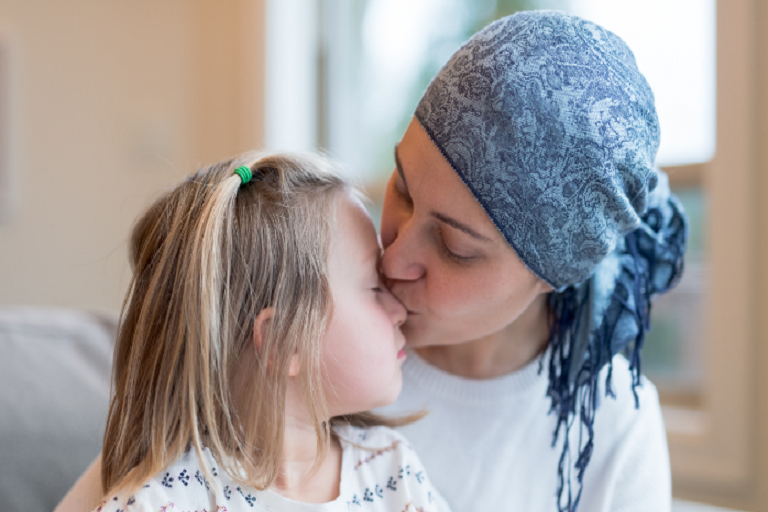
Patients with non-communicable diseases are particularly vulnerable to COVID-19, being at higher risk of serious illness and death. Moreover, the disruptions in their healthcare provision caused by the pandemic – treatment delays, discontinuation of routine care services and uncertainty around medicine availability – has left them more at risk than ever. In many cases services have been reduced to protect patients from exposure to the virus, or because non-emergency care has been limited. Diagnosis of new cancers is expected to be significantly delayed, which may have an impact on the success rate of curative and non-curative treatment strategies.
Despite the vast efforts of patient advocacy groups across Europe, the view is that protecting this particularly vulnerable population in many countries has largely been forgotten in the current public discourse. Many patients are facing added uncertainties and concern for their lives as their anxiety grows around how long COVID-19 will continue to negatively impact the care that they are able to access. “As a result of this constant fear, I am plagued by stress, anxiety, insomnia, and fatigue, and I hope these will not lead to more aggressive symptoms. This is how the COVID-19 pandemic is affecting my daily life and I hope that other chronic condition patients are not facing a similar scenario,” said Cassandra Alexis, a lupus patient from France.
“The real challenge is to keep the faith on issues like: are there enough medications available in the long run, can I rely on the continuation of doctor appointments in the hospital?” added Carine Besselink Berendsen, a kidney transplant patient from The Netherlands. Clinical trials are also likely to be delayed or suspended due to the practical challenges of conducting research, which will not only result in a lack of options for patients, but may also signify a setback in the advancement of new medicines and technology.
“We have seen in our melanoma community that our follow-up appointments and control scans are postponed, while patients have been switched to treatments that are less effective but have fewer side-effects, can be taken orally instead of intravenously, or are completely taken off treatment. Clinical trials are closed, leaving patients where all other therapies have failed out of options,” commented Bettina Ryll, a melanoma patient advocate from Sweden.
The drive to adopt technology must be a focus
It will take time and data to see the full impact on patients with non-communicable diseases, however this will be by no means trivial. We are already hearing heart-breaking cases of patients who have lost their lives during the pandemic. A recent article published in the Annals of Oncology outlines that even modest delays in surgery for aggressive cancers can have significant impact on survival rates, with a reduction in survival rate of 30% at six months and 17% at three months.
Despite the enormous pressures placed on our healthcare systems by COVID-19, it is vital that healthcare continues to deliver for patients in need. COVID-19 is indeed a disease that we had not encountered before, but it is not the first time we have had to contend with a highly contagious infectious disease. It does beg the question of how we have left ourselves so exposed. We have seen a lack of crisis preparedness strategy, a lack of aligned containment approaches, and a shortage in vital equipment and supplies.
Policy and provisions for pandemic crisis preparedness are gathering momentum as we learn from our experiences, and groups such as patient organisations and health innovation communities should be at the table alongside other stakeholders when discussions are taking place. It is vital that these voices are heard.
We must also address the reality that our healthcare systems are generally unsustainable and address this at EU and national level. The COVID-19 pandemic has taught us that the uptake of technology can indeed be timely when there is collective effort, and it is important to not lose momentum in adoption of technology as we come through the storm, but consider the lessons learned, both good and bad. We need the best user-driven tools at our disposal to protect our healthcare systems, our patients and our citizens. While COVID-19 has placed us in a period of uncertainty, we must be extremely certain of this – every patient matters and no-one should be left behind.


