

































The Patient Monitoring Devices That Every Medical Practitioner Needs
The coronavirus pandemic has brought global health into the conversation in a way we’ve never seen before, and has highlighted the importance of regular patient health checks to ensure patients are functioning at their healthiest.
Industries who specialise in patient monitoring accessories such as medical sensor manufacturers have come into their own during the pandemic, and made us consider more than ever before the importance of having the right equipment to meet patients’ needs.
Blood Pressure Cuffs
Keeping blood pressure at a reasonable level is one of the key components of a healthy body, and blood pressure cuffs allow you to measure this aspect of health in a straightforward and convenient way.
They can also be used remotely by patients, allowing them the ease of keeping track of their blood pressure from home and therefore reducing the need for appointments. Some remote patient monitoring devices can even link to smartphone apps, making the experience more straightforward and accessible than ever.
Temperature Monitoring Accessories
Monitoring the temperature of patients is key when observing the effectiveness of treatment against certain infections, as well as during operations, post-operatively and in many more common scenarios in a healthcare setting.
This can be done using a variety of invaluable devices such as digital thermometers and clinical infrared thermometers. Use of the latter device became a popular way to check temperature non-invasively throughout the coronavirus pandemic.
Pulse Oximeters
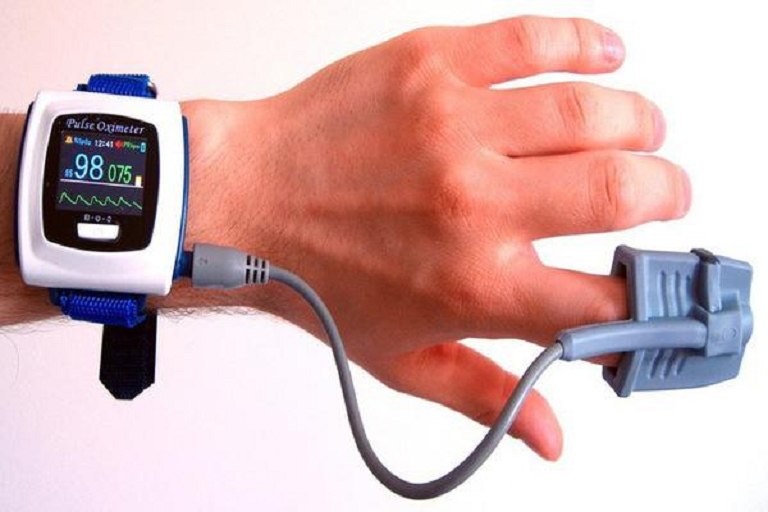
Pulse oximeters offer a simple and non-invasive method of checking the oxygen saturation levels of patients. The oximeters are typically clipped onto fingers (but earlobes and toes can also be used) to monitor blood oxygen levels and can be used across multiple settings such as emergency care settings as well as family medical practises.
Monitoring blood oxygen levels is crucial when checking whether a patient is suffering from issues with their circulation or lung capacity.
Vital Signs Monitors
Using a vital signs monitor is a great way of monitoring various indicators of health at once – such as heart rate, temperature, blood pressure, respiration rate, and sometimes even oxygen saturation levels.
These monitors are key pieces of equipment in a critical care setting, as they allow for any adverse responses to be rapidly detected and flagged up.
This helps to ensure that hospitalised patients receive prompt attention if any of these key indicators of a stable condition drop below the expected level.
Wearable Health Devices
Today’s market is awash with products which, when recommended to patients, can empower them to take control of their own health outside of the Doctor’s office.
These include items such as Fitbits and Apple Watches, the latter of which can even monitor blood oxygen levels remotely. Encouraging the use of devices like these by your patients can help them to take back control of their personal health, as well as giving you peace of mind that they’re taking their health seriously.
The devices listed above make up crucial tools in every medical practitioner’s toolkit, and are pieces of equipment that patients can expect to see frequently in a healthcare setting.


