



































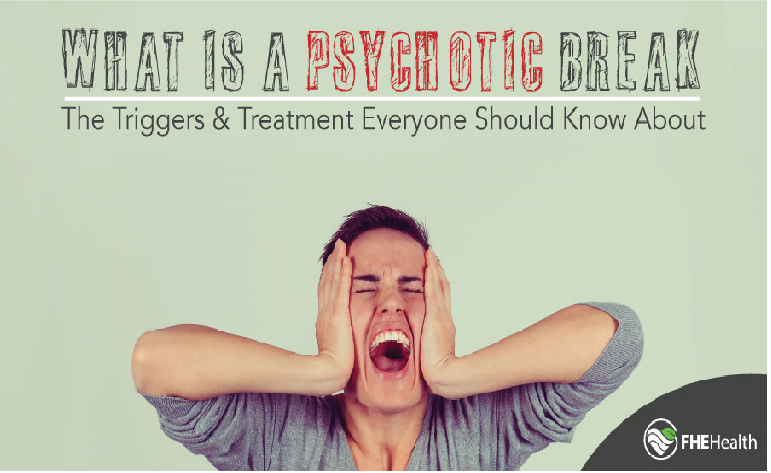
The Warning Signs of Psychosis and Why You Shouldn’t Ignore Them
Psychosis remains one of the most misunderstood mental health conditions in modern times. In many cases, psychosis occurs alongside other mental illnesses such as schizoaffective disorder, schizophrenia, or bipolar affective disorder. It’s more common among young people and more treatable than many people think.
People who have psychosis tend to process the world around them differently from other people. This includes how you view, believe, or experience things. If you have psychosis, you might hear or see things other people cannot.
Since psychosis is more treatable in its early stages, understanding what psychosis is and where and how to get help is vital. This guide will look at some early signs of psychosis and why you shouldn’t ignore them.

1. Problems with Reasoning and Thinking
In some cases, people with psychotic conditions believe things to be real that other people of the same culture think as untrue. However, this shouldn’t mean that having unusual beliefs is psychotic. Experiencing signs of a psychotic break means that a person can’t distinguish between their imagination and reality. Also, having unusual beliefs alone doesn’t mean that you’re suffering from a psychotic disorder. When you or someone you know start experiencing delusions, then you should seek medical help. Misconceptions are beliefs that are not based on reality, even though they might feel real to you. Sometimes, people find these experiences chilling and distressing while others don’t.
2. Issues with Perception
Commonly referred to as hallucinations. When you experience hallucinations, you hear, see, or feel things that other people don’t; this means that you perceive things that are not in your present state. Sometimes, you might hear voices that you’re unable to distinguish from your thoughts or voices of other people. These are referred to as auditory hallucinations. For example, you might feel or see bugs that aren’t there crawling on you. In the end, you might end up harming yourself, trying to pick them off. To explain the different terms more clearly: feeling things that aren’t real is called tactile hallucinations while seeing things that aren’t there is called visual hallucinations.
3. Change in Behavior
A person with signs of psychosis may experience bursts of energy or find it challenging to get things done. Some common symptoms include laughing at inappropriate gestures or being angry or upset without any apparent reason. They might stop doing things that brought them joy, like spending time with family and friends. Some people might also seem depressed, irritable, or excited without reason. Additionally, this might also lead to social withdrawal, choosing to spend time alone than usual. In other cases, one of the telltale signs includes a decline in personal self-care or hygiene.
4. Inability to Sleep Well
In many cases, psychosis is often accompanied by sleep irregularities. An individual may sleep very little and might suffer from sleep disturbances and frequent nightly waking. This might lead to significantly decreased activity towards work or simple chores. Remember, sleep plays a vital role in our cognitive abilities. Cognitive experiences mainly relate to mental action.
Cognitive impairment in primary psychotic disorders is common. According to medical statistics, approximately eighty percent of patients with psychosis exhibit clinically significant impairments. Studies have also shown that adults with psychosis continue to experience cognitive decline even after illness onset. However, the nature of this decline differs in different neuropsychological functions.
5. Emotional Issues
Common emotional issues with individuals who have psychosis include agitation, anger issues, or an irritable mood. This is particularly common after alcohol intake or other substances that disinhibit behavior. In many cases, this can usually indicate hypomania, which is a common sign of psychosis. The anger issues can lead to a grounded feeling of grandiosity. In this case, the individual experiences a sense of superiority that other people around him/her fail to recognize. Anger issues are a standard indicator of psychosis, particularly if combined with social anxiety and restlessness.
6. Blunted Affect
One of the subtle cues of individuals who have psychosis is a lack of empathy and flat emotions. Empathy is the ability to perceive others’ personalities and feelings. In many cases, this strange phenomenon can come across as narcissism. Blunted affect primarily involves a reduced intensity of outward emotional expression. It’s typically accompanied by loss of motivation, lack of subjective feelings, and anhedonia (inability to experience pleasure). Individuals may frequently suffer from these problems except when engaging in some repetitive and limited activities.
7. Distrust
An individual suffering from psychosis might distrust family members and friends, leading to withdrawal from social circles. In some cases, the distrust is disproportional. The sufferer may distrust a close family member but be too trusting of an acquittance or a stranger. If this sort of behavior persists, it can result in a lack of an existing support network for the victim. In many cases, it might worsen the condition further. Misplaced distrust or extreme pessimism is one of the warning signs that you need to look out for.
8. Extreme Paranoia
Extreme paranoia and suspiciousness are classical characteristics of paranoia, but they can be subtle. The sufferer may feel that family members, social circles, or work colleagues are out to get them or hate them even when there is clear evidence that doesn’t support these suspicions; the afflicted sticks to his narrative. Extreme paranoia leads to increased uneasiness around family or friends without knowing why. If you notice that your paranoia is intensified and doesn’t go away, it’s vital to seek help. Like we mentioned before, earlier treatment of psychosis increases the chance for a successful recovery.

9. Catatonia
Catatonia is a name for a group of symptoms that involve a lack of communication and movement. It can also include confusion, agitation, and restlessness. After a psychotic episode, an individual is overwhelmed to the extent that they slip into a state of unresponsiveness. If this happens, it may be the result of your body’s instinct to protect itself from dangerous actions and thoughts. If left untreated, this may deepen your psychosis.
People with full symptoms of psychosis may suffer temporary or variable signs. The symptoms of psychosis may come and go, last less than an hour, and appear a few times in a week. However, if you experience some of the symptoms we’ve discussed above, you must get checked. If left unchecked, they may become more frequent or sustained over time.


