





































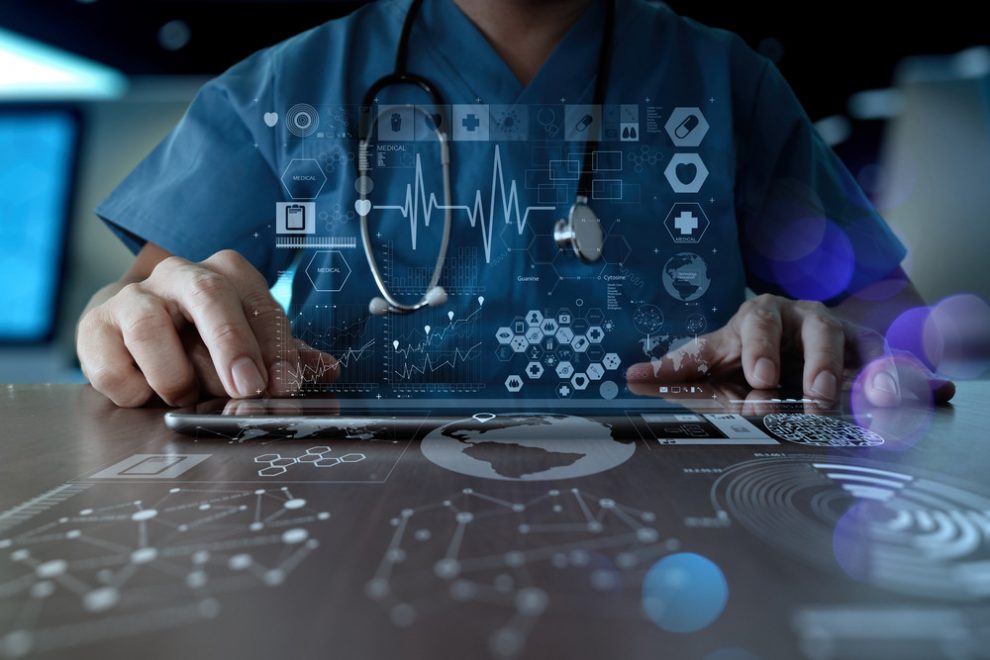
The Rise of Data-Driven Healthcare
The healthcare industry is undergoing a data revolution, utilizing electronic health records, medical imaging, genomic sequencing, and wearable technology to drive this transformation. The volume of health data, once overwhelming, is now manageable thanks to advanced machine learning models that process it on an unprecedented scale. Today’s AI systems leverage real-time data from diverse sources, analyze it, and provide physicians with crucial clinical insights that enhance decision-making.
With physicians now having access to data that enables faster and more accurate diagnoses, patient outcomes have significantly improved. Predictive analytics helps identify disease risks early, while the range of personalized treatment options available is vast. Interoperability has rapidly advanced, allowing for seamless integration of data from various sources to create a more efficient and cost-effective healthcare system. This shift towards a data-driven approach is transforming the diagnostic process, treatment plans, re-evaluations, and overall patient care. We are building a healthcare model that is less reactive, focusing instead on proactively treating patients with data-driven insights to enhance efficiency, reduce costs, and provide personalized care.
Leveraging Predictive Analytics for Proactive Healthcare
Predictive analytics is transforming healthcare by utilizing big data to foresee and prevent chronic conditions. AI models analyze patient records to pinpoint individuals at risk of developing chronic illnesses like diabetes, heart disease, and cancer. By detecting early warning signs and symptoms, these AI models enable early intervention, reducing hospital readmissions and enhancing patient outcomes. Healthcare organizations can create tailored prevention and management strategies, which not only reduce the strain on resources but also optimize clinical care.
This shift reduces reliance on reactive care, placing a greater focus on prevention, which leads to lower treatment costs for all and improved public health. In the era of AI-driven predictive analytics, organizations can leverage these tools to detect diseases early, assess risks, and intervene promptly, enabling a more proactive, personalized approach to healthcare.
Improving Medical Imaging Interpretation
Deep learning algorithms are revolutionizing the analysis of medical images, enhancing radiology by detecting abnormalities in X-rays, MRIs, and CT scans with an accuracy comparable to that of expert radiologists. Many AI-powered systems today assist in the early detection of diseases, improve diagnostic accuracy, and reduce errors, enabling faster treatment decisions. Additionally, advancements in image segmentation technologies have significantly improved surgical planning, allowing surgeons to better prepare for complex procedures by mapping out anatomical structures with greater precision.
Oncology has greatly benefited from AI in radiation therapy planning, ensuring accurate tumor targeting and the delivery of the most effective treatment while minimizing damage to surrounding healthy tissue. Additionally, deep learning has enhanced workflow automation in radiology, reducing image interpretation time and alleviating the burden on healthcare workers faced with heavy workloads. As AI continues to evolve, its integration with medical imaging is driving improvements in decision-making accuracy, efficiency, and patient outcomes throughout the healthcare system.
Extracting Insights from Unstructured Clinical Data
Natural Language Processing (NLP) is revolutionizing healthcare by extracting valuable insights from unstructured clinical data such as patient records, physician notes, and medical reports. AI-powered NLP tools process large volumes of text to streamline documentation, identify adverse drug reactions, and enhance clinical decision support systems. By automating information extraction, these technologies lighten the administrative load on healthcare professionals, enabling them to focus more on patient care.
Moreover, NLP improves diagnostic accuracy, uncovers treatment patterns, and predicts patient outcomes. Its integration with electronic health records (EHRs) boosts interoperability, making critical data more accessible and actionable. As NLP continues to advance, it plays a key role in driving medical research, optimizing workflows, and enhancing overall healthcare efficiency.
Real-Time Data Processing with Scalable Architectures
Scalable computing frameworks like Apache Spark and cloud-based data lakes are transforming healthcare data management. These technologies allow for the real-time processing of vast and diverse datasets, enabling immediate analysis of streaming health data from ICU monitors and wearable devices. By leveraging these real-time insights, clinicians can identify early signs of patient deterioration, leading to timely interventions.
Apache Spark’s distributed computing capabilities ensure fast data processing, while cloud-based infrastructures provide the scalability needed to meet the growing demands of healthcare. The combination of scalable architectures with real-time analytics enhances patient monitoring, streamlines clinical workflows, and improves healthcare outcomes through proactive decision-making and predictive analytics.
Overcoming Challenges: Privacy, Security, and Ethical Considerations
Despite its immense potential, the implementation of big data in healthcare presents significant challenges, especially concerning patient privacy and regulatory compliance. Ensuring adherence to HIPAA and GDPR regulations while still leveraging AI-driven insights is a key priority. Ethical concerns, such as algorithmic bias and the explainability of AI decisions, are also being addressed to foster trust in AI-powered clinical outcomes.
The Future of AI-Driven Healthcare
As machine learning algorithms continue to advance, their integration into healthcare will become increasingly seamless. Future developments could include federated learning for secure data sharing across institutions, AI-assisted drug discovery, and precision medicine tailored to the unique needs of individual patients. With continuous innovation, big data analytics is set to redefine the future of healthcare.


