

































Treatment for Opioid-Exposed Infants Varies Widely From Hospital to Hospital
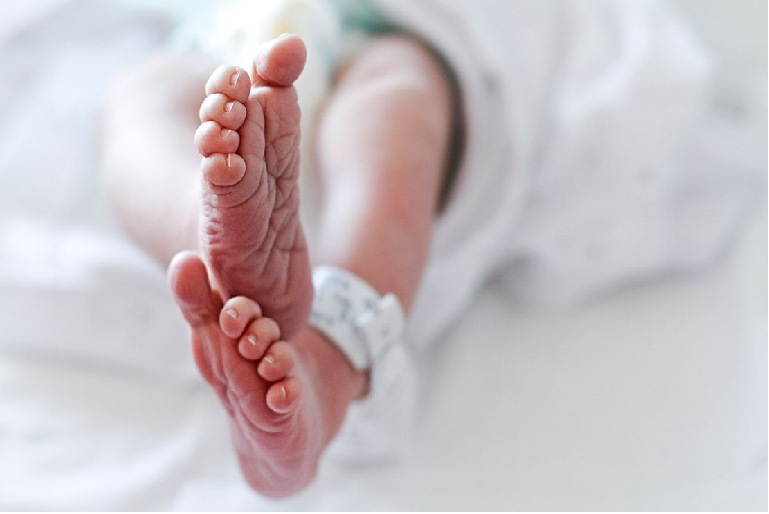
Babies born addicted to opioids and suffering from withdrawal receive vastly different treatment depending on where they’re born, according to a new study that looked at treatment at 30 different birth centers across the country. The realization that there is so much variation from site to site highlights the need for a national standard of care, since not all infants are receiving efficient and effective therapy.
RELATED: Few U.S. Opioid Overdose Survivors Get Timely Addiction Treatment
“We’re seeing that if you take five different hospitals, all five are doing different things when they treat neonatal opioid withdrawal,” says Andrew Bremer, MD, PhD, acting chief of the pregnancy and perinatology branch at the Eunice Kennedy Shriver National Institute of Child Health and Human Development (NICHD) in Rockville, Maryland, and co-chair of the Enhanced Outcomes for Infants and Children Exposed to Opioids Scientific Team of the National Institutes of Health’s Helping to End Addiction Long-Term (HEAL) Initiative, which supported the study. “It’s not to call out what’s good and what’s bad, but to point out that the differences we’re seeing are somewhat shocking.”
The opioid crisis is a profound problem across the country, with opioid overdose deaths at a record high. Dr. Bremmer notes that it’s being exacerbated by the COVID-19 pandemic. The opioid epidemic is not just harming adults: The number of babies diagnosed with neonatal opioid withdrawal syndrome grew 800 percent over the last two decades. Today, one infant receives an opioid withdrawal diagnosis every 15 minutes.
“That’s only what’s diagnosed so it’s likely a drastic underestimation,” says Bremmer. “It doesn’t take into account opioid-exposed infants or babies born at facilities that may miss the diagnosis.”
Adoption of Hospital Protocol Will Improve Outcomes
The study, published online in December 2020 in the journal Pediatrics, looked at the treatment given to nearly 1,400 infants with evidence of opioid withdrawal at 30 hospitals across the country that agreed to participate in the Advancing Clinical Trials in Neonatal Opioid Withdrawal Current Experience Study, or ACT NOW.
The researchers focused on three aspects of care: maternal-infant characteristics, how the babies were treated, and the outcomes for the infant experiencing opioid withdrawal. They noticed discrepancies in all three domains. One of the more striking differences was that some hospitals treated only 6.7 percent of the babies with prescription medications while others treated all of its infants with pharmaceuticals.
There was also wide variation in how much medication-assisted treatment was used during pregnancy, prenatal care, and when the mother and baby were discharged from the hospital.
Another surprising finding was that the length of stay between birth centers varied greatly. While some centers kept the babies suffering from withdrawal for only two days, others kept them for nearly an entire month.
“It’s really staggering how different the numbers are,” says Bremmer. “This survey from hospitals across the country shows that it’s really the wild west out there. Now we have to recognize what’s happening and look at the outcomes of the babies to start developing a standard of care. And, that’s a necessary next step because the numbers show that this problem isn’t going away anytime soon.”
The study authors note that there are many aspects of care that will influence a baby’s long-term health and prospects. However, access to care and to medication for the mother will influence the baby’s ability to thrive with an attentive parent.
They also pointed out that when hospitals adopt protocols for treating neonatal opioid-withdrawal syndrome, it reduces the variation in care from infant to infant and has shown improved outcomes.
And yet, the shifting landscape in care and urgency to adapt to the growing problem of opioid-addicted infants has contributed to the differences in protocols at different hospitals. The researchers argue that the quantifiable differences between sites highlights the need for hospitals and birth centers to collaborate in the future in an effort to develop standard of care guidelines.
“Bringing this to national attention could shed the light on the impact that the opioid epidemic is having on babies,” says Bremmer. “It could also help make this part of the national conversation so mothers feel less stigmatized and less ashamed to seek care and to be honest with their healthcare team.”
Bremmer recognizes that the best outcomes for babies are when they are with their caregiver. He hopes that hospitals across the country will work together to create a risk stratification system that will be tailored to the mother and baby to bring them together as quickly as possible.
“We can’t ever forget that we need a holistic approach that takes mom into account when optimizing therapy for a baby,” he says. “Since the mother’s treatment or nontreatment impacts the clinical course of the baby, any intervention should also focus on maternal needs.”
To that end, Bremmer hopes to see the centers in the ACT NOW study start to track the efficacy of their interventions over several months and years to see which ones are producing the best outcomes as babies grow into toddlers and school-age children.
“We want to be intentional and rigorous in appreciating the long-term effects before establishing a national standard of care,” he says.


