





























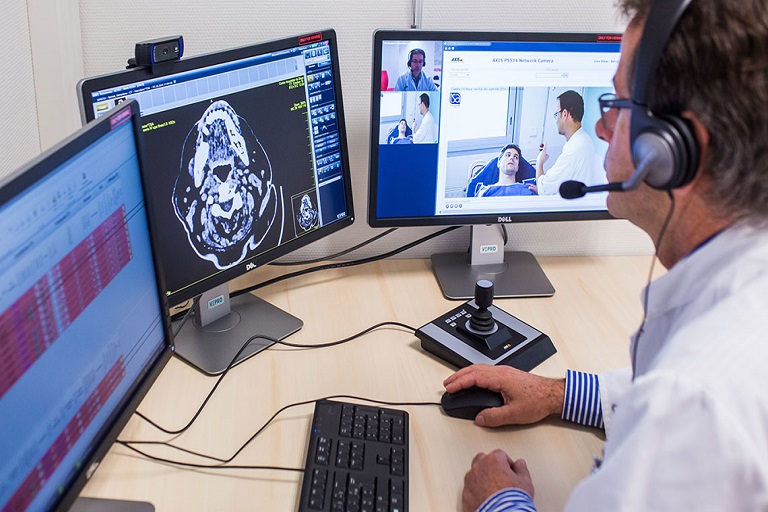
As promised, the Centers for Medicare and Medicaid Services expanded its Medicare telehealth coverage during the coronavirus crisis to enable more patients to get virtual care services from their doctors without having to travel to a healthcare facility covid-19 fight
WHY IT MATTERS
Under the expansion, Medicare will temporarily pay clinicians for telehealth services nationwide to help stem the spread of the novel coronavirus. Physicians, nurse practitioners, clinical psychologists and licensed clinical social workers can now offer telehealth to Medicare beneficiaries in any healthcare facility, including a physician’s office, hospital, nursing home or rural health clinic, as well as from their homes, according to CMS.
Medicare beneficiaries will be able to receive care, including common office visits, mental health counseling and preventive health screenings via remote technology. This helps ensure they don’t travel to clinics and hospitals where they could put themselves or others at risk of COVID-19.
Clinicians can bill immediately for dates of service starting March 6, 2020, said CMS officials, with telehealth services paid under the Physician Fee Schedule at the same amount as in-person services. Medicare coinsurance and deductibles still apply. The HHS Office of Inspector General is also adding flexibility for healthcare providers to reduce or waive cost-sharing for telehealth visits paid by federal healthcare programs. Providers can learn more with this fact sheet.
THE LARGER TREND
The Trump Administration announced an emergency declaration on March under the Stafford Act and the National Emergencies Act, broadening CMS’ support for telehealth benefits under the 1135 waiver authority and the Coronavirus Preparedness and Response Supplemental Appropriations Act. Before that, Medicare was only allowed to pay clinicians for telehealth services in certain circumstances, such as for patients in remote locations, and generally did not cover home-based virtual consults.
ON THE RECORD
“The Trump Administration is taking swift and bold action to give patients greater access to care through telehealth during the COVID-19 outbreak,” said CMS Administrator Seema Verma in a statement. “These changes allow seniors to communicate with their doctors without having to travel to a healthcare facility so that they can limit risk of exposure and spread of this virus. Clinicians on the frontlines will now have greater flexibility to safely treat our beneficiaries.”


