






























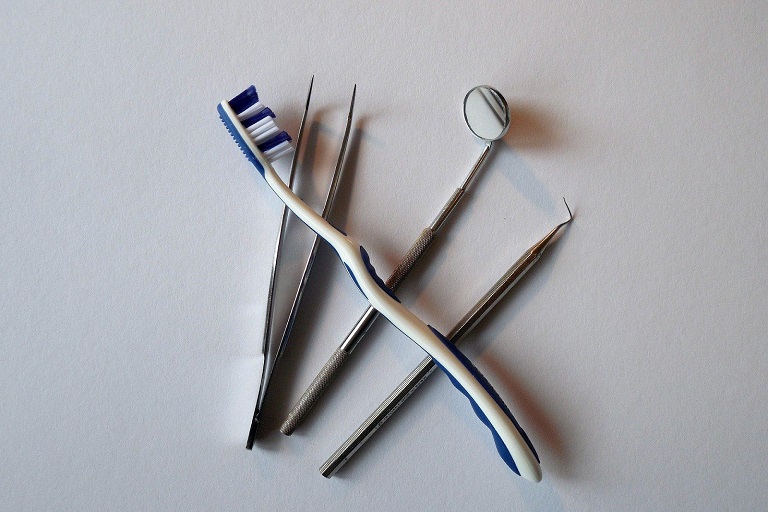
The overall health of the entire body has links to the health of the teeth and gums. Performing good oral hygiene through brushing and flossing is crucial at home, but the addition of regular dental cleanings is imperative. If the dentist finds that regular cleaning is not sufficient, deep cleaning will take place. This type of cleaning is necessary when there is significant oral hygiene neglect or when gum disease reaches an advanced level.
A dental office, including that of Lancaster Family Smiles, will remove tartar, bacteria, and any harmful debris embedded in the teeth and gums with deep cleaning. These elements are no longer capable of removal with standard brushing and flossing, requiring they have a more thorough removal process to make sure the teeth and gums have ample opportunity to heal.
Types Of Cleanings Dental Clinics Perform
The build-up of tartar increases the likelihood of more infestation of bacteria within the mouth leading to several oral health issues. The problem is not something an individual can handle with conventional methods; it requires dental intervention.
Clinics offer three main varieties of cleanings, including scaling and root planing, prophylaxis, and gross debridement. The ultimate goal for each is essentially the same. However, the methods are different, and the reasons for each technique varies.
- Routine cleaning, also referred to as ‘prophylaxis,’ takes place when a patient’s oral health is good, and the person only requires standard cleaning to maintain their oral conditioning. With this type, a dental hygienist will typically perform the procedure that involves removing any deep, hardened plaque or calculus that exists on the teeth as well as any developing stains from the surfaces. Prophylaxis might not have a purpose with teeth that are severely damaged but is an ideal option for teeth that are healthy, inclusive of at-home daily hygiene practices. The recommendation is to have these every six months. Learn what happens with a regular procedure at https://www.healthline.com/health/dental-oral-health/what-happens-during-a-tooth-cleaning.
- Deep cleaning procedures, also referred to as ‘scaling and root planing,’ are for those patients deemed to be ‘high risk’ for developing gum disease or those who are already in the throes of the disease. Excess plaque that doesn’t receive cleaning hardens turning into tartar, which has the potential for becoming gum disease or other severe mouth complications. Scaling and root planing scrapes the plaque from the teeth. Gum disease symptoms include bleeding or swollen gums as well as loose teeth.
- Dentists will administer a ‘gross debridement’ intended to recognize any tooth issue that may go undetected before the cleaning. The method is for patients who neglect to see a dental professional for a significant period, over a year, or those with a considerable build-up of hardened plaque over the teeth’s surface. The method removes all plaque from teeth and gums taking significant time to clean any teeth with damage and large areas of plaque.

A lot of people hesitate when it comes to cleaning with a dentist, mostly due to fear of potential pain associated with the procedure. The possibility of discomfort is real, but clinics provide for management and precautions to make their patients as comfortable as possible when the patient voices concern. Take this link to find out how often professional care may be necessary.
Anyone suffering from severe gum disease is likely to experience higher chances for an uncomfortable deep cleaning due to the increased bacteria and debris that needs removal. Depending on the person and their level of tolerance will dictate how the cleaning affects you. Some people can handle the procedure with no difficulty. And in some instances, the dentist uses numbing agents to assist in the process, such as an injectable anesthetic or topical gel.
Regular cleaning should take place at least every six months with a periodontal exam done with every other check-up. The exam allows the dentist to monitor gum conditioning and the depth of your pockets for overall oral wellness. Combine the professional routine preventative maintenance with good practices at home. Proper brushing and flossing techniques a few times every day will help to stave off gum disease. Good gum health is connected to the body’s overall health, making it that much more critical to engage in the optimum regimen of care.


