





























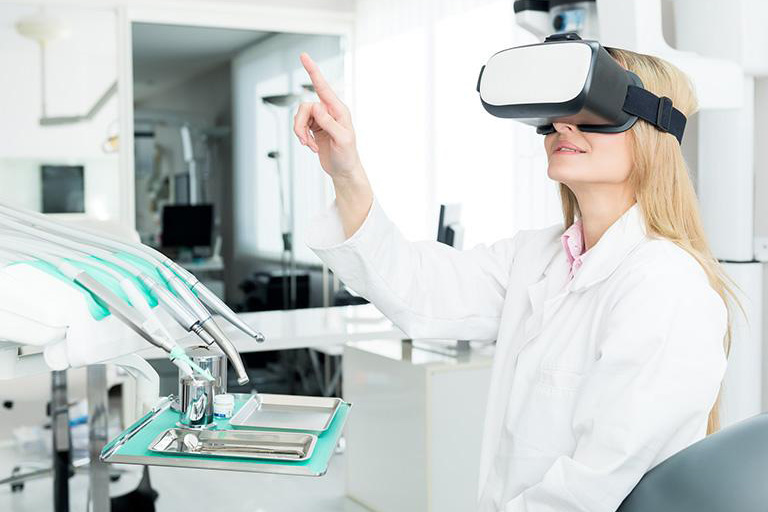
When it comes to technology, virtual reality has played a blinder in becoming the new innovation with the industry. We normally associate VR with the gaming industry, but the development in the technology has transformed more than just the eager gamer putting on a headset. It has made significant improvements in helping people with chronic pain, eyesight issues and other health conditions. Here are some examples of how virtual reality has changed the face of healthcare for the better.
Autism Therapy
According to research, there are over 1 in 100 people who suffer from an autism disorder, and at the moment there is no cure. However, there are methods that can help to improve the condition through language and speech therapy which is normally conducted by visiting a therapist or doctor.
Virtual reality has been used by particular companies like Floreo enhance this process, being able to provide the delivery of therapy more simple. Using mobile VR, social interactions can be created by putting virtual characters into a scene and creating a more visual learning experience. Virtual environments can also be tailored by doctors and therapists to adapt the sensory complexity.
Help Relax Patients
It can be extremely daunting for younger children and individuals to get nervous before they’re about to step into a surgery ward. They can be missing their family or be worried about the condition they have. Luckily, there’s an app from VisitU available that allows patients to get in touch with loved ones at any time of the day. It can also help with medical professionals maintaining relations with those at home to spare face to face conversations.
Medical Education
Due to the intensity created of a hospital environment, it can be difficult for students to gain a first-hand education on procedures by attending an operation and witness it with their own eyes. However, virtual reality has provided education with the closest version of it possible, allowing surgeons to stream operations using a virtual reality camera. There may be students in America who can overlook a doctor performing cosmetic surgery Manchester, UK based for example. Alternatively, VR goggles can be used where students are able to step into the operation room and gain real time access to the operating theatre.
Restoring Low Vision
There can be many reasons for low vision occurring in patients, the major reason can be age-related but other causes can include eye injury or large exposure to digital devices on a daily basis. Low vision can normally corrected through surgery, medicine or glasses. Products such as Iris Vision use VR technology enables patients to regain their sight through a VR experience. Creating a visual scene, the device enables patients to magnify desired objects without losing awareness of the overall environment. They also have the ability to amend the magnification, contrast, ambience level and other features of the environment.
From restoring low vision to improving health education, virtual reality technology is proving to be a revolution in the healthcare and medical industry, producing safe and cheaper ways for patients to better their lives from the experiences they’ve had with health-related issues. With such a large progression in what it has achieved so far, it would be no surprise if virtual reality is at the forefront of future healthcare solutions.


