























What Is the Lambda Variant? Here’s Why Experts Are Keeping an Eye on It
While the highly contagious Delta coronavirus variant continues to drive the surge in U.S. COVID-19 cases, another variant is starting to capture global attention.
Lambda (C.37) was listed as a variant of interest by the World Health Organization (WHO) in mid-June. It was first detected in Peru in December and is currently spreading throughout South America.
Genomic sequencing has identified 977 cases of COVID-19 that were caused by Lambda in the United States, according to data-sharing website GISAID. However, the Centers for Disease Control and Prevention (CDC) does not currently list Lambda as a variant of interest in the U.S.
Still, infectious disease experts—domestically and globally—are keeping an eye on it. Here’s everything they know about Lambda so far.
What is the Lambda variant?
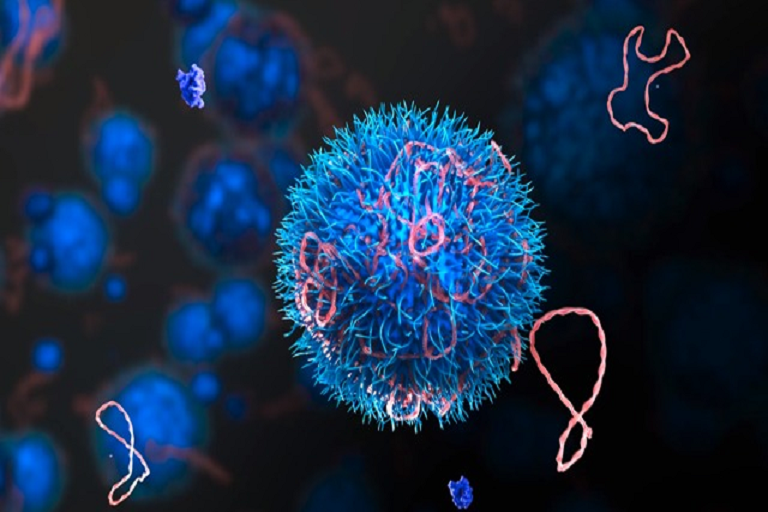
Lambda has genetic changes—including seven to the virus’s spike protein, the piece that latches onto human cells—that may increase the transmissibility of the virus, along with the severity of illness it causes. It has been found to cause “significant community transmission or multiple COVID-19 clusters” in various countries with spiking coronavirus cases, according to the WHO. Lambda may also interfere with the effectiveness of the available COVID-19 vaccines.
“It has spread to a number of countries in South America, as well as some countries that are more distant, like the U.K.,” says William Schaffner, M.D., an infectious disease specialist and professor at the Vanderbilt University School of Medicine. “And we’ve certainly had a few cases in the U.S.”
Why isn’t Lambda a variant of interest in the U.S.?
Lambda hasn’t spread enough throughout the country yet, according to CDC spokesperson Jasmine Reed. “The proportion of Lambda has never risen above 0.5% nationally and it peaked in July, but this lineage has been continually declining in proportion since that time,” Reed tells Prevention. “We will continue to monitor the Lambda lineage and if it increases above 1% in any region within a two-week interval it will be listed on the Variant Proportions page on the COVID Data Tracker website.”
Infectious disease experts believe the dominant Delta strain may be tamping down Lambda’s spread, preventing it from “gaining a major foothold,” says infectious disease expert Amesh A. Adalja, M.D., senior scholar at the Johns Hopkins Center for Health Security.
The WHO, however, is “more attuned to the fact that this has spread to several countries … Public health experts and virologists all have our eye on this,” Dr. Schaffner says. There’s currently slim data on Lambda compared to other variants, he says, but “studies are underway.”
There has been some research to suggest the Lambda variant may decrease the ability of vaccine antibodies to fight off the virus, but the data is “limited,” says Stanley Weiss, M.D., professor of medicine at the Rutgers New Jersey Medical School and professor of biostatistics and epidemiology at the Rutgers School of Public Health.
Dr. Adalja agrees, also noting we don’t have any concrete evidence “to say the vaccines don’t work” against the Lambda variant.
What are the symptoms of the Lambda variant?
The symptoms are thought to be the same as other novel coronavirus strains, Dr. Schaffner says. According to the CDC, those include:
Fever or chills
Cough
Shortness of breath or difficulty breathing
Fatigue
Muscle or body aches
Headache
New loss of taste or smell
Sore throat
Congestion or runny nose
Nausea or vomiting
Diarrhea
How to protect yourself from COVID-19
“We need to be very concerned about the pandemic, which remains a brewing ground for variants,” Dr. Weiss says. “Each variant that we learn about that gains widespread hold in a region clearly has properties that are worrisome.”
All of the infectious disease experts we spoke to stress the importance of getting vaccinated to protect yourself, your loved ones, and your community. “Vaccines are going to be able to prevent the severe consequences of infection, so that is the best way to prevent the Lambda variant from having any significant impact on your life,” Dr. Adalja says.
If you’re already vaccinated, Dr. Schaffner recommends following other preventive guidelines proven to reduce the spread of disease, like masking up indoors in areas of high COVID-19 transmission (you can check what’s happening in your area here) and practicing good hand hygiene. That’s especially true if you have vulnerable people in your household, including those with underlying conditions and kids under the age of 12 who aren’t yet eligible to be vaccinated.
This content is created and maintained by a third party, and imported onto this page to help users provide their email addresses. You may be able to find more information about this and similar content at piano.io


