























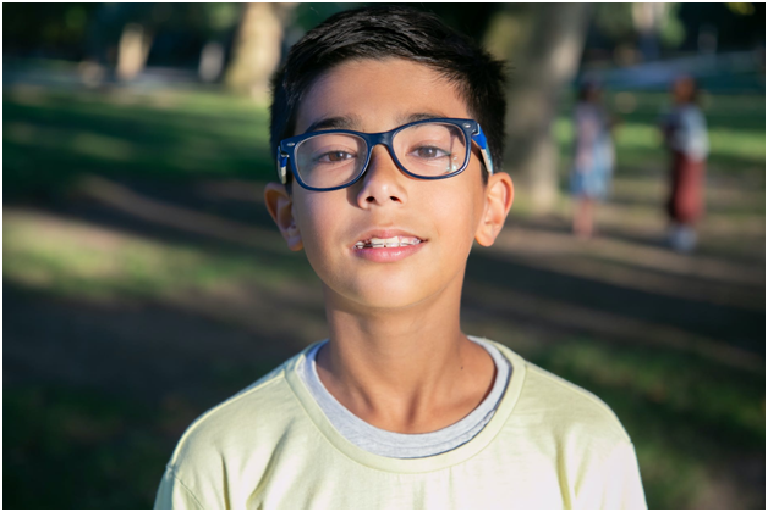
What To Do When Your Eyesight Is Failing At A Young Age
The sense of sight is one of the most precious senses that you possess. Ideally, kids, teens, and young adults should have 20/20 vision at their age. However, not all are fortunate enough to have perfect vision up until their advanced ages. Some experience signs of vision problems and failing eyesight at an early age. While it may be troubling to know that your eyesight can fail at a young age, the good news is that medical technology can help mitigate the damage or restore your vision with prompt and proper treatment.
Here, we will share some pieces of advice on what to do when your eyesight is failing at a young age.
Consult an Ophthalmologist
Have your eyes examined by an ophthalmologist to determine the cause of your failing eyesight. There can be various reasons for deteriorating vision, and these can include vitamin A deficiency, a bacterial or viral infection of the eye, corneal scarring, or an eye tumor among other reasons. Your ophthalmologist can assess if your vision can be corrected non-invasively using glasses, contacts, and vision-correcting devices or if restoring your vision needs surgical treatment. Eye experts and practitioners of eye surgery Abilene Texas area recommend getting cataracts, pterygium (surfer’s eye), and glaucoma surgically treated early to prevent further deterioration and permanent loss of vision in the eyes. You can discuss with your ophthalmologist which surgical treatment option is the best for you, how soon should you get your eyes treated, and the extent of the surgery.
Always Put on Protective Eyewear
Having poor eyesight can put you at a higher risk for eye damage caused by ultraviolet (UV) rays than those with normal vision. However, you can protect your eyes by wearing sunglasses with UV protection features. Protecting your eyes from frequent UV exposure helps prevent adverse eye conditions, such as cataracts and macular degeneration, from developing. Wear specialized protective eyewear when you are playing sports, working in shops or laboratories, or when you are doing any activity that could potentially damage or injure your eyes.
Develop Good Eye Health Habits

Keep your fragile eyes from being strained by reducing your screen time on computers, television, smartphone, and other visual gadgets. If you need to work using your computer regularly, reduce eye strain by blinking more and by looking around the room or office for at least 20 seconds before going back to the computer screen. Eat foods rich in vitamin A, such as carrots, spinach, broccoli, squash, dairy products, and liver to promote eye health and keep your eyesight stable.
Get Regular Health Checkups
Even though your eyesight is already failing, there are still things you can do to prevent further damage to your eyes. Health conditions like diabetes and high blood pressure and diseases like juvenile rheumatoid arthritis, Lyme disease, measles, and autoimmune diseases can affect your vision, aggravate your current eye condition, or cause new problems to your eyes. Visit your doctor at least once a year to have your overall health condition checked and if any medical conditions can affect your eyes. Prevention is still a measure to take even if you have compromised vision.
There are various causes of deteriorating eyesight at a young age, and thankfully, eye specialists can help you recover and get your vision back. It can be unfortunate to have failing eyesight at an early age but it also changes your perspective about things. It teaches you to appreciate your sense of sight and the importance of taking care of your eye health. Always take care of your eyes and see the beauty of the world in vivid colors.


