







































What to Know About Spinal Surgery
With its complex network of bones, discs, and nerves, the spine is incredibly important to our movement and health. However, spinal surgery is a feasible therapy option when spinal problems occur and conventional therapies are ineffective. The article digs into the subject of spinal surgery, revealing its need.
Understanding the Need for Spinal Surgery
Spinal surgery is a medical technique used to treat various spine-related diseases. When conventional therapies like medicine, physical therapy, or shots have failed to relieve symptoms or when the illness is severe and progressing, it is often advised. Spine surgery is often necessary to treat underlying conditions such as spinal abnormalities, herniated discs, spinal canal stenosis, spinal column fractures, or spinal malignancies. It is crucial to comprehend the precise causes for contemplating spinal surgery and to explore these causes with your healthcare professional extensively.
Types of Spinal Surgery Procedures
The choice of spinal surgery relies on the underlying illness and personal variables. There are several sorts of surgeries. Spinal fusion, which joins several vertebrae together to strengthen the spine; discectomy (removal of herniated disc material); laminectomy (removal of the lamina to relieve pressure on nerves); and artificial disc substitution (removal of a damaged disc and replacement with an artificial disc) are some common vertebral surgeries. Each operation has unique indications, advantages, and potential hazards, which your surgeon should thoroughly explore before proceeding.
Preparing for Spinal Surgery
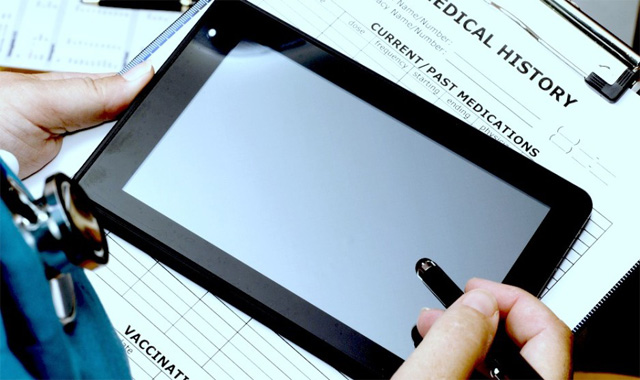
There are numerous crucial processes involved in getting ready for spine surgery. You will go through a thorough assessment, including a physical exam, imaging tests (such as X-rays, MRIs, or CT scans), and a medical history review. Your surgeon will review the surgical process, potential dangers, side effects, preoperative instructions, fasting restrictions, and prescription modifications. It’s imperative to adhere to all preoperative instructions, which may involve discontinuing some medicines, giving up smoking, and maintaining general health and fitness.
The Surgical Process and Recovery
Anesthetic is frequently used during spinal surgery to keep you relaxed and pain-free throughout the treatment. An incision is made, the afflicted portion of the spine is accessed, and the appropriate corrections are made. Following the procedure, you will be attentively watched in a recovery area before being moved to a hospital room or sent home. The length of recovery varies based on the type of surgery done and personal characteristics. Physical therapy, limits on specific activities, and follow-up consultations with your surgeon to track recovery and treat any issues or potential consequences may all be part of it.
Risks and Complications
Spinal surgery has risks and possible problems, just like any surgical operation. These can include infection, bleeding, nerve damage, blood clots, anesthesia-related responses, or the surgical procedure failing to relieve the symptoms. To completely comprehend these dangers and the possible results particular to your circumstance, you must have an honest conversation with your surgeon. You may take the required measures and decide whether to have surgery by being mindful of the potential problems. If you live in the southwest and want to reduce these risks and increase the likelihood of a successful treatment, selecting a spine surgeon in Phoenix with expertise and competence is crucial. Following your surgeon’s postoperative recommendations, rapid recovery and reduced risk of problems can be considerably aided by adequate physical therapy and attendance at follow-up consultations.
Alternatives and Second Opinions
It is strongly advised to investigate alternative treatments alternatives and think about getting a second opinion before deciding on spinal surgery. In some circumstances, conservative therapies like physical therapy, medicine, or injections may still be able to relieve your symptoms or even put off having surgery significantly. You may make an educated choice that aligns with your objectives and preferences by investigating these options under your healthcare professional’s advice and learning about each strategy’s possible advantages and disadvantages. Getting a second opinion from a skilled spine expert can also offer important views and insights into the situation and the suggested course of action. It enables you to comprehend your alternatives and learn more about them fully.
Conclusion
Spinal surgery is a challenging medical treatment that needs careful thought and discussion with medical experts. Making educated choices about spinal surgery requires a thorough understanding of the indications for surgery, the various types of procedures available, the planning process, the surgical encounter and recovery, potential risks, and complications. It also requires investigating alternatives and getting second opinions. By being knowledgeable and proactive, you may confidently manage the procedure and increase your chances of effective results and better spinal health.


