


























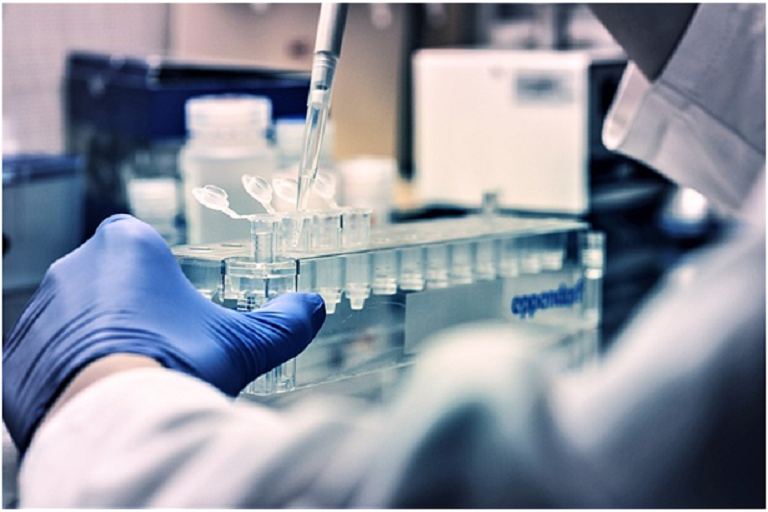
What You Need to Know about Batch Release Testing
Medicines produced by manufacturers pass through several testing from independent bodies to ensure that they are suitable for use. One of the most well-known procedures in the pharmaceutical industry is batch release testing.
Therefore, in this short but detailed article, we will discuss the important things you need to know about batch release testing and why it is necessary for the pharmaceutical industry.
Without further ado, let’s get started…
Novel biological drugs and products are manufactured yearly to combat all kinds of diseases. The Food and Drug and Administration (FDA) have approved 46 novel drugs so far in 2021. Visit https://www.fda.gov/ to check out the list of the novel approved drugs by the FDA as well as their active ingredient and approval date.
One of the requirements necessary for the approval of biological drugs by the FDA is that the said drug or biological product must have undergone batch release testing. This process is all part of the cGMP (Current Good Manufacturing Practice) that all manufacturers are expected to adhere to.
The cGMP is defined and enforced by the FDA which is why a biological drug that doesn’t comply with the guideline will not be approved by the Food and Drug Administration. When the cGMP guidelines are followed, customers can be sure that the products are not only safe for use but also effective. While some other conditions and practices make up the cGMP regulations, batch release testing is of utmost importance.
Batch release testing is a process whereby a manufacturer tests a sample batch of drugs to confirm that they are safe and effective. The results will determine if the drugs can be used or will be destroyed. For the product to be deemed safe as well as effective, each set that is tested must remain consistent with the previous set that has already been deemed safe as well as effective.
This process can be said to have begun over a century ago. For example, in the United Kingdom, the 1925 Therapeutic Substances Act serves as the basis for this practice.
These days, analytical technologies are used to carry out batch release testing to make sure that each tested group meets the required product specification in accordance with FDA cGMP regulations and the CTD (Clinical Trial Dossier) as well as the MA (Marketing Authorization).
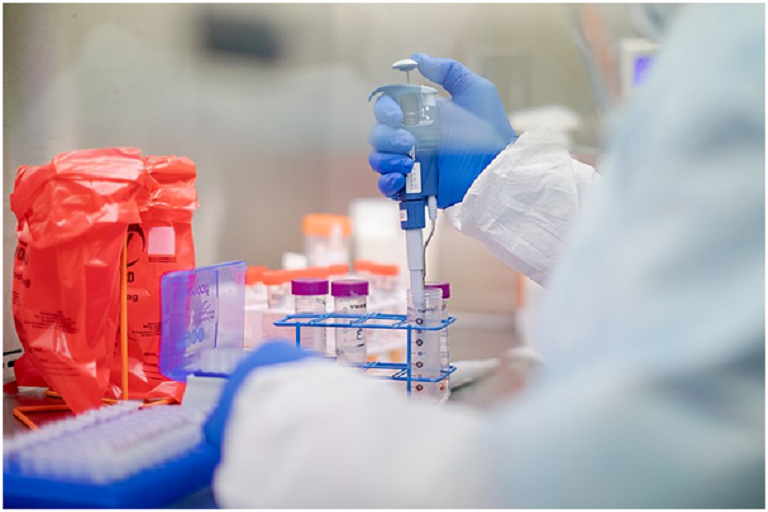
The technology used these days can perform comprehensive analysis resources that will work for any type of product which includes mass spectrometry, biophysical, spectroscopy, and chromatography.
Hence, APIs (active pharmaceutical ingredients), IMPs (investigational medicinal products, as well as finished products which include biologics (e.g. viral vectors, bispecific antibodies, biosimilars, and monoclonal antibodies), oligonucleotides, and inhaled drugs can be easily tested.
Although a manufacturer can choose to perform batch release testing, however, it is wise to outsource to independent laboratories. In most cases, laboratories used are those that work or are approved by the government. Hence, the results they get are accepted nationwide.
As we said earlier, this process is important especially when it comes to vaccines that are gotten from purified human blood components or living cells. Since their natures are complex, rigorous testing becomes important since the production of these biological products isn’t easily controlled compared to chemical-based drugs.
Due to the above, manufacturers are expected to conduct batch testing to ensure that each lot meets the standard and quality of the previous or original approved lot.
The focus of batch release testing is majorly on safety and efficiency or potency. Thanks to the wealth of experience over the years, manufacturers now know the factors they need to measure to ascertain the safety of a medicine. When it comes to blood-derived products, manufacturers screen for bacteria-produced toxins and viral material present in the medicine. These are just some of the factors that are measured.
Efficiency or potency, on the other hand, deals with the active ingredient’s functionality. In other words, it measures how effective or potent the active ingredient is. To determine this, several laboratory tests are conducted. Click here to read more about active ingredients.
For example, one of the ways to determine the potency or efficiency of a vaccine is to check the active ingredient’s amount. Apart from the present amount of the active ingredient, the ingredient’s shape is also a factor that is analyzed. This analysis will help to determine if the immune system of humans will be able to identify the active ingredient correctly.
Conclusion
Batch release testing is a process used by manufacturers to confirm the safety and efficiency of their drugs. This process is necessary as it is part of the cGMP regulations defined and enforced by the FDA.
Therefore, this testing process ensures that the manufacturers get their drugs approved and the consumers get quality and efficient products.


