


























What You Need to Know About Physiotherapy
Physiotherapy is a mainstay in the field of medicine. It involves using physical techniques to remedy injuries, sickness and degenerative diseases among others.
You will also reduce the amount of pain you feel in your joints and other areas of your body using physiotherapy. You will have increased mobility and your body will be strong enough to prevent future injuries.
Physiotherapy is normally associated with serious sports or road accidents. However, physiotherapy is and can be used for a lot more than that.
There is much to know about physiotherapy. The following are some facts you should know:
Physiotherapists are Primary Practitioners
For most people, going to physiotherapy is the result of their general practitioner’s recommendation. You should know that physiotherapists are primary practitioners as well.
What that means is that you do not need a referral to go to a physiotherapist. You can go to one directly as long as you have a physical ailment or injury.
Physiotherapists are well suited to diagnose your condition and determine the treatment you will need. If they don’t think you should see a physiotherapist, they will refer you to another doctor.
Treatment is Both Hands on and Hands Off
There is an assumption that all treatments done by physiotherapists are manual. They use a wide range of techniques and equipment to address health issues.
Treatments such as massages, joint manipulations and mobilizations require a hands-on approach. On the other hand, treatment such as stretching and strength training will often take a hands-off approach.
New treatments such as electric stimulation and muscle stimulation will use devices meaning that the physiotherapist will not be touching you. Moreover, a lot of the exercise you will be doing in treatment will be done alone but with supervision.
Physiotherapists Treat a Wide Range of Conditions
Physiotherapists are qualified health professionals who have undergone at least four years of a Bachelor’s degree. Therefore, they are very competent and in a position to address many health issues.
You don’t need to go to a physiotherapist only when you have a sprained ankle or neck pain though they will certainly help you with that. They can also help you address diseases such as arthritis, scoliosis and help to improve pelvic health.
Physiotherapists will liaise with surgeons to ensure complete recovery after the surgery. Most of the work done in this regard will include musculoskeletal physiotherapy.
Physiotherapists will help treat conditions in other medical fields such as cardiorespiratory and neurological diseases. Some physiotherapists also work with animals.
Physiotherapy Focuses on Your Goals Not Theirs
When you go to see a physiotherapist, they will first assess and diagnose your condition. They will then come up with a treatment plan.
The main difference between a physiotherapy treatment plan and others is that you are actively involved in the plan. The experts at thegotophysio.com give an example of what a physiotherapy treatment plan is like. The plan will include formulating your own goals and the physiotherapist will help you set them.
It does not matter whether your goal is to walk again or to improve performance on the sports field, the physiotherapist will do what they can to help you reach your goal. A lot of it is actually up to you in physiotherapy.
Self Management is Key in Physiotherapy
A key facet of physiotherapy is to help the patient help themselves. Physiotherapists treat hundreds of patients and they might not always be there to help you.
Moreover, they will give you exercises which you can do yourself to aid your recovery. Therefore, it will require discipline and self management to ensure you do neither too little or too much and aggravate your injury or sickness.
Even the stretching and strength training programs will include a lot of self management. Ultimately, you will be responsible for your progress in physiotherapy as there is only so much the physiotherapist can do.
There Will Be Homework
For most treatments, all you have to do when you get home is swallow your medicine. However, there is much more you have to do at home in physiotherapy.
If you go to see a physiotherapist, you should know that there will be homework. Regaining mobility, strength and other physical attributes is not something you can only do at the physiotherapist’s office.
The homework is meant to develop your ability for self management. It will also help develop habits that you can carry on after your physiotherapy sessions are done.
Injury Prevention is a Vital Goal
One of the key elements of physiotherapy is to prevent you from suffering from injuries farther down the road. Physiotherapy is by no means a quick fix and that goal is accomplished in several ways.
One way is by strengthening the muscles in the body to be able to handle greater loads. It also involves strengthening and improving mobility in the joints so as to better handle forces such as changes of direction.
Prevention is the key in medicine but many medical fields have forgotten that. Physiotherapy is a field of medicine that is truly concerned with long term optimal health.
Physiotherapy is About Education
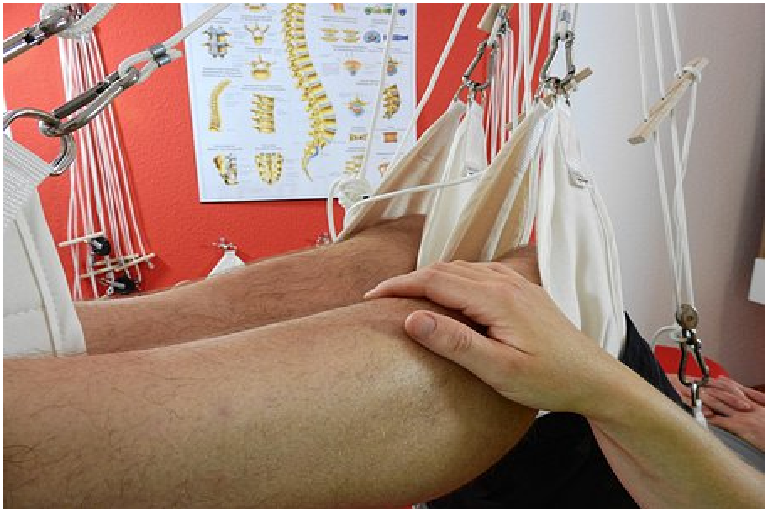
Education is a vital tenet of physiotherapy especially when recovering from illness and injuries. It is also important in learning how to address pain which is one of the main reasons why people visit physiotherapists.
Chronic pain is a condition that affects at least 40% of all American citizens. Therefore, learning to manage pain will help very many people lead healthy lives.
Knowledge is vital when learning how to improve your strength and mobility. The physiotherapists will teach you a lot if you are willing to learn about how you can prevent future injuries, stretch your joints and improve performance among other things.
Education is crucial for physiologists as well as they are always new developments in the field. They need to keep learning and updating their knowledge if they are to give patients the best treatment.
There is much to know about physiotherapy as stated above. The points in the article are only a fraction and you should strive to find out more on your own. The crucial thing to know is that physiotherapy is a long term solution to health and knowledge is the key.


