


















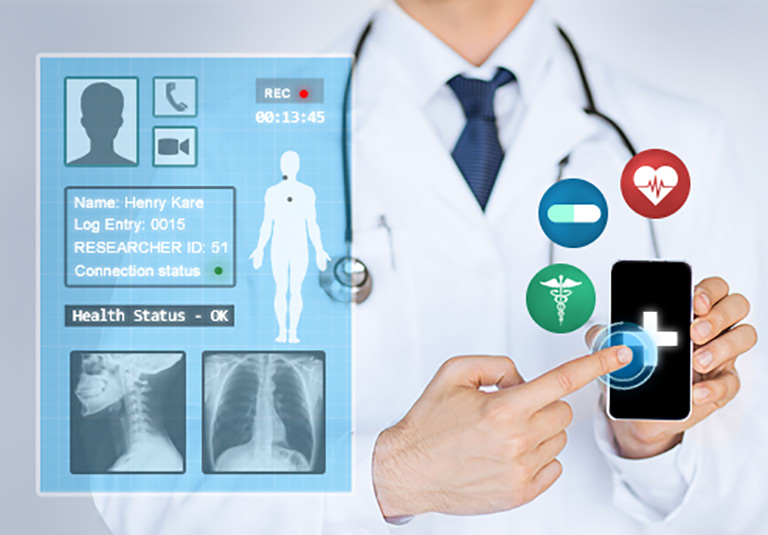
4 Reasons Why Healthcare Companies Are Using Online Record Keeping
The recent trend sweeping the board in medical practice is to make the transition from hand-written patient records to electronic health records. Results published by The Office of the National Coordinator for Health Information Technology showed that over the ten-year-period from 2008 to 2018, adoption of electronic health records doubled, and now over 90% of office-based physicians use this system. But why have so many healthcare providers made the switch, and how (in a discipline where new initiatives can take a while to become mainstream) has adoption happened so quickly? Here are four reasons why electronic health records are beneficial for both patient and provider.
Improved Patient Care
Electronic health records significantly improve the standard of patient care that medical providers can offer. More frequently, patients no longer have just a primary care provider: they may also have specialist physicians for a multitude of reasons, and their health status may change at any time. At various points throughout their lives, patients may need a physiotherapist, a chiropractor, an OB-GYN, or any other niche practitioner who will need to care for them in conjunction with their GP to ensure they get the most appropriate care program for their needs. An electronic document management system allows different providers to exchange patient information securely and accurately so that, at all times, everyone involved knows the patient status.
More Efficient Practices
There are many reasons why a patient may need to access their health records or health test results. Back in the day of hand-written patient notes, documents and copies got lost, resulting in duplicate copies being made or (in worst-case scenarios) tests and x-rays having to be re-run altogether. Both cost money, which hit the patient’s pocket or office budget. Having an electronic health record system allows all documents to be stored up in the cloud, able to be accessed at the click of a button.
But the benefits aren’t purely cost-related: a digital system speeds up processes, leading to a more efficient office all round. Doctors can share lab tests quicker; patients can pull off the information they need when they need it rather than going through a prolonged administration process; and no longer are precious appointments required for non-urgent matters and instead these can be given to patients who really need it.
Customer Expectations
In this day and age, medical healthcare providers are expected to operate from an electronic health records system. Both government bodies and patients alike no longer view a digital database as something innovative; it has now become commonplace and, in fact, if you don’t have records stored digitally, you’re seen as being behind the times – even archaic. So, to ensure they don’t miss out on attracting new patients (and risk losing those they do have), medical providers are adopting this new method of record-keeping to stay current, ahead of the curve, and an attractive choice as a medical provider.
Healthier Patients
When a patient has access to their health records, he or she becomes more involved in their overall well-being. They can see what check-ups they have coming up, see what vaccinations are due, and work better with their doctor to come up with (and follow) a regimen to work on any health issues they may be experiencing. Electronic health records open up the opportunity to engage in a more collaborative approach to medicine, where patient and doctor work together to help the patient better understand their health situation and their route to recovery.
If you’re responsible for an extensive database of records, or if you hold a health record yourself and would like it to be more accessible, wouldn’t you love a system that not only helped the whole process of record-keeping become more efficient but also made your medical database a more useful tool? Well, now you can. If you haven’t done so already, go digital with your health records and see the difference it makes to you.


