



































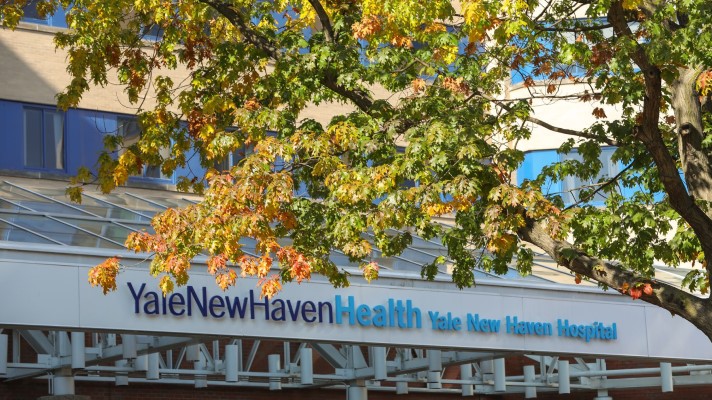
Earlier this year in New Haven, Connecticut, the location of Yale New Haven Health’s main hospital, the health system was challenged by how many COVID-19 patients would need to be admitted and ventilated.
THE PROBLEM
The health system wanted to ensure its respiratory therapists and other clinicians could continue to deliver high-quality care amid a surge of patients. The concern, in part, stemmed from the influx of coronavirus patients admitted to the health system’s Greenwich hospital, in proximity to New York City, and even closer to New Rochelle, New York, believed to be the origin of some of the first U.S. cases. That hospital had more than 25 patients in ICU when it normally has five or six.
By late April, the health system had more than 300 patients on ventilators across Yale New Haven Health, which can pull its respiratory therapists in numerous directions all at the same time. The therapists each were being asked to monitor more ventilators than normal, often three times their normal loads.
In addition, because COVID-19 is so contagious, the health system kept those patients in their own rooms and had the respiratory therapists don personal protective gear, still in short supply, when they rounded and responded to alerts. This extra step and the critical condition of patients made monitoring more challenging and raised concerns about alarm fatigue and clinician burnout.
PROPOSAL
“Fortunately, Yale New Haven Health had a previous relationship with Capsule Technologies for its device integration and clinical surveillance system,” said Chris Gutmann, system director of IT and clinical engineering at Yale New Haven Health. “These technologies supported our InSight TeleICU program where specialists from our New Haven hospital remotely consult with nurses and physicians in sister locations.”
The TeleICU program combines data from the health system’s Epic EHR and medical device data captured from the remote hospital to drive consultation. It offers real-time device data and insight to the New Haven specialists who may be more than 100 miles away. Such insights are enormously helpful, Gutmann said.
“In early 2020, before COVID-19 was named a pandemic or any known cases were in the U.S., we planned for our upcoming flu season and determined that our respiratory therapists should have a similar real-time perspective to monitor approximately 120 ventilated patients with influenza admitted every season,” he explained.
Capsule Technologies offered its Ventilated Patient Surveillance (VPS) workstation, which remotely analyzes streaming live data from ventilators and escalates emergent clinically actionable events to respiratory therapists, pulmonologists and intensivists. Ventilators are not typically connected for surveillance.
MARKETPLACE
There are many vendors of remote patient-monitoring technologies and services on the health IT market today. Healthcare IT News recently compiled a comprehensive guide to connected health and remote patient-monitoring technology vendors. To access this special report, click here.
MEETING THE CHALLENGE
With the COVID-19 outbreak, Yale New Haven Health accelerated the several-month timeline for implementing the VPS workstation, and Capsule worked with the health system to have it operational for a pilot project in less than four weeks.
“We launched the VPS workstation with 60 patients on our Vyaire Avea and Puritan Bennett ventilators,” said Samantha Herold, clinical systems engineer at Yale New Haven Health. “The ventilator data was combined with EHR information to give the respiratory therapists greater context about the patient status, which can result in a more effective intervention.”
Because of staffing limitations, the health system was only able to monitor patients through the technology from 8 a.m. to 5 p.m. During this time, a respiratory therapist operates the VPS workstation and communicates via smartphones with respiratory therapists on the floor about trends and alerts they observe. If an in-person response is required, the floor therapist will don the PPE, enter the room and care for the patient, or check on the status of the alarm.
“The respiratory therapist operating the VPS workstation can safely investigate and resolve certain alerts using the technology, which saves time and preserves the safety of frontline nurses and respiratory therapists,” Herold explained.
RESULTS
While Yale New Haven Health does not have any hard metrics yet (since it’s very early), the plan to network and monitor ventilated patients was successful, albeit on a much more rapid schedule, Herold reported.
“We plan to expand the centrally monitored ventilators to 270 from 60 by year’s end,” she said. “Eventually, we would plan to have the entire system’s 375 ventilators on the vent surveillance network, though our server infrastructure could accommodate up to 450 devices.”
The centralized view of ventilated patients from the VPS workstation also leads to more timely interventions because the respiratory therapist using the technology has a real-time view of the data and can communicate with the floor therapist closest to the patient, she added. The interventions are not only timely, but also more contextually informed because the VPS workstation includes data from the EHR as well, she said.
“Through its smart alerts feature, Capsule also helped us optimize the VPS workstation to eliminate some of the nuisance alerts our respiratory therapists received,” she noted. “The smart alerts build context around the device’s notification to help the clinician decide if it requires an in-person response.
“In addition, early on we would receive alerts that a ventilator had become disconnected, one of the most critical alerts to which our clinicians need to respond to protect patients,” she said. “Once the ventilator was reconnected, the equipment, however, would continue to alert the therapist of a disconnected device.” Capsule, along with the health system’s engineering team, corrected the error, which reduced alarm fatigue and the risk of burnout, she explained.
ADVICE FOR OTHERS
“Building a great engineering team is essential to support large medical device integrations like ours,” Gutmann advised. “I don’t believe our COVID-19 or any of our other integration initiatives would have been possible without the seven members of our motivated and dedicated engineering team. They always help us see the potential impact of new technology and collaborate with our vendors to better help our frontline caregivers.”
Conducting a needs assessment to determine where a medical device integration and clinical surveillance system would be most beneficial also is important, he said.
“We recognized such a need early on to improve the efficiency and efficacy of physician consultations between our main hospital and other locations, resulting in the InSight TeleICU program,” he concluded. “The real-time insight from the integrated device and clinical surveillance system helped that program be successful and prepared us for the VPS workstation project, which I believe has resulted in better care for our patients with COVID-19.”


