









































Events Calendar

Mon
Tue
Wed
Thu
Fri
Sat
Sun
M
T
W
T
F
S
S
1
2
3
4
5
6
7
9
11
12
13
14
16
17
19
20
21
27
28
1
2
3
4
5
6
7
Psychiatry and Psychological Disorders
2021-02-08 - 2021-02-09    
All Day
Mental health Summit 2021 is a meeting of Psychiatrist for emerging their perspective against mental health challenges and psychological disorders in upcoming future. Psychiatry is [...]
Nanotechnology and Materials Engineering
2021-02-10 - 2021-02-11    
All Day
Nanotechnology and Materials Engineering are forthcoming use in healthcare, electronics, cosmetics, and other areas. Nanomaterials are the elements with the finest measurement of size 10-9 [...]
Dementia, Alzheimers and Neurological Disorders
2021-02-10 - 2021-02-11    
All Day
Euro Dementia 2021 is a distinctive forum to assemble worldwide distinguished academics within the field of professionals, Psychology, academic scientists, professors to exchange their ideas [...]
Neurology and Neurosurgery 2021
2021-02-10 - 2021-02-11    
All Day
European Neurosurgery 2021 anticipates participants from all around the globe to experience thought provoking Keynote lectures, oral, video & poster presentations. This Neurology meeting will [...]
Biofuels and Bioenergy 2021
2021-02-15 - 2021-02-16    
All Day
Biofuels and Bioenergy biofuel is a fuel that is produced through contemporary biological processes, such as agriculture and anaerobic digestion, rather than a fuel produced [...]
Tropical Medicine and Infectious Diseases
2021-02-15 - 2021-02-16    
All Day
Tropical Disease Webinar committee members invite all the participants across the globe to take part in this conference covering the theme “Global Impact on infectious [...]
Infectious Diseases 2021
2021-02-15 - 2021-02-16    
All Day
Infection Congress 2021 is intended to honor prestigious award for talented Young Researchers, Scientists, Young Investigators, Post-Graduate Students, Post-Doctoral Fellows, Trainees in recognition of their [...]
Gastroenterology and Liver Diseases
2021-02-18 - 2021-02-19    
All Day
Gastroenterology and Liver Diseases Conference 2021 provides a chance for all the stakeholders to collect all the Researchers, principal investigators, experts and researchers working under [...]
World Kidney Congress 2021
2021-02-18    
All Day
Kidney Meet 2021 will be the best platform for exchanging new ideas and research. It’s a virtual event that will grab the attendee’s attention to [...]
Agriculture & Organic farming
2021-02-22 - 2021-02-23    
All Day
                                                  [...]
Aquaculture & Fisheries
2021-02-22 - 2021-02-23    
All Day
We take the pleasure to invite all the Scientist, researchers, students and delegates to Participate in the Webinar on 13th World Congress on Aquaculture & [...]
Nanoscience and Nanotechnology 2021
2021-02-22 - 2021-02-23    
All Day
Conference Series warmly invites all the participants across the globe to attend "5th Annual Meet on Nanoscience and Nanotechnology” dated on February 22-23, 2021 , [...]
Neurology, Psychiatric disorders and Mental health
2021-02-23 - 2021-02-24    
12:00 am
Neurology, Psychiatric disorders and Mental health Summit is an idiosyncratic discussion to bring the advanced approaches and also unite recognized scholastics, concerned with neurology, neuroscience, [...]
Food and Nutrition 2021
2021-02-24    
All Day
Nutri Food 2021 reunites the old and new faces in food research to scale-up many dedicated brains in research and the utilization of the works [...]
Psychiatry and Psychological Disorders
2021-02-24 - 2021-02-25    
All Day
Mental health Summit 2021 is a meeting of Psychiatrist for emerging their perspective against mental health challenges and psychological disorders in upcoming future. Psychiatry is [...]
International Conference on  Biochemistry and Glyco Science
2021-02-25 - 2021-02-26    
All Day
Our point is to urge researchers to spread their test and hypothetical outcomes in any case a lot of detail as could be ordinary. There [...]
Biomedical, Biopharma and Clinical Research
2021-02-25 - 2021-02-26    
All Day
Biomedical research 2021 provides a platform to enhance your knowledge and forecast future developments in biomedical, bio pharma and clinical research and strives to provide [...]
Parasitology & Infectious Diseases 2021
2021-02-25    
All Day
INFECTIOUS DISEASES CONGRESS 2021 on behalf of its Organizing Committee, assemble all the renowned Pathologists, Immunologists, Researchers, Cellular and Molecular Biologists, Immune therapists, Academicians, Biotechnologists, [...]
Tissue Science and Regenerative Medicine
2021-02-26 - 2021-02-27    
All Day
Tissue Science 2021 proudly invites contributors across the globe to attend “International Conference on Tissue Science and Regenerative Medicine” during February 26-27, 2021 (Webinar) which [...]
Infectious Diseases, Microbiology & Beneficial Microbes
2021-02-26 - 2021-02-27    
All Day
Infectious diseases are ultimately caused by microscopic organisms like bacteria, viruses, fungi or parasites where Microbiology is the investigation of these minute life forms. A [...]
Stress Management 2021
2021-02-26    
All Day
Stress Management Meet 2021 will be a great platform for exchanging new ideas and research. It’s an online event which will grab the attendee’s attention [...]
Heart Care and Diseases 2021
2021-03-03    
All Day
Euro Heart Conference 2020 will join world-class professors, scientists, researchers, students, Perfusionists, cardiologists to discuss methodology for ailment remediation for heart diseases, Electrocardiography, Heart Failure, [...]
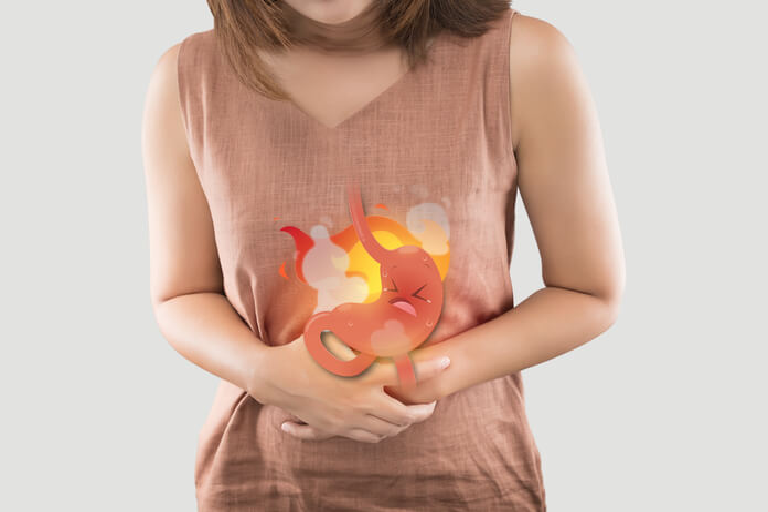
Gastroenterology and Digestive Disorders
2021-03-04 - 2021-03-05    
All Day
Gastroenterology Diseases is clearing a worldwide stage by drawing in 2500+ Gastroenterologists, Hepatologists, Surgeons going from Researchers, Academicians and Business experts, who are working in [...]
Environmental Toxicology and Ecological Risk Assessment
2021-03-04 - 2021-03-05    
All Day
Environmental Toxicology 2021 you can meet the world leading toxicologists, biochemists, pharmacologists, and also the industry giants who will provide you with the modern inventions [...]
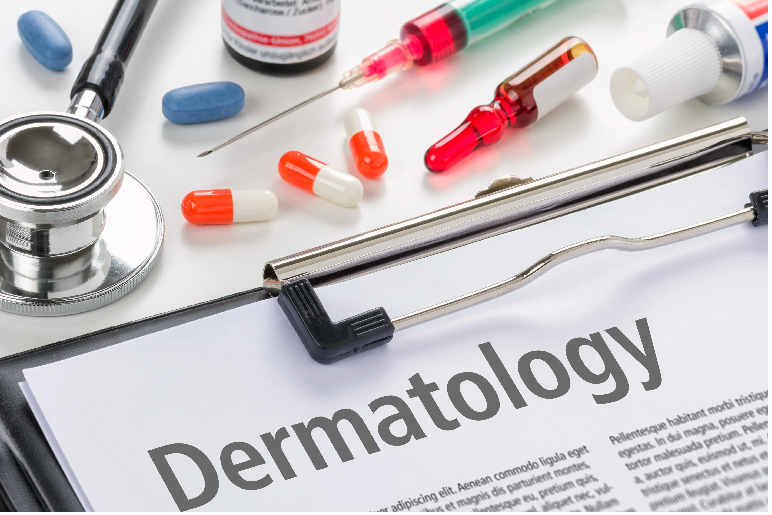
Dermatology, Cosmetology and Plastic Surgery
2021-03-05 - 2021-03-06    
All Day
Market Analysis Speaking Opportunities Speaking Opportunities: We are constantly intrigued by hearing from professionals/practitioners who want to share their direct encounters and contextual investigations with [...]
Events on 2021-02-08
Events on 2021-02-18
Events on 2021-02-24
Events on 2021-03-03
Events on 2021-03-05
Articles

10 tips for healthy eating with diabetes

1. Choose healthier carbohydrates
All carbs affect blood glucose levels so it’s important to know which foods contain carbohydrates. Choose the healthier foods that contain carbs and be aware of your portion sizes.

Here are some healthy sources of carbohydrate:

whole grains like brown rice, buckwheat and whole oats
fruit
vegetables
pulses such as chickpeas, beans and lentils
dairy like unsweetened yoghurt and milk.
At the same time, it’s also important to cut down on foods low in fibre such as white bread, white rice and highly-processed cereals. You can check food labels when you’re looking for foods high in fibre if you’re unsure.

2. Eat less salt
Eating lots of salt can increase your risk of high blood pressure, which in turn increases risk of heart diseases and stroke. And when you have diabetes, you’re already more at risk of all of these conditions.

Try to limit yourself to a maximum of 6g (one teaspoonful) of salt a day. Lots of pre-packaged foods already contain salt so remember to check food labels and choose those with less salt. Cooking from scratch will help you keep an eye on how much salt you’re eating. You can also get creative and swap out salt for different types of herbs and spices to add that extra flavour.

3. Eat less red and processed meat
If you’re cutting down on carbs, you might start to have bigger portions of meat to fill you up. But it’s not a good idea to do this with red and processed meat, like ham, bacon, sausages, beef and lamb. These all have links with heart problems and cancers.

Try swapping red and processed meat for these:

pulses such as beans and lentils
eggs
fish
poultry like chicken and turkey
unsalted nuts
Beans, peas and lentils are also very high in fibre and don’t affect your blood glucose levels too much – making them a great swap for processed and red meat and keeping you feeling full. Most of us know that fish is good for us, but oily fish like salmon and mackerel are even better. These are rich in something called omega-3 oil, which helps protect your heart. Try and aim to eat two portions of oily fish a week.

4. Eat more fruit and veg
We know eating fruit and veg is good for you. It’s always a good thing aim to eat more at meal times and have them as snacks if you’re hungry. This can help you get the vitamins, minerals and fibre your body needs every day to help keep you healthy.

You might be wondering about fruit and if you should avoid it because it’s sugary? The answer is no. Whole fruit is good for everyone and if you have diabetes, it’s no different. Fruits do contain sugar, but it’s natural sugar. This is different to the added sugar (also known as free sugars) that are in things like chocolate, biscuits and cakes.

Products like fruit juices also count as added sugar, so go for whole fruit instead. This can be fresh, frozen, dried or tinned (in juice, not in syrup). And it’s best to eat it throughout the day instead of one bigger portion in one go.

5. Choose healthier fats
We all need fat in our diet because it gives us energy. But different types of fat affect our health in different ways.

Healthier fats are in foods like unsalted nuts, seeds, avocados, oily fish, olive oil, rapeseed oil and sunflower oil. Some saturated fats can increase the amount of cholesterol in your blood, increasing your risk of heart problems. These are mainly found in animal products and prepared food like:

red and processed meat
ghee
butter
lard
biscuits, cakes, pies and pastries.
It’s still a good idea to cut down on using oils in general, so try to grill, steam or bake foods instead.

6. Cut down on added sugar
We know cutting out sugar can be really hard at the beginning, so small practical swaps are a good starting point when you’re trying to cut down on excess sugar. Swapping sugary drinks, energy drinks and fruit juices with water, plain milk, or tea and coffee without sugar can be a good start.

You can always try low or zero-calorie sweeteners (also known as artificial sweeteners) to help you cut back. Cutting out these added sugars can help you control your blood glucose levels and help keep your weight down. If your diabetes treatment means you get hypos, and you use sugary drinks to treat them, this is still important for your diabetes management and you shouldn’t cut this out. However, if you are having regular hypos it is really important to discuss this with your diabetes team.

7. Be smart with snacks
If you want a snack, choose yoghurts, unsalted nuts, seeds, fruits and vegetables instead of crisps, chips, biscuits and chocolates. But watch your portions still – it’ll help you keep an eye on your weight

8. Drink alcohol sensibly
Alcohol is high in calories, so if you do drink and you’re trying to lose weight, think about cutting back. Try to keep to a maximum of 14 units a week. But spread it out to avoid binge drinking, and go several days a week without alcohol.

If you take insulin or other diabetes medications, it’s also not a good idea to drink on an empty stomach. This is because alcohol can make hypos more likely to happen.

9. Don’t bother with so-called diabetic food
To say food is a “diabetic food” is now against the law. This is because there isn’t any evidence that these foods offer you a special benefit over eating healthily. They can also often contain just as much fat and calories as similar products, and can still affect your blood glucose level. These foods can also sometimes have a laxative effect.

10. Get your minerals and vitamins from foods
There’s no evidence that mineral and vitamin supplements help you manage your diabetes. So, unless you’ve been told to take something by your healthcare team, like folic acid for pregnancy, you don’t need to take supplements.

It’s better to get your essential nutrients by eating a mixture of different foods. This is because some supplements can affect your medications or make some diabetes complications worse, like kidney disease.


