



























5 Tech Tips To Keep up with Changes in the Healthcare Industry
Healthcare is one of the industries being most significantly impacted by technological advancements, not only in terms of medical care but also in how providers store records, do research and interact with patients. Here are five tech tips to keep up with changes in the healthcare industry.
1. Optimize the Cloud
The cloud is changing all aspects of how business is conducted online in many industries, including healthcare. With cloud-based or cloud-native software infrastructure, you can store patient data in nearly limitless databases, automate or significantly speed up many simple or repetitive processes and keep the user experience smooth for patients and providers even at times of high network traffic. If you conduct proper cloud cost management and figure out the best method of leveraging the cloud for your hospital or practice, you can reap the benefits for a fraction of the cost of on-premise software.
2. Encourage Patients To Get Connected
Many providers are transitioning to the use of online patient portals. These portals provide a one stop shop for patients to interact with their healthcare providers in a number of convenient ways. For example, if a patient needs a referral for a specialist from his or her primary care provider, the patient can make the request, discuss potential referrals with the doctor, download or directly send health records to the specialist and pay any necessary bills all within the portal. In some cases, patients are disinterested in portals or in the technology needed to access them, so it’s important you extol the benefits of such connective technology to all your patients.
3. Invest in Cybersecurity
As patient records and medical bill transactions become more commonly stored online, the cybersecurity risk posed by this trend becomes greater as well. A particularly dangerous cyber attack is ransomware, where a hacker will hold data or devices hostage and demand money in exchange for disabling or removing his or her malware. To protect patient and provider data and interactions, you should invest in
advanced cybersecurity, such as multi-factor authentication, VPNs and machine learning designed to detect and handle security threats.
4. Utilize Telehealth
Though telehealth cannot replace all forms of healthcare, it can be of great assistance in several ways. In areas where there is a shortage of healthcare workers, such as rural areas, telemedicine can be leveraged to provide basic assistance or coaching. It can also be used in disciplines where no physical examination is necessary, such as psychotherapy and public health education. Telemedicine can also be
an adequate alternative to in-person examinations when someone thinks he or she may be contagious. Whatever the reason it’s utilized, telehealth can significantly expand your reach as a healthcare provider while at the same time, being incredibly cost-effective.
5. Invest in Electronic Health Records (EHR)
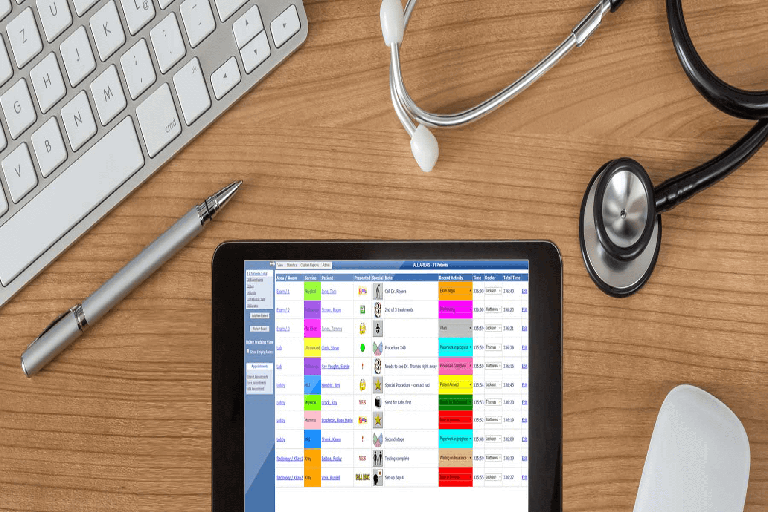
EHR can greatly reduce the space you need and the cost required to store patients' medical records. It also reduces the risk of those records being damaged by physical means, such as fires or something being spilled on them, or of them being lost. EHR allows patients and doctors to access the patient’s records. It also means those records can be accessed, edited and sent to another provider, such as a specialist, with far more ease than physical records. The patient’s whole medical history, from dental records to the results of routine blood tests, can also be consolidated in one central location. This means a patient records dermatologist can update the record after an appointment and the primary care provider can see the update right away. Keep in mind that while EHR reduces risk of damage and loss, it doesn’t do away with risk entirely. You will still need to invest in security and ways to prevent file corruption or loss. Investing in tech advancements and the education and resources necessary for people to understand how to use them is a vital action for anyone in the healthcare industry. These advancements can aid your hospital or practice in improving the quality of patient care and interactions.


