
































5 Ways Technology Can Help Your Healthcare Business
Across industries, including medicine, technology is driving transformation. Intelligent and automated technologies that are always evolving promise to improve care results and the patient experience.
Every new healthcare business has the potential to disrupt the industry. So, if you’ve decided to join the bandwagon, investing in the proper technology now will pay off in the long run.
Some of the advantages of investing in technology for your practice include improving service efficiency and quality, developing new therapies, reducing healthcare costs, easier communication with specialists, and making diagnoses and treatments faster and more accurate.
All of these benefits combine to build a successful, functional organization that prioritizes the patient. It improves your competitiveness and productivity, allowing you to make a visible difference in the world. Here are some of the latest tech your healthcare business might consider.
1. Health Trackers
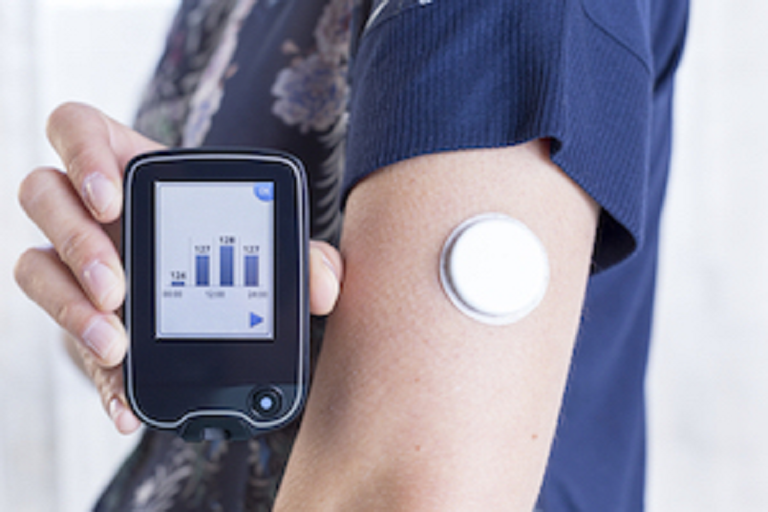
Modern medicine is mostly concerned with empowering individuals to manage their own health. Trackers, sensors, and wearables are all becoming increasingly important. They assist people in self-managing their symptoms and performing daily checkups.
Wearable technology may now track anything a doctor considers necessary and submit the data to the EHR. For instance, it collects information on activity, heartbeat, blood pressure, calorie consumption, sleep habits, and body composition.
In addition, UDI labeling systems can help track medical supplies and equipment, making the shipping processes more efficient and accurate.
2. Electronic Health Records
EHRs are electronic health records that help with record-keeping and paperwork management by eliminating the need for human labor. They include diagnoses and drugs prescribed in the past, vaccination dates, lab reports, allergies, insurance documentation, demographic information, and health information from personally worn devices.
The value of an EHR resides in the amount of data it collects and the simplicity with which it can be shared. It allows practices to communicate pertinent data in real-time, making clinical choices and collaboration easier.
3. Virtual Reality
Virtual reality has already found various applications in medical education, assisting in the development of future practitioner training. These solutions can be used to improve patient care.
VR can aid with labor and muscle pain after an injury. During hospital stays, doctors and nurses might use it in conjunction with painkillers. PTSD and other forms of stress can be treated with virtual reality. It works well alongside treatment and medicine for symptom management in more difficult situations.
VR can be used in physical therapy, which is a type of treatment that involves the use of Physical treatment that is gamified and can help to advance and speed up the rehabilitation process.
Currently, virtual reality applications in medicine are relatively uncommon and highly specialized. However, with recent improvements, it’s simple to see how this gaming technology could be used for various treatments.
4. ePrescriptions
ePrescriptions allow doctors to deliver prescriptions to pharmacies electronically. Some of the advantages of a digitalized system include lower error rates, reduced difficulty with interpreting, and more precise dosing and instructions.
They also contribute to more efficient pharmacy workflow and preventing drug misuse. Renewal and authorization completion are completed more quickly as well.
Furthermore, these can be linked to an EMR or EHR system. The tools can immediately alert the doctor to potential allergies or drug interactions and recommend generic alternatives.
5. 3D Printing
Physical blood veins, tissues, and even organs are no longer required for transplantation thanks to 3D printing. Although the world is still a long way from establishing a totally artificial beating heart, any progress made thus far is worthwhile.
As early as 2019, researchers began printing living skin with blood vessels. There have also been attempts to develop prosthetics to replace limbs that have been lost. The pharmaceutical industry is developing polypills to promote adherence to therapy plans.
These technologies are becoming more accessible to small businesses. Future practices may begin to include similar procedures in their regular service schedules.
Technology continues to advance at unprecedented rates. The potential benefits of new applied technology to the healthcare system are astronomical. If your practice hasn’t jumped on board with tech trends yet, consider doing so immediately.


