


















5 Ways to Treat Patients with Epilepsy
Epilepsy is a medical condition that causes seizures. These seizures are known to occur at any time and are often life-threatening when the patient is operating a machine or driving. Temporary episodes of epilepsy include convulsions and twitching. Most seizures occur as a result of the brain’s electrical impulses acting abnormally and sending erratic signals.
Patients who have epilepsy find it difficult to cook, drive or even perform some of their daily chores on their own since they don’t know when a seizure may strike. However, due to modern medicine, doctors have developed effective ways to manage the condition through medication and other treatment programs. Patients are often advised to learn their triggers and adjust their lifestyle to manage their condition better.
Here are some ways you can treat patients with epilepsy.
1. Responsive Neurostimulation (RNS)
When other forms of medication prove ineffective, then you should look at intracranial Neurostimulation as an option. This option involves locating the origin of the seizures. In most cases, this procedure involves recording a patient’s brain activity through electrodes on the scalp using EEG technology. There are different EEG devices, each designed to function at different levels. For the best results, the technician may have to use intracranial electrodes to locate the seizure focus.
Once the seizure focus is located, the neurosurgeon can then recommend surgery to remove the region. However, a patient can choose intracranial automatic Neurostimulation. This method involves inserting electrodes in different brain regions to detect an onset of a seizure triggering an electrical impulse in the seizure focus to stop the seizure.
2. Diet
In some cases, doctors have suggested a strict dietary plan to help manage epilepsy. One of the most common dietary options is the Ketogenic diet. A Ketogenic diet is a strict diet that limits the intake of carbohydrates while maximizing the consumption of proteins and fats. A low carbohydrate diet triggers ketosis, a metabolic pathway that is known to work against seizures. It’s best to work with a nutritionist, your primary healthcare giver, and a nurse for this treatment to work.
3. Approved Medications
There are several medications currently floating in the market. However, it’s best to go with FDA-approved medications. The drugs have undergone several scientific trials and have received a green light as the go-to drug for treating epilepsy. However, you need to keep in mind that not every seizure may necessarily mean you have epilepsy.
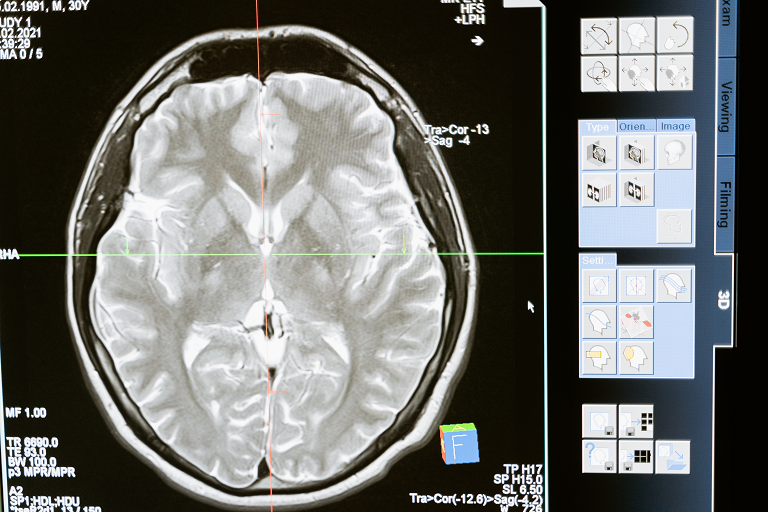
Before signing up for any medication, you need to undergo a series of tests which may involve a 30-minute brain wave study and imaging using an MRI or EEG device. Once the neurosurgeon understands your type of epilepsy, then they can recommend a specific type of medication.
4. Medical Marijuana
Legalizing marijuana for medical use has made it possible for doctors to use it as part of a treatment program for epileptic patients. Marijuana contains over 80 chemical compounds commonly found in CBD oil. In the last decade, doctors have resorted to using medical marijuana to treat and manage seizures in patients with epilepsy.
Unlike other marijuana products, CBD oils lack THC, a psychoactive compound known to induce high. The use of medical marijuana is still under rigorous studies, with scientists working on various clinical studies to show how Epidiolex, a compound found in CBD oil, helps with seizure management. According to research, medical marijuana has proven safe and effective against Lennox-Gastaut syndrome and Dravet Syndrome. However, there is a need for more research to see how this treatment option works for other types of epilepsy.
5. Immunotherapy
In some cases, a person’s immune system may attack the brain resulting in seizures. This type of epilepsy is referred to as autoimmune epilepsy. According to research, this type of epilepsy cannot be managed by common anti-seizure medications alone. In these cases, the patient produces antibodies that attack certain parts of the brain.
Recommended treatment options for this type of epilepsy include:
• Plasma exchange for removing blood of disease-causing antibodies.
• High-doses of steroids.
• Injecting different types of antibodies directly through the brain.
• Using medications used to suppress an overactive immune system.
There are several treatment options for patients with epilepsy. Before committing to one specific treatment, it’s best to consult with your primary healthcare giver on the benefits and limitations of each treatment. This is also a good way to make an informed decision both financially and health-wise.