


























5 Ways to Use a Pool for Recovery
Our bodies do heavy work for us daily, between our careers, workouts, family life and other activities. Sometimes we need to rest our bodies from the toll that our daily job takes on them. Sometimes we need to recover after an injury or intense training session. Sometimes we just have to find ways to relax and care for our bodies. No matter your reasoning for needing to let your body recover, aquatic therapy can be a great solution for recovery, rehabilitation and working out.
1. Low Impact
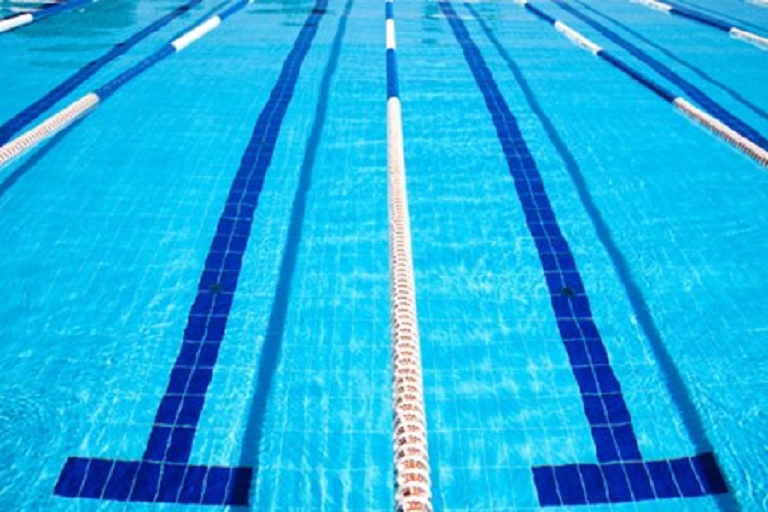
Choosing to exercise or stretch in the water is low impact on your body. Your body becomes buoyant in the water, which decreases the stress felt by your joints. The alleviation of impact on your joints allows you to move, stretch and work areas of your body that may be sore or recovering. Swimming pool designs Mobile can vary greatly, from designs promoting relaxation to those specifically designed for swimming laps. Wherever you can swim, know that moving in the water will allow you to do more while feeling less stress on your joints.
2. Resistance
Despite its buoyancy effects, water provides us with resistance. In water, you face up to 15 times more resistance than you do when moving in the air. Therefore, your joints experience low impact while you are exposed to resistance training in the water. The resistance against your body can also be used to aid in strength training, weight loss and cardiovascular conditioning.
3. Hydrostatic Pressure
Hydrostatic pressure is the weight of the water against your body, forming a support cushion against your body as it is underwater. This support provides stability as you recover, making your recovery training safer. You are less likely to be injured by losing your balance, falling or overexerting the strained areas when you are in the water as opposed to when you are on land.
4. Range of Motion
Therapy in the water enables you to extend your range of motion safely and without doing more harm to your body. The decreased impact felt by joints and muscles in the water creates a safe environment to stretch and to push the limits with your range of motion without it taking a huge toll on your body. The increased balance and stability observed in the water can make these moves more feasible and easier to complete. During aquatic therapy, it is essential to focus on doing the moves properly and deliberately to get the most out of the recovery session.
5. Conditioning
Water’s unique properties allow the body to condition and train safely while still recovering. Muscle fatigue is not seen as easily in water workouts as it is in the gym or outside. Range of motion, flexibility and conditioning drills can be completed safely in the water much quicker than they can outside of the water. The ability to do exercises that are helping to keep you in shape or get you in better shape while recovering from an injury can keep you on track for a successful comeback. This plays a huge role for athletes recovering from an injury but can be applied to anyone whose body needs a recovery period. It can be beneficial for weight loss or weight management as you are recovering from an injury because you have the capability to burn calories and work out without injuring yourself more.
Studies have shown that aquatic rehabilitation therapy can decrease recovery times in a low-impact environment. Movements that hurt on land may not be as painful in the water, which is why utilizing a pool for recovery is so beneficial. Water has many unique properties that contribute to its effectiveness in rehabilitation, recovery and training. Recovery in the water can be as simple as performing stretches or small movements while submerged in the water or as complex as completing workouts. The next time your body needs some recovery time, consider using aquatic therapy for low impact, resistance-filled movements to improve your range of motion, conditioning and speed up your recovery.


