


















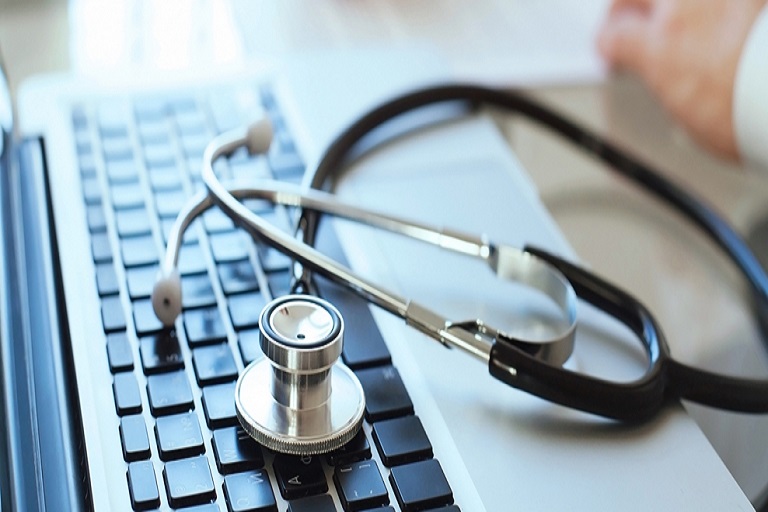






6 Benefits of Using Electronic Medical Records
Technology can improve nearly all aspects of the medical field, but one area you might not think about is patient records. Here are six benefits of using electronic medical records.
1. Streamlined Databases
Digitizing medical records means you should also switch to a streamlined database or program to store and work with them. Programs like DevOps tools allow healthcare providers and IT professionals to access and update records and code in one place, interact with each other regarding the work that needs to be done and keep a record of any changes that were made to the patient records or database.
2. Care Coordination
Many patients see more than just a primary care physician. There’s always the potential for a hospital visit if, for example, someone breaks a bone or develops appendicitis. Many people also have chronic or acute conditions that require specialized care, such as autoimmune diseases or cancers. Nearly everyone also sees specialists like optometrists. Therefore, electronic medical records can greatly increase the coordination of care between these various healthcare providers. Digitized records help keep all of a patient’s information in one place and well-organized and you can even set up the database to send an alert to each provider when the patient requires emergency care.
3. Efficiency
Electronic medical records can greatly increase efficiency both in terms of work and cost. Electronic recordkeeping encourages better communication between healthcare providers, patients and laboratories as well as improved tracking information and practices. It’s easier to quickly and legibly enter patient and treatment information on an electronic form than it is to write it. Additionally, much of the process of prescribing treatment, referring patients and providing receipts and instructions is automated. Because the records are no longer physical, the costs for storage, transcription, file pull and error correction are much lower. You can also implement alert functions to ensure time-sensitive information is entered or edited in a timely manner and avoid incurring penalty costs.
4. Better Patient Care
Not only does an electronic record system increase the coordination and efficiency of providing care, but it also helps improve the way you care for your patients while you’re seeing them. You’ll have all of the patient’s records at your fingertips, as well as a database of resources you can pull up for information related to his or her condition. These resources can help you make informed decisions regarding care more quickly while also being able to quickly check and make sure whatever treatment you want to prescribe won’t conflict with other treatment plans your patient may already be receiving.
5. Document Safety
Leveraging electronic recordkeeping can help you increase the safety of patient information and documents. While you’ll need to implement cybersecurity measures, you also won’t need to worry as much about the physical safety of documents, such as water or fire damage. You also won’t need to worry as much about the documents getting lost or sent to or seen by the wrong person if you share them digitally. The record should go straight to the inbox of the person you want to see it, rather than being sent via fax or the mail where it runs the risk of being seen by someone else or lost.
6. Convenience
Having all his or her medical records digitized means that a patient can access all of those records at the touch of a button. If a patient needs to access a specific file, he or she can simply log in to the account and view the record or request that it be sent to a specific provider. This system lessens the need for patients to go through multiple phone calls requesting various files to view or send to new doctors, while also ensuring fewer mistakes when copying or sending information. The digital format also means you can send documents instantly over the internet rather than having to utilize fax machines or the mail.
Overall, electronic medical records can offer improvements in coordination between healthcare providers and between them and their patients, the protection of sensitive information and convenience for patients.


