













































Events Calendar

Mon
Tue
Wed
Thu
Fri
Sat
Sun
M
T
W
T
F
S
S
1
2
6
7
9
10
11
12
13
14
18
19
20
21
23
27
28
30
12:00 AM - Hepatology 2021
31
1
2
3
4
Heart Care and Diseases 2021
2021-03-03    
All Day
Euro Heart Conference 2020 will join world-class professors, scientists, researchers, students, Perfusionists, cardiologists to discuss methodology for ailment remediation for heart diseases, Electrocardiography, Heart Failure, [...]
Gastroenterology and Digestive Disorders
2021-03-04 - 2021-03-05    
All Day
Gastroenterology Diseases is clearing a worldwide stage by drawing in 2500+ Gastroenterologists, Hepatologists, Surgeons going from Researchers, Academicians and Business experts, who are working in [...]
Environmental Toxicology and Ecological Risk Assessment
2021-03-04 - 2021-03-05    
All Day
Environmental Toxicology 2021 you can meet the world leading toxicologists, biochemists, pharmacologists, and also the industry giants who will provide you with the modern inventions [...]
Dermatology, Cosmetology and Plastic Surgery
2021-03-05 - 2021-03-06    
All Day
Market Analysis Speaking Opportunities Speaking Opportunities: We are constantly intrigued by hearing from professionals/practitioners who want to share their direct encounters and contextual investigations with [...]
World Dental Science and Oral Health Congress
2021-03-08 - 2021-03-09    
All Day
About The Webinar Conference Series LLC Ltd invites you to attend the 42nd World Dental Science and Oral Health Congress to be held in March 08-09, 2021 with the [...]
Euro Metabolomics & Systems Biology
2021-03-08 - 2021-03-09    
All Day
Euro Metabolomics 2021 will be a platform to investigate recent research and advancements that can be useful to the researchers. Metabolomics is a rapidly emerging [...]
International Summit on Industrial Engineering
2021-03-15 - 2021-03-16    
All Day
Industrial Engineering conference invites all the participants to attend International summit on Industrial Engineering during March15-16, 2021 Webinar. This has prompt keynotes, Oral talks, Poster [...]
Digital Health 2021
2021-03-15 - 2021-03-16    
All Day
The use of modern technologies and digital services is not only changing the way we communicate, they also offer us innovative ways for monitoring our [...]
Genetics and Molecular biology 2021
2021-03-15    
All Day
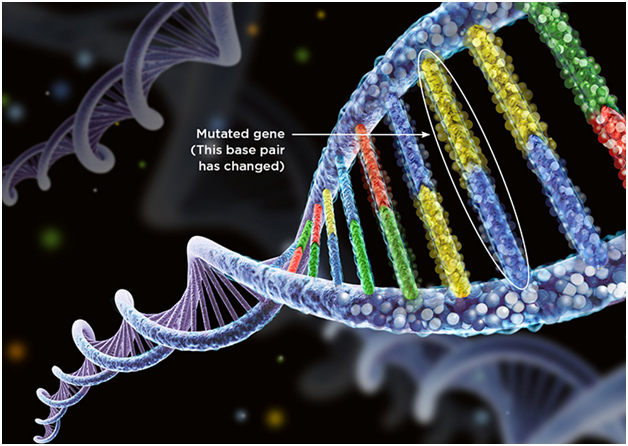
Human genetics is study of the inheritance of characteristics by children from parents. Inheritance in humans does not differ in any fundamental way from that [...]
Food Science and Food Safety
2021-03-16 - 2021-03-17    
All Day
Food Safety. It also provides the premier multidisciplinary forum for researchers, professors and educators to present and discuss the most recent innovations, trends, and concerns, [...]
Traditional and Alternative Medicine
2021-03-16 - 2021-03-17    
All Day
Traditional Medicine 2021 welcomes attendees, presenters, and exhibitors from all over the world. We are glad to invite you all to attend and register for [...]
Carbon and Advanced Energy Materials
2021-03-16 - 2021-03-17    
All Day
Materials Science 2021 was an enchanted achievement. We give incredible credits to the Organizing Committee and participants of Materials Science 2021 Conference. Numerous tributes from [...]
Advancements in Tuberculosis and Lung Diseases
2021-03-17 - 2021-03-18    
All Day
Tuberculosis is a communicable disease, caused by the infectious bacterium Mycobacterium tuberculosis. It affects the lungs and other parts of the body (brain, spine). People [...]
Herbal Medicine and Acupuncture 2021
2021-03-22 - 2021-03-23    
All Day
The event offers a best platform with its well organized scientific program to the audience which includes interactive panel discussions, keynote lectures, plenary talks and [...]
Hospital Management and Health Care
2021-03-22 - 2021-03-23    
All Day
Healthcare system refers to the totality of resource that a society distributes with in organization and health facilities delivery for the aim of upholding or [...]
Hematology and Infectious Diseases
2021-03-22 - 2021-03-23    
All Day
Hematology is the discipline concerned with the production, functions, bone marrow, and diseases which are related to blood, blood proteins. The main aim of this [...]
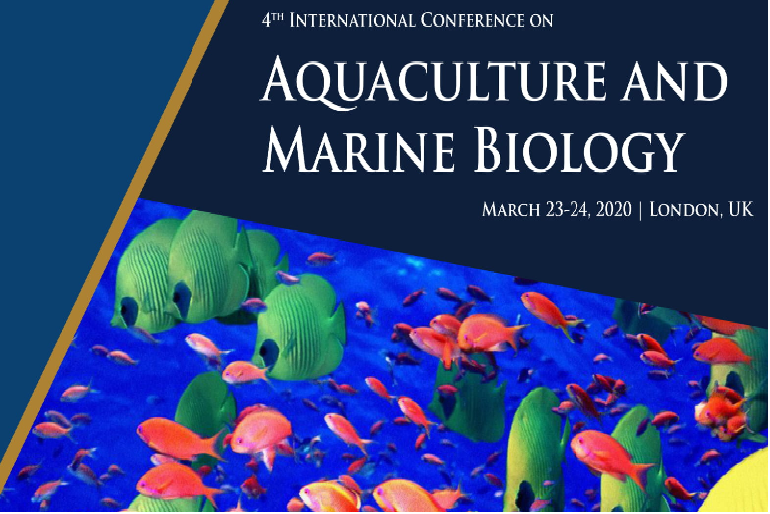
Aquaculture & Marine Biology
2021-03-24 - 2021-03-25    
All Day
The 15th International Conference on Aquaculture & Marine Biology is delighted to welcome the participants from everywhere the planet to attend the distinguished conference scheduled [...]
Artificial Intelligence & Robotics 2021
2021-03-24 - 2021-03-25    
All Day
The Conference Series LLC Ltd organizes conferences around the world on all computer science subjects including Robotics and its related fields. Here we are happy [...]
Tissue Engineering & Regenerative Medicine
2021-03-24 - 2021-03-25    
All Day
Tissue Engineering & Regenerative Medicine mainly focuses on Stem Cell Research and Tissue Engineering. Stem cell Research includes stem cell treatment for various disease and [...]
Nursing Research and Evidence Based Practice
2021-03-25 - 2021-03-26    
12:00 am
Global Nursing Practice 2021 has been circumspectly organized with various multi and interdisciplinary tracks to accomplish the middle objective of the gathering that is to [...]
Earth & Environmental Science 2021
2021-03-26 - 2021-03-27    
All Day
Earth Science 2021 is the integration of new technologies in the field of environmental science to help Environmental Professionals harness the full potential of their [...]
Earth & Environmental Science 2021
2021-03-26 - 2021-03-27    
All Day
Earth Science 2021 is the integration of new technologies in the field of environmental science to help Environmental Professionals harness the full potential of their [...]
Nanomaterials and Nanotechnology
2021-03-26 - 2021-03-27    
All Day
Nanomaterials are the elements which have at least one spatial measurement in the size range of 1 to 100 nanometre. Nanomaterials can be produced with [...]
Smart Materials and Nanotechnology
2021-03-29 - 2021-03-30    
All Day
Smart Material 2021 clears a stage to globalize the examination by introducing an exchange amongst ventures and scholarly associations and information exchange from research to [...]
World Nanotechnology Congress 2021
2021-03-29    
All Day
Nano Technology Congress 2021 provides you with a unique opportunity to meet up with peers from both academic circle and industries level belonging to Recent [...]
Nanomedicine and Nanomaterials 2021
2021-03-29    
All Day
NanoMed 2021 conference provides the best platform of networking and connectivity with scientist, YRF (Young Research Forum) & delegates who are active in the field [...]
Hepatology 2021
2021-03-30 - 2021-03-31    
All Day
Hepatology 2021 provides a great platform by gathering eminent professors, Researchers, Students and delegates to exchange new ideas. The conference will cover a wide range [...]
Events on 2021-03-03
Events on 2021-03-05
Events on 2021-03-17
Events on 2021-03-25
Events on 2021-03-30
Hepatology 2021
30 Mar 21
Articles

8 tips for healthy eating

Retail Store

1. Base your meals on higher fibre starchy carbohydrates
Starchy carbohydrates should make up just over a third of the food you eat. They include potatoes, bread, rice, pasta and cereals.

Choose higher fibre or wholegrain varieties, such as wholewheat pasta, brown rice or potatoes with their skins on.

They contain more fibre than white or refined starchy carbohydrates and can help you feel full for longer.

Try to include at least 1 starchy food with each main meal. Some people think starchy foods are fattening, but gram for gram the carbohydrate they contain provides fewer than half the calories of fat.

Keep an eye on the fats you add when you’re cooking or serving these types of foods because that’s what increases the calorie content – for example, oil on chips, butter on bread and creamy sauces on pasta.

2. Eat lots of fruit and veg
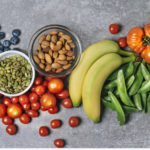
It’s recommended that you eat at least 5 portions of a variety of fruit and veg every day. They can be fresh, frozen, canned, dried or juiced.

Getting your 5 A Day is easier than it sounds. Why not chop a banana over your breakfast cereal, or swap your usual mid-morning snack for a piece of fresh fruit?

A portion of fresh, canned or frozen fruit and vegetables is 80g. A portion of dried fruit (which should be kept to mealtimes) is 30g.

A 150ml glass of fruit juice, vegetable juice or smoothie also counts as 1 portion, but limit the amount you have to no more than 1 glass a day as these drinks are sugary and can damage your teeth.

3. Eat more fish, including a portion of oily fish
Fish is a good source of protein and contains many vitamins and minerals.

Aim to eat at least 2 portions of fish a week, including at least 1 portion of oily fish.

Oily fish are high in omega-3 fats, which may help prevent heart disease.

Oily fish include:

salmon
trout
herring
sardines
pilchards
mackerel
Non-oily fish include:

haddock
plaice
coley
cod
tuna
skate
hake
You can choose from fresh, frozen and canned, but remember that canned and smoked fish can be high in salt.

Most people should be eating more fish, but there are recommended limits for some types of fish.
4. Cut down on saturated fat and sugar
Saturated fat
You need some fat in your diet, but it’s important to pay attention to the amount and type of fat you’re eating.

There are 2 main types of fat: saturated and unsaturated. Too much saturated fat can increase the amount of cholesterol in the blood, which increases your risk of developing heart disease.

On average, men should have no more than 30g of saturated fat a day. On average, women should have no more than 20g of saturated fat a day.

Children under the age of 11 should have less saturated fat than adults, but a low-fat diet is not suitable for children under 5.

Saturated fat is found in many foods, such as:

fatty cuts of meat
sausages
butter
hard cheese
cream
cakes
biscuits
lard
pies
Try to eat less saturated fat and choose foods that contain unsaturated fats instead, such as vegetable oils and spreads, oily fish and avocados.

For a healthier choice, use a small amount of vegetable or olive oil, or reduced-fat spread instead of butter, lard or ghee.

When you’re having meat, choose lean cuts and cut off any visible fat.

All types of fat are high in energy, so they should only be eaten in small amounts.

Sugar
Regularly consuming foods and drinks high in sugar increases your risk of obesity and tooth decay.

Sugary foods and drinks are often high in energy (measured in kilojoules or calories), and if consumed too often can contribute to weight gain. They can also cause tooth decay, especially if eaten between meals.

Free sugars are any sugars added to foods or drinks, or found naturally in honey, syrups and unsweetened fruit juices and smoothies.

This is the type of sugar you should be cutting down on, rather than the sugar found in fruit and milk.

Many packaged foods and drinks contain surprisingly high amounts of free sugars.

Free sugars are found in many foods, such as:

sugary fizzy drinks
sugary breakfast cereals
cakes
biscuits
pastries and puddings
sweets and chocolate
alcoholic drinks
Food labels can help. Use them to check how much sugar foods contain.

More than 22.5g of total sugars per 100g means the food is high in sugar, while 5g of total sugars or less per 100g means the food is low in sugar.
5. Eat less salt: no more than 6g a day for adults
Eating too much salt can raise your blood pressure. People with high blood pressure are more likely to develop heart disease or have a stroke.

Even if you do not add salt to your food, you may still be eating too much.

About three-quarters of the salt you eat is already in the food when you buy it, such as breakfast cereals, soups, breads and sauces.

Use food labels to help you cut down. More than 1.5g of salt per 100g means the food is high in salt.

Adults and children aged 11 and over should eat no more than 6g of salt (about a teaspoonful) a day. Younger children should have even less.

6. Get active and be a healthy weight
As well as eating healthily, regular exercise may help reduce your risk of getting serious health conditions. It’s also important for your overall health and wellbeing.
Being overweight or obese can lead to health conditions, such as type 2 diabetes, certain cancers, heart disease and stroke. Being underweight could also affect your health.

Most adults need to lose weight by eating fewer calories.

If you’re trying to lose weight, aim to eat less and be more active. Eating a healthy, balanced diet can help you maintain a healthy weight.
Lose weight with the NHS weight loss plan, a 12-week weight loss guide that combines advice on healthier eating and physical activity.

If you’re underweight, see underweight adults. If you’re worried about your weight, ask your GP or a dietitian for advice.

7. Do not get thirsty
You need to drink plenty of fluids to stop you getting dehydrated. The government recommends drinking 6 to 8 glasses every day. This is in addition to the fluid you get from the food you eat.

All non-alcoholic drinks count, but water, lower fat milk and lower sugar drinks, including tea and coffee, are healthier choices.

Try to avoid sugary soft and fizzy drinks, as they’re high in calories. They’re also bad for your teeth.

Even unsweetened fruit juice and smoothies are high in free sugar.

Your combined total of drinks from fruit juice, vegetable juice and smoothies should not be more than 150ml a day, which is a small glass.

Remember to drink more fluids during hot weather or while exercising.

8. Do not skip breakfast
Some people skip breakfast because they think it’ll help them lose weight.

But a healthy breakfast high in fibre and low in fat, sugar and salt can form part of a balanced diet, and can help you get the nutrients you need for good health.

A wholegrain lower sugar cereal with semi-skimmed milk and fruit sliced over the top is a tasty and healthier breakfast.


