





























It’s officially winter in Colorado, with the Front Range today experiencing the shortest daytime length of the year at 9 hours, 21 minutes and 19 seconds.
But if the solstice finds you feeling depressed, anxious and/or withdrawn, the dark winter days might be a real factor in your mental health. Seasonal Affective Disorder, a major depressive disorder with a seasonal pattern, affects millions, and experts say it could be exacerbated this year by the COVID-19 pandemic and the situational stressors it is causing in households across Colorado.
The confluence of environmental and pandemic factors is a perfect storm for increasing susceptibility to SAD as 2020 comes to a close, said Tricia Hudson-Matthew, Ed.D., associate professor of Human Services and director of Addiction Studies at Metropolitan State University of Denver. In her private therapy practice, she is seeing an influx of people exhibiting heightened characteristics of general and seasonal depressive disorders.
“With Seasonal Affective Disorder, we tend to feel depleted and aren’t sure why,” she said. “The lack of natural light leads to decreased levels of serotonin – that ‘happy’ chemical normally stabilized by sunlight.”
Anna Ropp, Ph.D., professor of Psychological Sciences at MSU Denver, knows the impact of SAD firsthand. Following a move from Arizona to Alaska for a previous teaching position, she noticed a stark decrease in energy and mood that correlated with the grueling darkness of the Last Frontier. Though Colorado’s winter will be decidedly sunnier than that in Alaska, Ropp said the pandemic could make it worse for those struggling with mental health.
“The challenge is that those susceptible to SAD are more likely to experience it during the winter – right when COVID-19 seems to be transmitted more intensely,” she said. “It’s important to note, though, that not all people experience symptoms severely and that there are many ways to cope with them, some healthy and some not.”
To help you find the right ways of coping with SAD, RED asked Hudson-Matthew, Ropp and Randi Smith, Ph.D., professor of Psychological Sciences at MSU Denver, for their tips and tricks to maintain mental health.
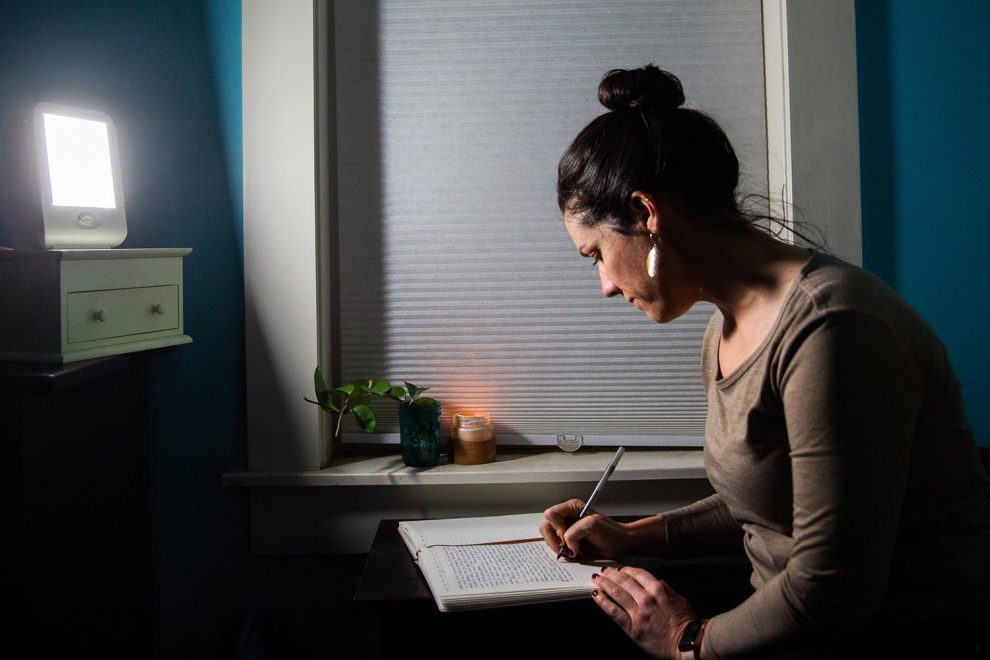
Phototherapy: Lightboxes are a common tool to combat seasonal depression, deceiving our brains into thinking we’re receiving more daylight than we are. Ropp recommends picking one that’s at least 10,000 luxe and spending a minimum of 15-20 minutes in the morning with one during the winter months.
Therapy: Working with a therapist or counselor can be an effective tool in mitigating any kind of depression and can be conducted remotely; Smith also noted that some patients with diagnosed SAD work with their practitioners to use prophylactic antidepressants such as Prozac or Zoloft to blunt the expected onset of symptoms.
Exercise: Movement is medicine and is helpful in addressing any number of physical and mental issues, Ropp said, while also noting that it’s easier said than done while experiencing a depressive episode. And if you’re not feeling up to squats and burpees, it’s important to …
Therapy: Working with a therapist or counselor can be an effective tool in mitigating any kind of depression and can be conducted remotely; Smith also noted that some patients with diagnosed SAD work with their practitioners to use prophylactic antidepressants such as Prozac or Zoloft to blunt the expected onset of symptoms.
Exercise: Movement is medicine and is helpful in addressing any number of physical and mental issues, Ropp said, while also noting that it’s easier said than done while experiencing a depressive episode. And if you’re not feeling up to squats and burpees, it’s important to …
Get outside: “Nature is amazing for our moods,” Hudson-Matthew said. “Even if it’s just finding a park and going there for a bit, it really does help us get out of feeling like the walls are closing in.”
Physical workspace considerations: Where you work matters, said Smith. With the shift to remote, many are using makeshift offices in basements and laundry rooms, often devoid of natural light, that may have started as stopgaps and evolved into the everyday.
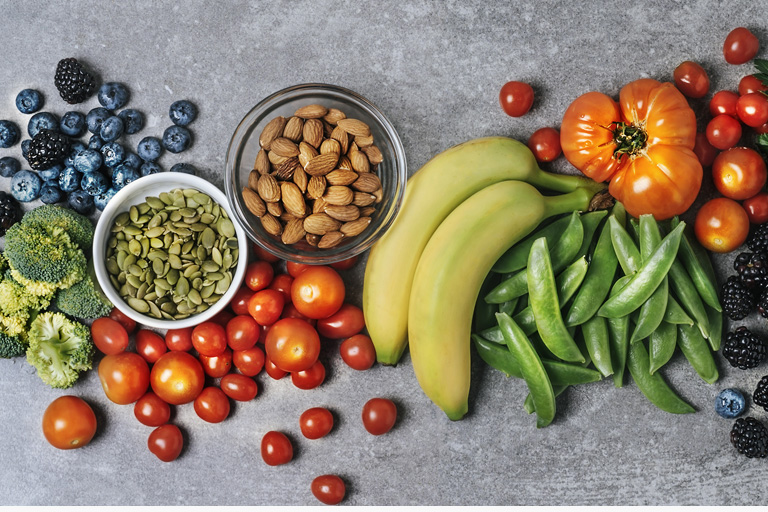
Food for thought: Research is emerging on the human microbiome and how it impacts depression. Early implications are that better nutrition may positively affect physical and psychological health, Ropp said.
Vitamin D: With potential implications for susceptibility to and severity of COVID-19, the nutrient is having a moment in the sun. Taking a supplement of vitamin D can also impact our mood, as a deficiency tends to slow us down, said Hudson-Matthew.
Stay connected: Wherever you can, however you can, it’s more important than ever to keep up contact with friends and family. And though Zoom holidays may not be the same, they’re better than the alternative of being isolated. “Regardless of whether someone has SAD or not, regular positive social interaction is beneficial for us,” Ropp said.


