

















































Events Calendar

Mon
Tue
Wed
Thu
Fri
Sat
Sun
M
T
W
T
F
S
S
1
2
3
4
5
6
7
9
11
12
13
14
16
17
19
20
21
27
28
1
2
3
4
5
6
7
Psychiatry and Psychological Disorders
2021-02-08 - 2021-02-09    
All Day
Mental health Summit 2021 is a meeting of Psychiatrist for emerging their perspective against mental health challenges and psychological disorders in upcoming future. Psychiatry is [...]
Nanotechnology and Materials Engineering
2021-02-10 - 2021-02-11    
All Day
Nanotechnology and Materials Engineering are forthcoming use in healthcare, electronics, cosmetics, and other areas. Nanomaterials are the elements with the finest measurement of size 10-9 [...]
Dementia, Alzheimers and Neurological Disorders
2021-02-10 - 2021-02-11    
All Day
Euro Dementia 2021 is a distinctive forum to assemble worldwide distinguished academics within the field of professionals, Psychology, academic scientists, professors to exchange their ideas [...]
Neurology and Neurosurgery 2021
2021-02-10 - 2021-02-11    
All Day
European Neurosurgery 2021 anticipates participants from all around the globe to experience thought provoking Keynote lectures, oral, video & poster presentations. This Neurology meeting will [...]
Biofuels and Bioenergy 2021
2021-02-15 - 2021-02-16    
All Day
Biofuels and Bioenergy biofuel is a fuel that is produced through contemporary biological processes, such as agriculture and anaerobic digestion, rather than a fuel produced [...]
Tropical Medicine and Infectious Diseases
2021-02-15 - 2021-02-16    
All Day
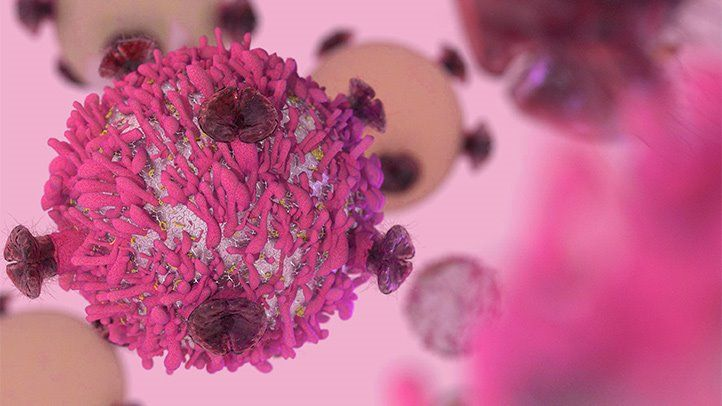
Tropical Disease Webinar committee members invite all the participants across the globe to take part in this conference covering the theme “Global Impact on infectious [...]
Infectious Diseases 2021
2021-02-15 - 2021-02-16    
All Day
Infection Congress 2021 is intended to honor prestigious award for talented Young Researchers, Scientists, Young Investigators, Post-Graduate Students, Post-Doctoral Fellows, Trainees in recognition of their [...]
Gastroenterology and Liver Diseases
2021-02-18 - 2021-02-19    
All Day
Gastroenterology and Liver Diseases Conference 2021 provides a chance for all the stakeholders to collect all the Researchers, principal investigators, experts and researchers working under [...]
World Kidney Congress 2021
2021-02-18    
All Day
Kidney Meet 2021 will be the best platform for exchanging new ideas and research. It’s a virtual event that will grab the attendee’s attention to [...]
Agriculture & Organic farming
2021-02-22 - 2021-02-23    
All Day
                                                  [...]
Aquaculture & Fisheries
2021-02-22 - 2021-02-23    
All Day
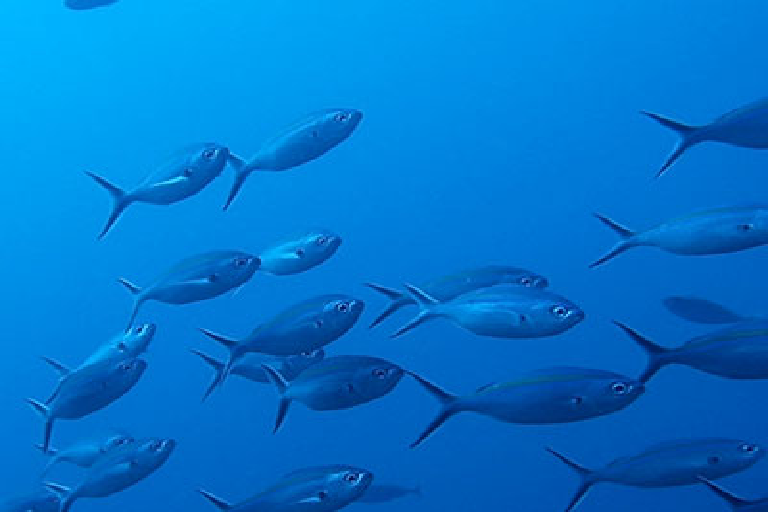
We take the pleasure to invite all the Scientist, researchers, students and delegates to Participate in the Webinar on 13th World Congress on Aquaculture & [...]
Nanoscience and Nanotechnology 2021
2021-02-22 - 2021-02-23    
All Day
Conference Series warmly invites all the participants across the globe to attend "5th Annual Meet on Nanoscience and Nanotechnology” dated on February 22-23, 2021 , [...]
Neurology, Psychiatric disorders and Mental health
2021-02-23 - 2021-02-24    
12:00 am
Neurology, Psychiatric disorders and Mental health Summit is an idiosyncratic discussion to bring the advanced approaches and also unite recognized scholastics, concerned with neurology, neuroscience, [...]
Food and Nutrition 2021
2021-02-24    
All Day
Nutri Food 2021 reunites the old and new faces in food research to scale-up many dedicated brains in research and the utilization of the works [...]
Psychiatry and Psychological Disorders
2021-02-24 - 2021-02-25    
All Day
Mental health Summit 2021 is a meeting of Psychiatrist for emerging their perspective against mental health challenges and psychological disorders in upcoming future. Psychiatry is [...]
International Conference on  Biochemistry and Glyco Science
2021-02-25 - 2021-02-26    
All Day
Our point is to urge researchers to spread their test and hypothetical outcomes in any case a lot of detail as could be ordinary. There [...]
Biomedical, Biopharma and Clinical Research
2021-02-25 - 2021-02-26    
All Day
Biomedical research 2021 provides a platform to enhance your knowledge and forecast future developments in biomedical, bio pharma and clinical research and strives to provide [...]
Parasitology & Infectious Diseases 2021
2021-02-25    
All Day
INFECTIOUS DISEASES CONGRESS 2021 on behalf of its Organizing Committee, assemble all the renowned Pathologists, Immunologists, Researchers, Cellular and Molecular Biologists, Immune therapists, Academicians, Biotechnologists, [...]
Tissue Science and Regenerative Medicine
2021-02-26 - 2021-02-27    
All Day
Tissue Science 2021 proudly invites contributors across the globe to attend “International Conference on Tissue Science and Regenerative Medicine” during February 26-27, 2021 (Webinar) which [...]
Infectious Diseases, Microbiology & Beneficial Microbes
2021-02-26 - 2021-02-27    
All Day
Infectious diseases are ultimately caused by microscopic organisms like bacteria, viruses, fungi or parasites where Microbiology is the investigation of these minute life forms. A [...]
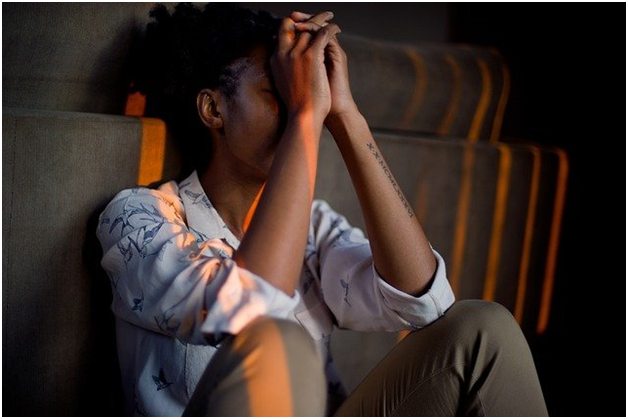
Stress Management 2021
2021-02-26    
All Day
Stress Management Meet 2021 will be a great platform for exchanging new ideas and research. It’s an online event which will grab the attendee’s attention [...]
Heart Care and Diseases 2021
2021-03-03    
All Day
Euro Heart Conference 2020 will join world-class professors, scientists, researchers, students, Perfusionists, cardiologists to discuss methodology for ailment remediation for heart diseases, Electrocardiography, Heart Failure, [...]
Gastroenterology and Digestive Disorders
2021-03-04 - 2021-03-05    
All Day
Gastroenterology Diseases is clearing a worldwide stage by drawing in 2500+ Gastroenterologists, Hepatologists, Surgeons going from Researchers, Academicians and Business experts, who are working in [...]
Environmental Toxicology and Ecological Risk Assessment
2021-03-04 - 2021-03-05    
All Day
Environmental Toxicology 2021 you can meet the world leading toxicologists, biochemists, pharmacologists, and also the industry giants who will provide you with the modern inventions [...]
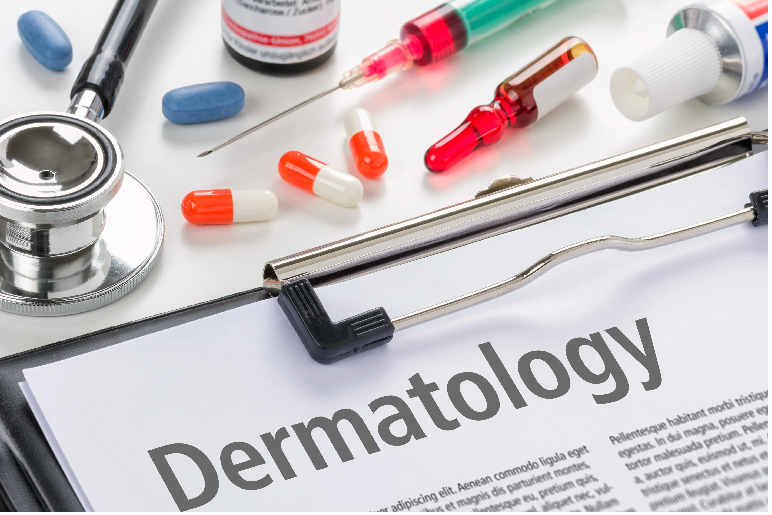
Dermatology, Cosmetology and Plastic Surgery
2021-03-05 - 2021-03-06    
All Day
Market Analysis Speaking Opportunities Speaking Opportunities: We are constantly intrigued by hearing from professionals/practitioners who want to share their direct encounters and contextual investigations with [...]
Events on 2021-02-08
Events on 2021-02-18
Events on 2021-02-24
Events on 2021-03-03
Events on 2021-03-05
Latest News

African armed conflict kills more children indirectly than in actual fighting

More children die from the indirect impact of armed conflicts in Africa than by weapons used in those conflicts, according to a new study led by Stanford University researchers.

The research is the first comprehensive analysis of the large and lingering effects of armed conflicts — civil wars, rebellions and interstate conflicts — on the health of noncombatants.

The numbers are sobering: between 3.1 million and 3.5 million infants born within 30 miles of armed conflict died from indirect consequences of battles from 1995 to 2015. That number jumps to 5 million deaths of children ages 5 and younger in those same conflict zones.

“The indirect effects of conflict on children are so much greater than the direct deaths from warfare,” said Eran Bendavid, MD, senior author of the study, which was published Aug. 30 in The Lancet.

The authors also found evidence of increased mortality risk from as far away as 60 miles from armed conflicts and for eight years after them. Being born in the same year as a nearby armed conflict is riskiest for children younger than 1, the authors found, but the lingering effects remain elevated over the years and, even after a conflict has ended, raise the risk of death for infants by over 30 percent.

In the entire continent, the authors wrote, the number of infant deaths related to armed conflicts from 1995 to 2015 was more than three times the number of direct deaths from these conflicts. Further, they found that among babies born within a 30-mile range of armed conflict, the risk of dying before age 1 was on average 7.7 percent higher than it was for babies born outside that range.

The authors recognize it is not surprising that African children are vulnerable to nearby armed conflict. But they show that this burden is substantially higher than previously indicated.

‘Surprisingly poorly understood’

“We wanted to understand the effects of war and conflict, and discovered that this was surprisingly poorly understood,” said Bendavid, associate professor of medicine and core faculty member at Stanford Health Policy. “The most authoritative source, the Global Burden of Disease, only counts the direct deaths from conflict, and those estimates suggest that conflicts are a minuscule cause of death.”

Paul Wise, MD, MPH, professor of pediatrics and a senior fellow at Stanford’s Freeman Spogli Institute for International Studies, has long argued that lack of health care, vaccines, food, water and shelter kills more civilians than bombs and bullets do.

This study has now put data behind the theory when it comes to children.

“We hope to redefine what conflict means for civilian populations by showing how enduring and how far-reaching the destructive effects of conflict can be on child health,” said Bendavid, an infectious disease physician.

“Lack of access to key health services or to adequate nutrition are the standard explanations for stubbornly high infant mortality rates in parts of Africa,” said Marshall Burke, PhD, an assistant professor of earth systems science and fellow at the Center on Food Security and the Environment. “But our data suggest that conflict can itself be a key driver of these outcomes, affecting health services and nutritional outcomes hundreds of kilometers away and for nearly a decade after the conflict event.”

The results suggest efforts to reduce conflict could lead to large health benefits for children, the authors said.

Gathering the data

The researchers matched data on 15,441 armed-conflict events with data on 1.99 million births and subsequent child survival across 35 African countries. The primary conflict data came from the Uppsala Conflict Data Program’s Georeferenced Event Dataset, which includes detailed data about the time, location, type and intensity of conflicts from 1946 to 2016.

The authors also used all available data from the Demographic and Health Surveys, funded by the U.S. Agency for International Development, conducted in 35 African countries from 1995 to 2015 as the primary sources on child mortality in their analysis.

The data, they said, show that the indirect toll of armed conflict among children is three to five times greater than the estimated number of direct casualties in conflict. The total burden is likely even higher, since the authors focused on children and not the effects on women and other vulnerable populations.

Zachary Wagner, PhD, a former postdoctoral scholar at Stanford and lead author of the study, said he knows few are surprised that conflict is bad for child health.

“However, this work shows that the relationship between conflict and child mortality is stronger than previously thought, and children in conflict zones remain at risk for many years after the conflict ends,” Wagner said.

“We hope our findings lead to enhanced efforts to reach children in conflict zones with humanitarian interventions,” he added. “But we need more research that studies the reasons for why children in conflict zones have worse outcomes in order to effectively intervene.”

Another Stanford co-author was Sam Heft-Neal, PhD, a research fellow at Center for Food Security and the Environment and Department of Earth Systems Science.

Researchers affiliated with Johns Hopkins University, the Hospital for Sick Children in Canada and Aga Khan University in Pakistan also contributed to the work.

The Doris Duke Charitable Foundation funded the study.

Stanford’s Department of Medicine also supported the research.

Source

